Pharmaceuticals: How to Find Safe meds and Get the Right Info
Looking for a drug and not sure where to start? You’re not alone. The internet is full of pharmacies, some legit and some shady. This guide breaks down what you need to know to buy medicines safely, understand what they do, and avoid common pitfalls.
First off, always check if the pharmacy is registered with your national health authority. In South Africa, for example, a SAHPRA‑approved site is a good sign. Look for a physical address, a working phone line, and clear privacy policies. If the site pushes a “no prescription needed” message for prescription‑only drugs, that’s a red flag.
Price comparison is useful, but never let a too‑good‑deal override safety. Cheap metformin, atenolol, or any other prescription drug can mean counterfeit pills. A quick search of the pharmacy’s name plus “reviews” will often reveal if others have received fake or expired meds.
Choosing a Trusted Online Pharmacy
When you click “buy,” you should see a clear checkout process, a request for a valid prescription upload, and transparent shipping costs. Reputable sites like 247meds.net or alphapharma.to list these steps openly. They also provide tracking numbers once your order ships, so you can follow the package.
Watch out for “payment‑only” options that skip the prescription step. Credit cards and reputable payment gateways add a layer of protection you won’t get with cash‑only methods. If a pharmacy asks for payment before you’ve uploaded a prescription, walk away.
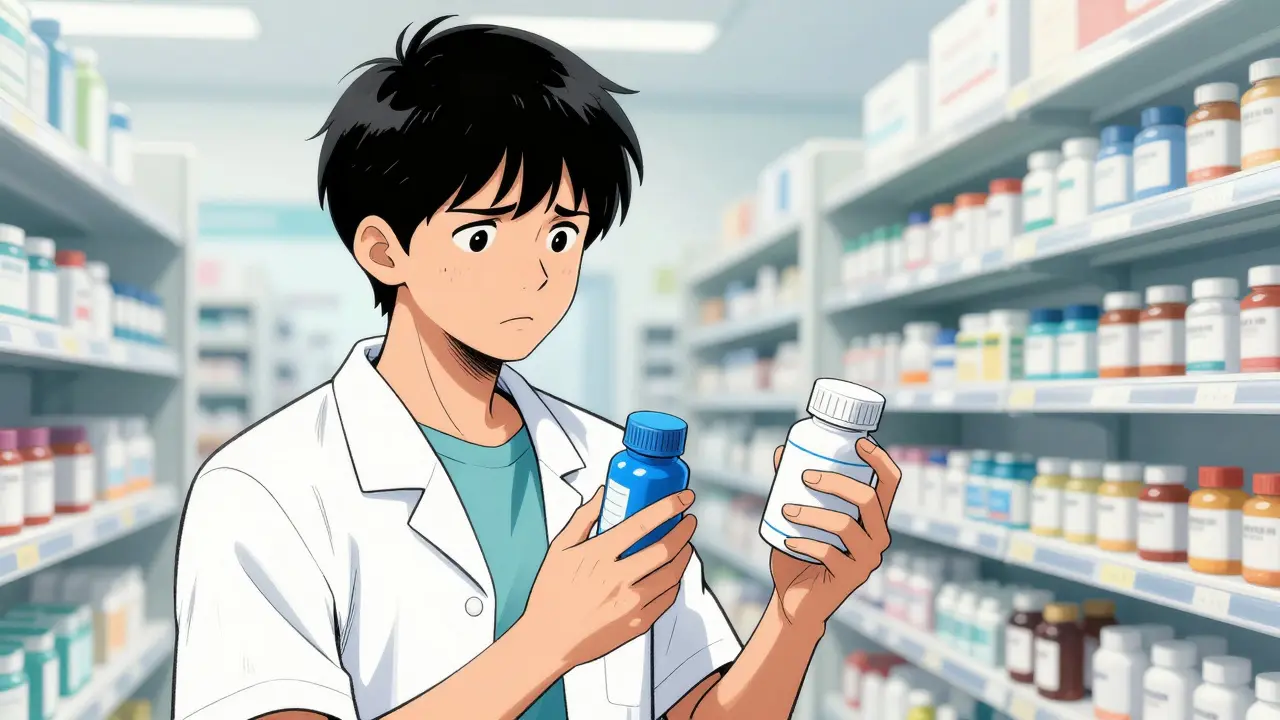
Before you finalize, double‑check the drug name, dosage, and formulation. For instance, metformin comes in immediate‑release (IR) and extended‑release (XR) versions. Buying the wrong form can affect how your body handles the medication.
Understanding Common Medicines and Their Use
Knowing what a drug does helps you talk to your doctor and spot mistakes. Take atenolol, sold as Tenormin – it’s a beta‑blocker used for high blood pressure and heart rhythm issues. Side effects can include fatigue or cold hands, but they’re usually manageable.
Another common drug is cefixime, an antibiotic that treats bacterial infections like throat or ear infections. It’s important to finish the full course, even if you feel better early, to prevent resistance.
For diabetes, glyburide and metformin are top choices. Metformin helps control blood sugar without causing low blood sugar episodes, while glyburide can lower sugar too aggressively if you’re not careful. Knowing the differences lets you pick the right therapy with your doctor’s guidance.
Allergy sufferers often reach for Allegra. It’s an antihistamine that works fast, but it can cause mild drowsiness in some people. If you need a non‑drowsy option at night, ask your pharmacist about alternatives.
Eye‑related meds like brimonidine tartrate are used for ocular rosacea and red eye issues. The drops should be applied exactly as directed; over‑use can lead to irritation.
When a medication feels unfamiliar, a quick look at its side‑effect profile can save you a lot of trouble. For example, clindamycin (Cleocin) can cause stomach upset or diarrhea, especially if you take it on an empty stomach.
Finally, always store meds as instructed. Some, like leuprolide, need refrigeration, while others are fine at room temperature. Improper storage can reduce effectiveness.
Bottom line: safe buying starts with a legit pharmacy, clear prescription, and knowing your drug. Use the tips above, compare a few trusted sites, and keep a list of your current meds handy. That way you’ll get the right product, at a fair price, and avoid the headache of counterfeit meds.
Got a specific drug in mind? Our site has detailed pages on metformin, atenolol, benazepril, and dozens more. Jump to the one you need, read the dosage guide, and then follow the safe‑purchase checklist we just covered. Happy, healthy shopping!
22 March 2026
·
8 Comments
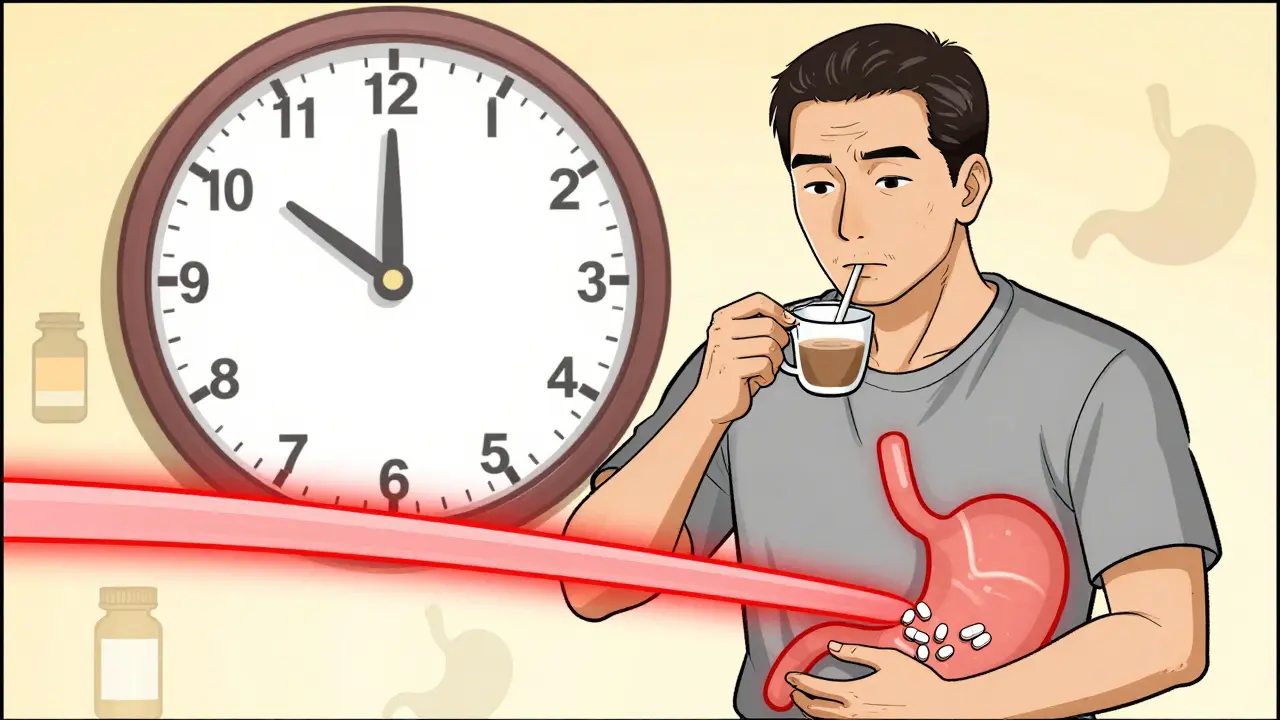
Timing your medications correctly can prevent dangerous drug interactions and improve how well your drugs work. Learn which combinations need spacing, how to set up a safe schedule, and what tools actually help-without changing your prescriptions.
Read more
13 March 2026
·
10 Comments
Double ingredients in medications cause thousands of preventable hospitalizations each year. Learn how mixing prescription and OTC drugs with the same active ingredient - like acetaminophen or ibuprofen - can lead to overdose, and how to protect yourself with simple, proven steps.
Read more
1 March 2026
·
12 Comments
Direct-acting antivirals cure over 95% of hepatitis C cases in just 8-12 weeks. Despite this, less than one in three diagnosed patients receive treatment due to systemic barriers. Learn the facts, the gaps, and what needs to change.
Read more
27 February 2026
·
11 Comments
Generic combinations are transforming the pharmaceutical market by combining drugs, devices, and delivery systems to improve patient outcomes while keeping costs low. With patent expirations accelerating, these super generics are becoming the key to profitability in generics.
Read more
22 February 2026
·
12 Comments
Generic drug recalls are often triggered by sterility failures, contamination, or labeling errors. Most are voluntary, and foreign manufacturing delays inspection, putting patients at risk. Learn what really causes recalls and how to stay safe.
Read more
21 February 2026
·
8 Comments
Patent Term Restoration (PTE) lets drug makers recover lost patent time due to FDA delays. It’s a legal tool that extends exclusivity by up to five years-but only if strict rules are followed. Here’s how it works, who uses it, and why it affects drug prices.
Read more