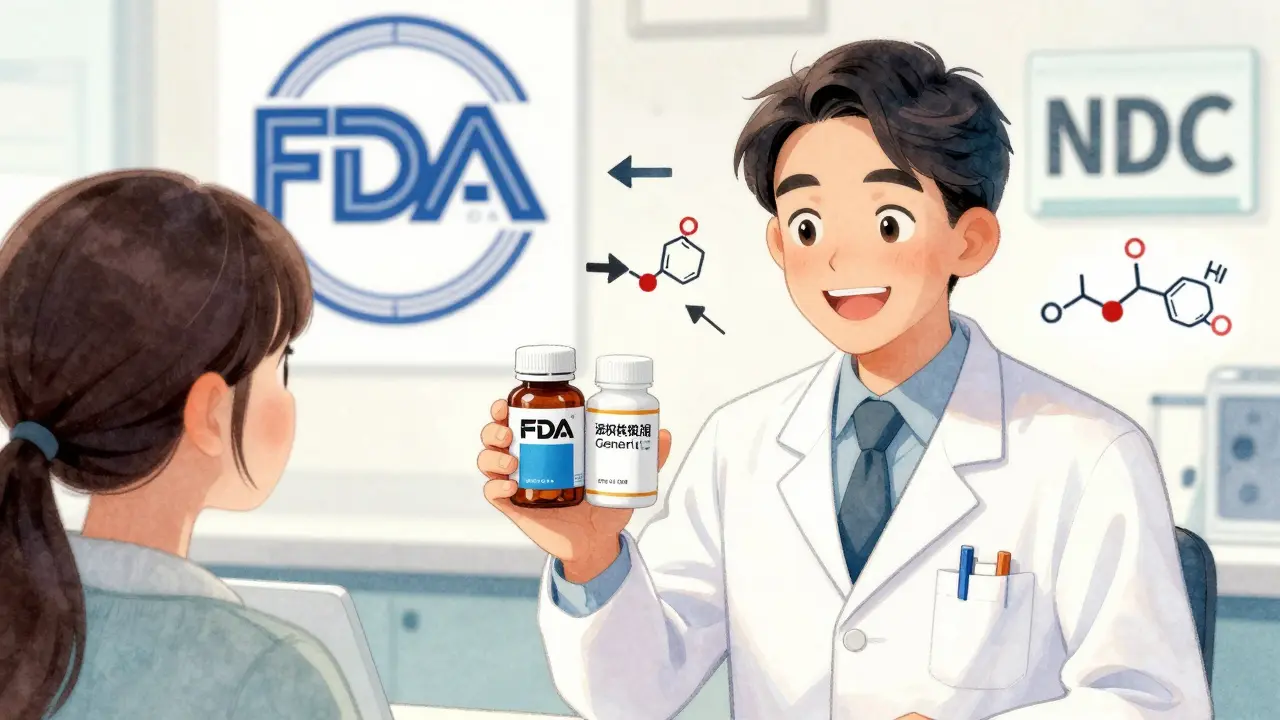
When a patient walks into the pharmacy with a prescription for a brand-name drug, the pharmacist’s job isn’t just to fill it. It’s to make sure the patient gets the right medicine at the right cost-without compromising safety. That’s where authorized generics come in. They’re not your typical generic. They’re the exact same pill, made by the same company, but sold without the brand name. And in many cases, they’re the best choice-especially when cost, safety, or consistency matter.
What Exactly Is an Authorized Generic?
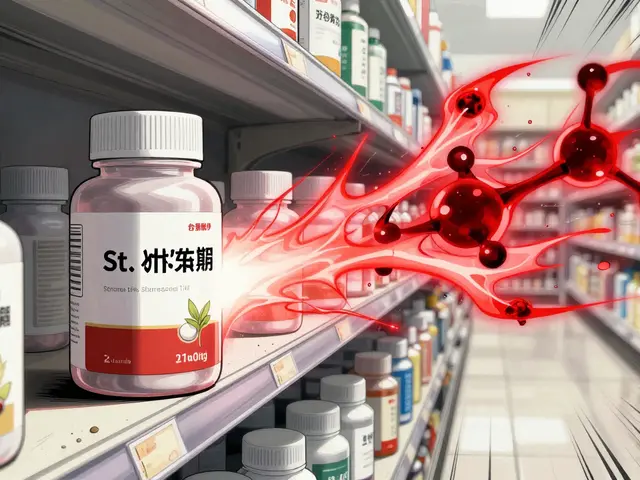
An authorized generic is the brand-name drug, made by the original manufacturer, but sold under a different label. It has the same active ingredients, the same inactive ingredients, the same shape, the same release mechanism-even the same factory line. The only difference? No brand name on the bottle. Think of it like a store-brand soda that’s made in the same plant as Coca-Cola. Same recipe. Same ingredients. Just no logo.
The FDA has been tracking these since 1999, under Section 505(t) of the Federal Food, Drug, and Cosmetic Act. As of September 2023, there were 257 authorized generics on the official list. That’s about 5% of all brand-name drugs with generic alternatives. Most are tablets or capsules-87% of them. You won’t find them in the Orange Book as separate entries because they’re not separate. They’re the brand drug, just repackaged.
When Should a Pharmacist Recommend an Authorized Generic?
Not every generic is the same. Regular generics must prove bioequivalence to the brand, but they can-and often do-use different fillers, binders, or coatings. That’s where authorized generics shine. Here are the three most important times to suggest them:
1. When the Patient Has Allergies or Dietary Restrictions
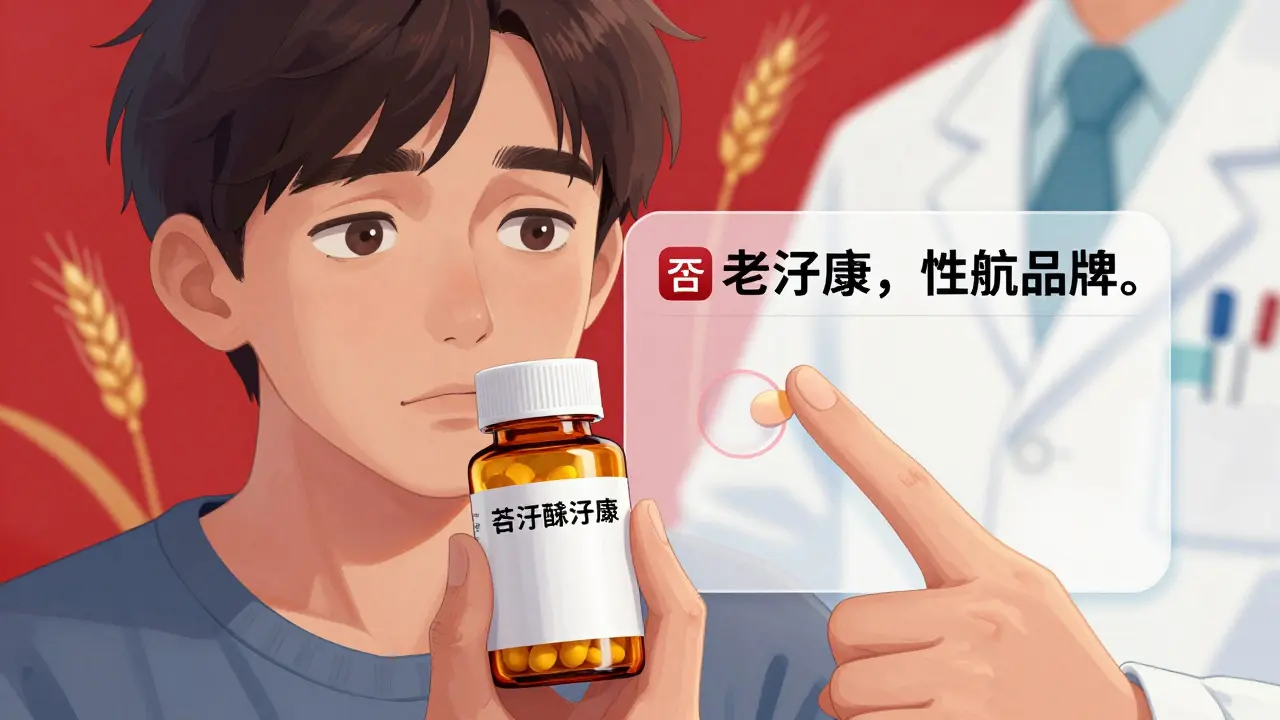
Imagine a patient with celiac disease. They’ve been on a brand-name medication for years, and it works fine. Then they switch to a regular generic, and suddenly they’re bloated, fatigued, and their symptoms return. Why? The generic used wheat starch as a filler. Not in the brand. Not in the authorized generic. But in that generic.
Authorized generics avoid this. Because they’re identical to the brand, they contain the same inactive ingredients. That means if the patient tolerated the brand, they’ll tolerate the authorized generic. This matters for people avoiding gluten, lactose, gelatin, or animal-derived products. A 2021 survey of pharmacists found that 12% of patients reported unexpected side effects after switching to a regular generic-many of which were linked to inactive ingredients.
2. For Narrow Therapeutic Index (NTI) Drugs
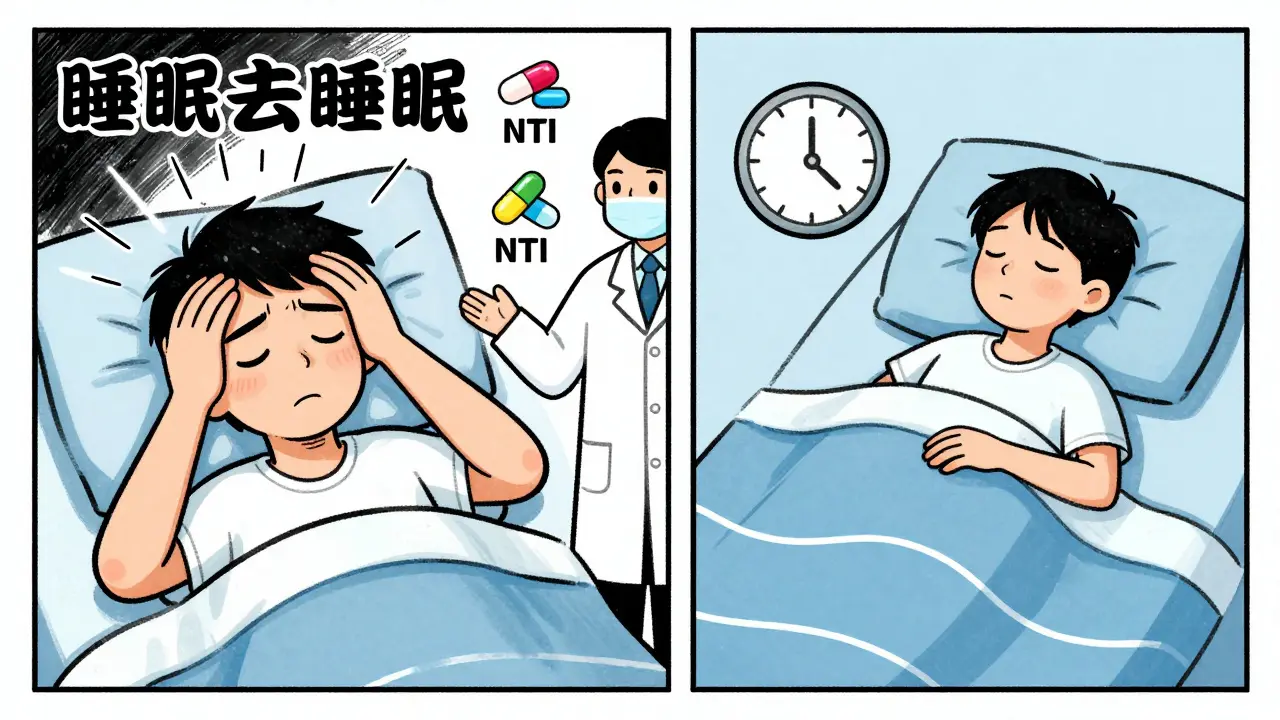
Some drugs don’t have room for error. Too little? The condition flares up. Too much? Toxicity kicks in. These are NTI drugs: warfarin, levothyroxine, phenytoin, lithium, and cyclosporine.
Studies show that switching from brand to regular generic for these drugs can cause measurable changes in blood levels-sometimes enough to trigger hospital visits. The FDA’s own data shows 3-5% of patients experience problems after switching. Authorized generics eliminate this risk. Since they’re chemically identical, there’s no variability in absorption or metabolism. For patients on these drugs, the authorized generic isn’t just a cost-saving option-it’s a safety net.
3. When Modified-Release Formulas Are Involved
Extended-release tablets, delayed-release capsules, and controlled-release patches are tricky. Bioequivalence testing for generics doesn’t always capture how well the drug releases over time. One study found that some generic versions of extended-release methylphenidate released medication too quickly, leading to side effects like insomnia or appetite loss.
Authorized generics don’t have this issue. They’re made with the same manufacturing process, same coating, same matrix. If the brand worked for the patient, the authorized version will too. This is especially important for chronic conditions like ADHD, hypertension, or Parkinson’s, where steady drug levels are critical.
How to Spot an Authorized Generic
It’s not always obvious. The pill might be blue instead of white. The bottle might say “Prasco” instead of “Pfizer.” That’s normal. Here’s how to confirm:
- Check the FDA’s quarterly list of authorized generics. It’s updated every three months and includes the brand name, manufacturer, and launch date.
- Look at the NDC number. If the labeler code matches the brand manufacturer (like Merck, Janssen, or Pfizer), it’s likely an authorized generic.
- Ask your wholesaler. Some authorized generics are only distributed through specific channels-like AmerisourceBergen or Cardinal Health-not all distributors carry them.
As of 2023, 75% of authorized generics launched after the first traditional generic entered the market. That means they often appear just when you’d expect a generic substitute. Don’t assume the first generic you see is the only option.
Insurance and Cost: What Patients Need to Know
Here’s the catch: even though authorized generics are chemically identical to the brand, many pharmacy benefit managers (PBMs) treat them like brand-name drugs in their formularies.
A 2022 study found that 63% of PBMs placed authorized generics in the brand-tier, meaning patients pay more out-of-pocket than they would for a regular generic-even though the medicine inside is the same. Meanwhile, the authorized generic typically costs 20-80% less than the brand. That’s far more than the 10-15% discount most brand-name patient assistance programs offer.
So when you recommend an authorized generic, always check the patient’s plan. Tell them: “This is the same pill as your brand, but cheaper. But your insurance might not treat it like a generic. Let’s check your copay.”
How to Talk to Patients
Patients get confused when their pill changes color or shape. A 2022 study found that 27% of patients stopped taking their medication after switching to a generic with a different appearance. But if they understood why it changed? Only 8% did.
Here’s what to say:
- “This medication has the same active ingredients as your brand, and even the same inactive ingredients. It’s made by the same company, just without the brand name.”
- “The color is different, but the medicine inside is identical. You won’t feel any difference in how it works.”
- “You’re saving 30-70% on this version. And because it’s identical, your doctor won’t need to change anything.”
For patients with chronic conditions, this conversation isn’t optional. It’s essential. A 2021 study showed that packaging changes alone caused 15% of non-adherence cases. Clear, calm, confident counseling prevents that.
Legal and Documentation Requirements
In 42 U.S. states, pharmacists can substitute an authorized generic without prescriber approval-unless the prescription says “do not substitute.” That’s the same rule as for regular generics.
But 18 states require you to notify the prescriber when making any substitution. Always check your state’s rules. Document the substitution clearly: use the “DA” modifier in billing systems, and keep records showing the authorized generic is therapeutically equivalent.
And remember: while federal law doesn’t require prescriber notification for authorized generics, some states do. When in doubt, call the prescriber. Better safe than sorry.
What’s Changing in 2026?
Authorized generics are growing. The number has increased by 18% per year since 2010. Consumer searches for “authorized generics” jumped 47% between 2021 and 2022. More patients are asking about them.
But challenges remain. PBMs still treat them as brand-name drugs in 63% of cases. That limits cost savings. And only 5% of brand drugs have authorized versions available-so there’s still a long way to go.
Looking ahead, professional groups like the American Pharmacists Association are updating their guidelines for 2024. Expect clearer recommendations on when to prioritize authorized generics over regular generics, especially for high-risk patients.
Final Takeaway
Authorized generics aren’t just cheaper versions of brand drugs. They’re the closest thing to the brand itself. For patients with allergies, NTI drugs, or complex formulations, they’re often the safest, most reliable choice. And when the math adds up-lower cost, same safety, same effectiveness-they’re the smartest recommendation a pharmacist can make.
Don’t default to the first generic on the shelf. Ask: Is there an authorized version? Is it better for this patient? Is it worth the cost savings? If the answer is yes-recommend it.
Are authorized generics the same as regular generics?
No. Regular generics must prove they’re bioequivalent to the brand, but they can have different inactive ingredients-like fillers, dyes, or coatings. Authorized generics are made by the brand-name manufacturer and contain the exact same active and inactive ingredients. They’re the same pill, just sold without the brand name.
Can I substitute an authorized generic without the prescriber’s permission?
In most states, yes-if the prescription doesn’t say “do not substitute.” But 18 states require pharmacists to notify the prescriber before making any generic substitution, including authorized ones. Always check your state’s pharmacy laws before switching.
Why is my insurance charging me more for an authorized generic than a regular generic?
Many pharmacy benefit managers (PBMs) classify authorized generics under the brand-name tier, not the generic tier. Even though the medicine is identical, they treat it like the brand for billing purposes. That means higher copays. Always check your patient’s out-of-pocket cost before recommending it.
Do authorized generics have the same side effects as the brand?
Yes. Because they contain the exact same ingredients, including inactive ones, side effects should be identical. This makes them ideal for patients who’ve had reactions to regular generics due to fillers or dyes-like gluten, lactose, or gelatin.
How do I find out if a brand drug has an authorized generic?
Check the FDA’s quarterly updated list of authorized generics on their website. You can also look up the National Drug Code (NDC). If the labeler code matches the brand manufacturer (like Pfizer or Merck), it’s an authorized generic. Your wholesaler can also confirm availability.

Wow, this is so important-seriously, I wish more pharmacists knew about this. I had a friend who went from brand-name levothyroxine to a generic, and she ended up in the ER because her TSH spiked. Turns out, the generic had a different filler, and she’s gluten-sensitive. When she switched to the authorized generic? Perfect. No issues. Same pill, just cheaper. Why isn’t this more widely promoted??
I’ve been recommending authorized generics for years, and honestly? Patients are shocked when they find out it’s the same exact pill. I had one guy ask me, ‘So you’re telling me this blue pill is the same as my white one?’ I showed him the NDC, and he just laughed. ‘I’ve been overpaying for years?’ Yeah, buddy. Welcome to pharmacy life. The real tragedy? Insurance still treats them like brand-name drugs. It’s ridiculous.
Look, I get that authorized generics sound great, but let’s not pretend this is some revolutionary idea. The FDA’s been tracking these since 1999. If they’re so great, why are they only 5% of available generics? Probably because they’re not actually better-just marketed better. And don’t get me started on the ‘same factory line’ claim. That’s not proof. It’s marketing fluff. If it were truly superior, the brand manufacturers wouldn’t wait years to release them.
As a practicing pharmacist with over two decades of experience, I must commend the thoroughness of this article. The distinction between authorized generics and conventional generics is not merely a technicality-it is a matter of clinical integrity. For patients on narrow therapeutic index agents, the variability in inactive ingredients can precipitate adverse events of significant consequence. The data cited herein is not anecdotal; it is evidence-based. I have personally documented cases wherein substitution to a non-authorized generic resulted in therapeutic failure. This is not speculation. It is practice.
This is why I love pharmacy. 🙌 Seriously, we’re not just dispensing pills-we’re preventing hospitalizations. I had a patient with Parkinson’s switch from brand to generic ER carbidopa, and she started having tremors at 3 a.m. because the generic released too fast. Switched her to the authorized version? Back to normal in 48 hours. No drama. No panic. Just a better pill. And guess what? Her copay dropped from $85 to $22. Win-win. 💯
Okay, but what if Big Pharma is just using authorized generics to keep us hooked? I mean, they make the brand, then they make the ‘authorized’ version… same factory, same everything… but now they’re charging less? That’s a trap. They want us to think we’re saving money, but really, they’re just rebranding the same product to control the market. And don’t get me started on PBMs… they’re the real villains. They’re the ones making you pay more for the exact same thing. It’s a scheme. A scheme, I tell you! 😤
Interesting read. I’ve never really thought about the inactive ingredients before. I just assumed all generics were the same. Guess I learned something today.
One of the most underappreciated tools in our arsenal. I always tell patients: ‘If you tolerated the brand, this version will too.’ It’s not just about cost-it’s about continuity. Especially for folks with chronic illness. Stability matters. And when you can give them stability AND savings? That’s pharmacy at its best. Let’s keep pushing this. More awareness. More access. More trust.
So… are you telling me that the same company that makes the brand also makes the ‘authorized’ one? And we’re supposed to trust that? I mean, if they’re so willing to slap a different label on it, what else are they hiding? And why do the PBMs still treat it like a brand? This feels… off. Like a loophole. A loophole that’s being exploited. And now we’re supposed to be grateful? 🤔
I’ve been a pharmacist for 18 years. I’ve seen this exact scenario play out a hundred times. Patient on brand. Switch to generic. Side effects. Panic. Come back. I check the label. Different filler. Switch to authorized generic. Done. No fuss. No drama. Just a better choice. It’s not magic. It’s just chemistry. And sometimes, that’s enough.