When you pick up a generic pill from the pharmacy, you expect it to work just like the brand-name version. But what happens when that pill is unsafe? In 2024, the FDA issued 347 drug recalls, and nearly 9 out of 10 of them involved generic medications. Most people never hear about these recalls until they’re already taking the drug-or until their pharmacist calls. So what actually triggers a drug recall? And why do some dangerous products stay on shelves for weeks while others are pulled within days?
What Makes a Drug Recalled?
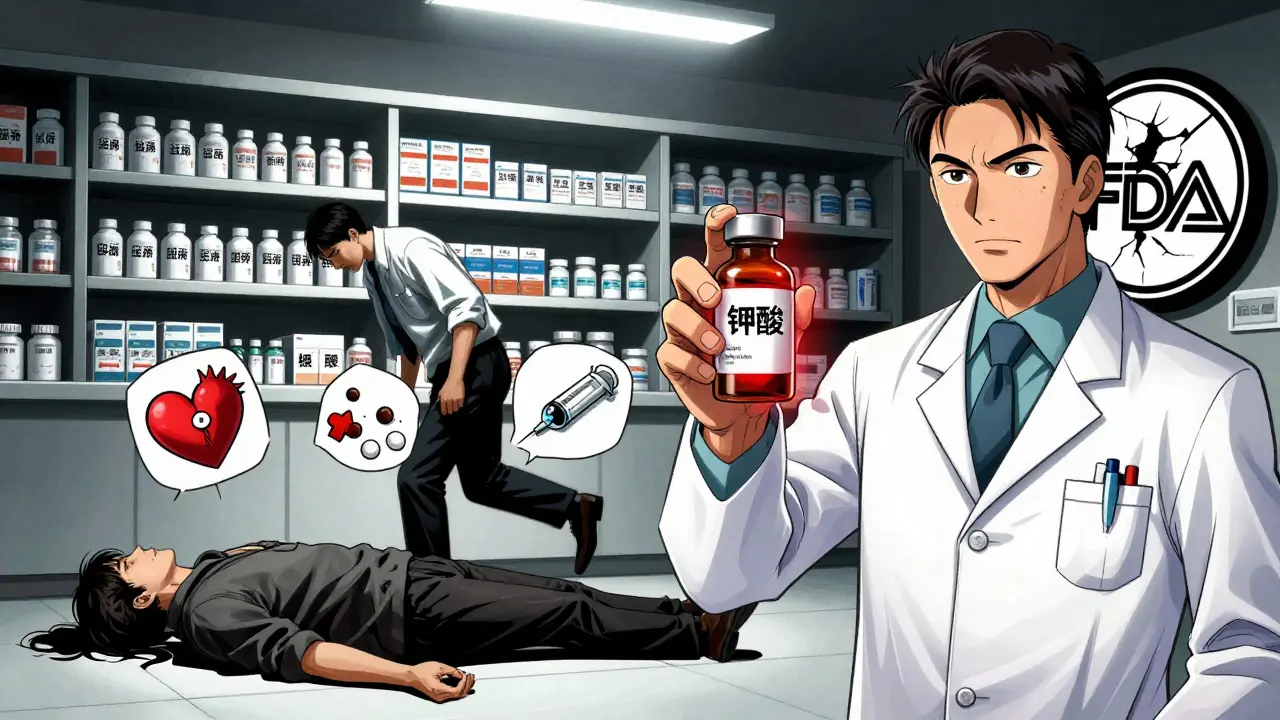
Not every mistake leads to a recall. The FDA doesn’t shut down a drug just because the label is slightly off. It classifies recalls into three levels based on how dangerous the product is. Class I is the worst: it means there’s a real chance you could die or suffer serious harm. Think of the July 2024 recall of potassium chloride injections. One vial was labeled as 10 mEq when it actually contained 20 mEq. Give that to a patient by accident, and you could stop their heart. That’s Class I. Class II recalls are more common. These involve problems that might make you sick, but you’d probably recover if you got treatment. In April 2025, Glenmark Pharmaceuticals recalled nearly 40 generic drugs because their Indian factory had broken cleanroom standards. Mold spores, dust particles, and unsterile water got into pills. Not everyone got sick-but enough did that the FDA stepped in. This is the kind of recall that happens when a factory’s air filters are clogged or workers don’t wash their hands before handling medicine. Class III? Those are the paperwork errors. A pill has the right ingredients, but the box says “take twice daily” when it should say “once daily.” Or the expiration date is smudged. No one’s going to die from this, but the FDA still requires it to be pulled because rules are rules.What Causes These Problems?
The biggest trigger for recalls isn’t one single mistake. It’s a chain of failures. Between 2012 and 2023, sterility issues caused 37% of all recalls. That means something in the manufacturing process let bacteria or fungi into the medicine. Think dirty air, contaminated water, or workers not wearing gloves. Another 12% of recalls were caused by visible particles in the pills-tiny bits of metal, glass, or mold. These aren’t rare. They show up in vials and capsules because the equipment wasn’t cleaned properly. Labeling errors make up 9% of recalls. It sounds minor, but imagine a patient with kidney disease who needs a low-dose diuretic. They get a pill labeled as 5 mg when it’s actually 20 mg. That’s not just a typo-it’s a medical emergency. Then there’s the active ingredient. If a generic drug doesn’t have the right amount of medicine in it, it won’t work. Too little? The condition doesn’t improve. Too much? You overdose. In 7% of recalls, labs found that the active pharmaceutical ingredient (API) was off by more than 10%. That’s beyond tolerance limits. It’s not a fluke. It’s a systemic failure in quality control.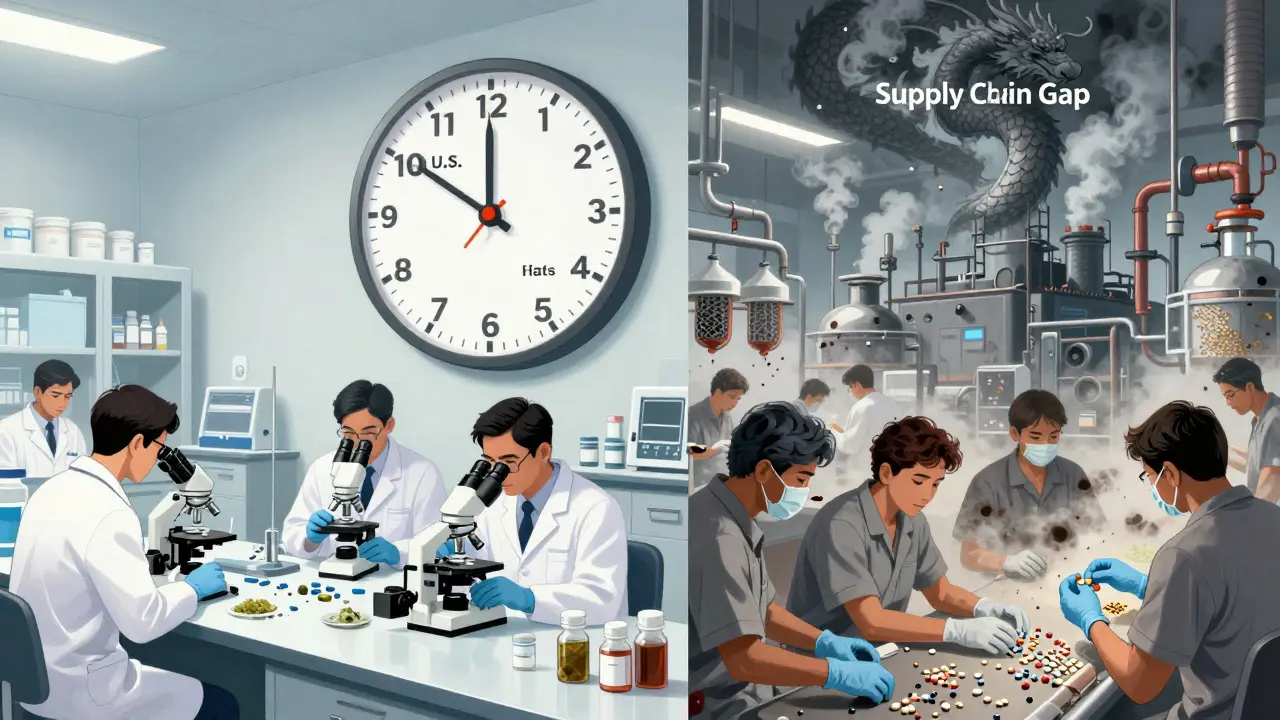
Why Do Recalls Take So Long?
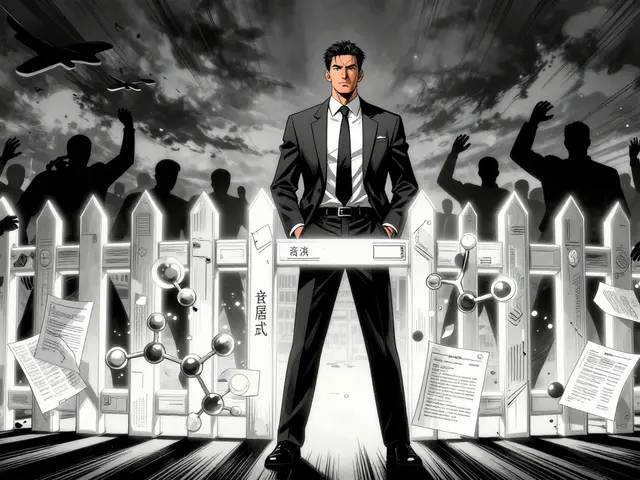
Here’s the ugly truth: most dangerous drugs stay on shelves longer than they should. The U.S. system relies on companies to report problems themselves. The FDA can’t force a recall. It can only ask. And many companies wait-sometimes for weeks-before acting. Why? Because recalls cost money. They mean destroyed inventory, lawsuits, and bad press. Compare that to the European Union. There, regulators can order a recall immediately. The average time from discovery to public alert? 18 days. In the U.S.? 42 days. That’s six weeks of people taking potentially harmful pills. The problem gets worse when the drug is made overseas. About 80% of the active ingredients in U.S. generic drugs come from India and China. But the FDA inspects U.S. factories every 1.8 years on average. Foreign facilities? Once every 4.6 years. Glenmark’s Indian plant hadn’t been inspected in over four years before the recall. That’s not an oversight. It’s a policy gap. And it’s not just inspections. The FDA’s budget only covers 17% of the foreign inspections it needs. That means thousands of factories operate without ever being checked. When problems do show up, they’re often found by journalists or whistleblowers-not regulators.Who Notices First? Patients or Pharmacists?
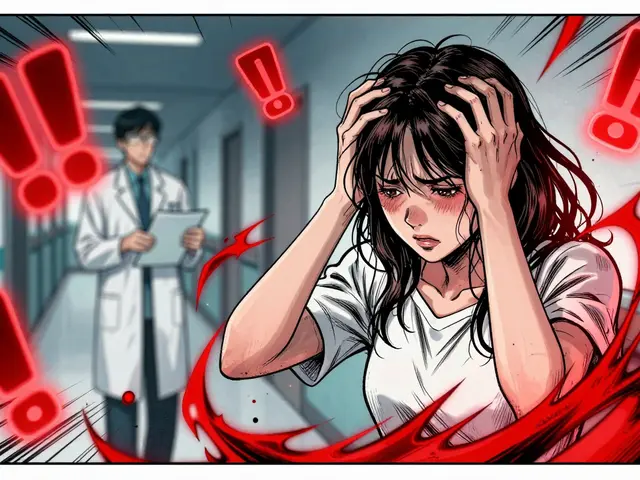
Surprisingly, it’s rarely the patient. In a 2025 FDA survey, only 12% of people who took a recalled drug got a direct notice. Most found out from their pharmacist, their doctor, or a news headline. That’s dangerous. When the potassium chloride recall happened, 78% of patients stopped taking their meds right away-even though the FDA said to call a doctor first. Some skipped their heart meds. Others stopped blood pressure pills. That’s just as risky as taking a bad drug. Pharmacists are on the front lines. One nurse on Reddit said she had to call 127 patients after the Glenmark recall. Only 38 had side effects. But 100% were scared. That’s the emotional toll. People don’t trust the system anymore. They’ve seen too many headlines: “Drug Made in India Contains Toxins,” “FDA Warns of Contaminated Pills.” Even healthcare workers struggle. Eighty-two percent of hospitals say they have trouble tracking which lots of a drug were distributed. One pharmacy might get a bad batch. Another gets the good one. Without a digital tracking system, it’s guesswork. And in emergency rooms, guesswork kills.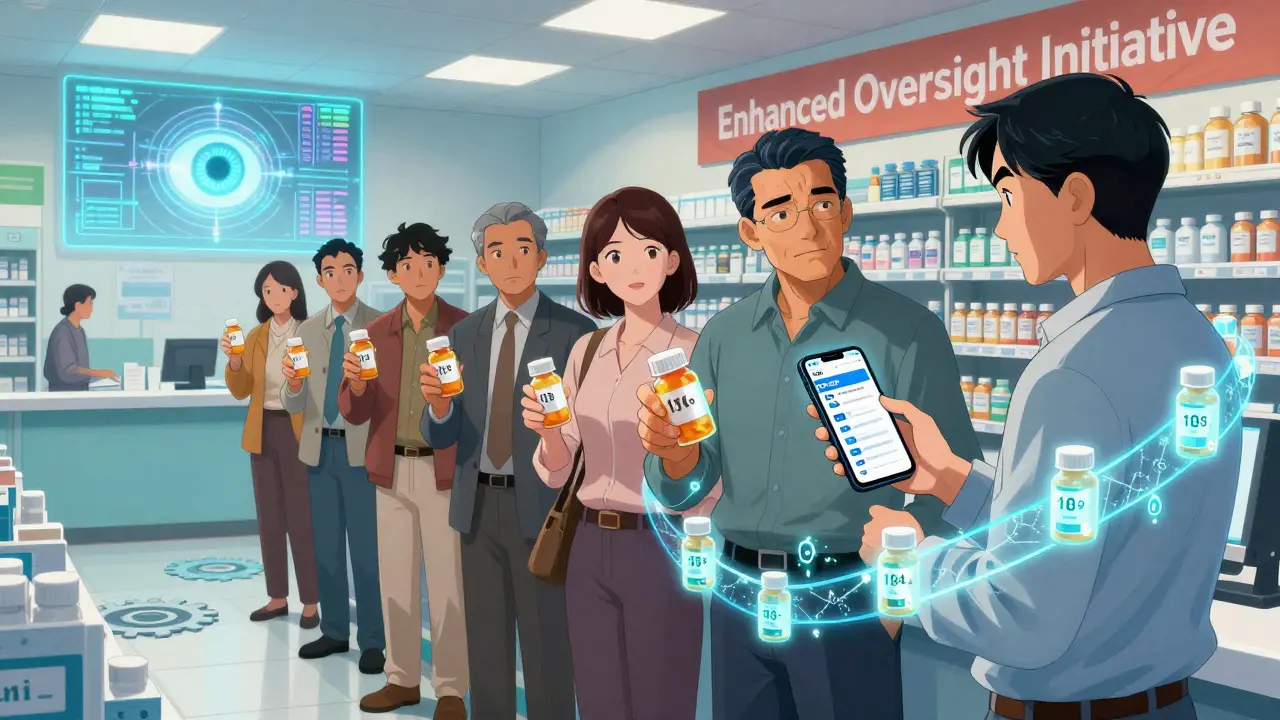
What’s Changing Now?
The system is starting to change. In April 2025, the FDA announced the Enhanced Oversight Initiative. High-risk foreign factories-those that caused 67% of all recalls-will now be inspected every year instead of once every 4.6 years. That’s a start. New laws are coming too. The Pharmaceutical Supply Chain Security Act, introduced in May 2025, will force foreign manufacturers to share real-time quality data with the FDA. No more waiting for inspections. If a factory’s air quality drops below standards, the FDA will know within hours. Technology is helping. Blockchain systems are now used by 18% of top generic drug makers-up from 3% in 2023. That means every pill can be tracked from the factory to your medicine cabinet. If a problem pops up, they can pull just the bad batches-not the whole product line. The FDA is also testing AI tools that predict quality failures before they happen. By analyzing data from past recalls, environmental sensors, and supplier histories, the system can flag factories likely to fail. A $47 million investment in 2025 is just the beginning.What Should You Do?
If you take generic drugs, here’s what you need to do:- Check the FDA’s Enforcement Reports every few months. It’s free. It’s searchable. And 63% of pharmacists use it.
- Keep the original packaging. Lot numbers matter. If a recall happens, you’ll need them.
- Don’t panic if your drug is recalled. Call your doctor or pharmacist before stopping. Some recalls are Class III-harmless. Others need immediate action.
- Ask your pharmacy if they use automated systems to block recalled drugs. If they don’t, push them.
Generic drugs save lives and billions of dollars. But they’re only as safe as the factories that make them. The system isn’t broken-it’s underfunded. And until inspections catch up to global supply chains, the next recall is just a matter of time.
What are the most common reasons for generic drug recalls?
The top three reasons are sterility failures (37% of recalls), particulate contamination (12%), and labeling errors (9%). Other common causes include incorrect active ingredient strength (7%) and violations of Current Good Manufacturing Practices (CGMP), especially at foreign facilities.
How does the FDA classify drug recalls?
The FDA uses three classes: Class I means a reasonable chance of serious harm or death (like overdosed potassium chloride); Class II means temporary or reversible health effects (like pills made in unclean rooms); Class III means unlikely to cause harm but violates regulations (like misprinted labels).
Why are recalls slower in the U.S. than in Europe?
In the U.S., recalls are voluntary-manufacturers decide when to act. The FDA can only request, not require. In the EU, regulators can order recalls immediately. The U.S. average is 42 days from detection to public notice; the EU averages 18 days.
Do I need to stop taking a recalled drug right away?
Not always. For Class I recalls, stop immediately and contact your doctor. For Class II or III, wait for official guidance. Many patients stop meds out of fear, which can be dangerous. Always consult your healthcare provider before changing your treatment.
How can I find out if my medication has been recalled?
Check the FDA’s searchable Enforcement Reports database. You can search by drug name, manufacturer, or lot number. Your pharmacist should also notify you if your medication is affected. Don’t rely on news alerts-official sources are more reliable.

Man, I’ve been taking generic lisinopril for years. Never thought twice about it until this post. Now I’m Googling my lot number at 2 a.m. Just goes to show how much we trust these little pills without knowing where they come from or who made them.
As a pharmacist, I can tell you: we get recall alerts via fax sometimes. Seriously. Fax. Meanwhile, the FDA’s website updates in real time, but most patients don’t even know it exists. We’re stuck playing whack-a-mole with bad batches while people panic because they saw a headline about ‘toxic Indian pills.’ The system’s broken, but it’s not the manufacturers alone-it’s the lack of transparency and public education.
I’ve been reading up on this for months now, and honestly, the real scandal isn’t that recalls happen-it’s that we treat them like isolated incidents. They’re symptoms. The root issue is that the U.S. outsourced drug manufacturing to countries with weaker oversight, then expected the FDA to police it all with a fraction of the budget they need. We cut corners on inspections, then blame the workers in India or China when things go wrong. But those workers aren’t the ones who decided to outsource. They’re just trying to feed their families while following orders from managers who’ve never set foot in a cleanroom. We need systemic reform, not just annual inspections. We need real-time data sharing, mandatory audits, and penalties that hurt corporate profits-not just PR statements. And until then, every time you swallow a generic pill, you’re taking a gamble with your health.
So let me get this straight-America lets China and India make our lifesaving drugs, but we can't even afford to send inspectors over there? What is this, 1890? We used to make our own pills. We had factories in Ohio, Pennsylvania. Now we’re begging for medicine from places where they don't even have running water in some labs. This ain't globalization-it's national suicide. Someone needs to bring the factories back. Or at least make them pay for inspections. Not just ‘we’ll check in 4 years’ nonsense.
Just had to call a patient today who’d been taking a recalled blood pressure med for 3 weeks. She was terrified. Told her to call her doc-she said, ‘I don’t even know if I’m still alive.’ Honestly? That’s the real cost here. Not the money lost. Not the lawsuits. It’s the trust. People used to believe in science. Now they think their meds are Russian roulette. We need better communication. Not just ‘check the FDA site.’ We need clear, simple alerts. Texts. Emails. Something that doesn’t require a PhD to understand.
From India: I work in pharma logistics here. Let me say this-most factories follow standards. The problem isn’t laziness. It’s pressure. Companies are forced to cut costs to compete with cheap generics. So they skip filter changes, delay maintenance, ignore humidity logs. The inspectors? They’re underpaid, overworked, and often bribed. It’s not just a U.S. problem-it’s a global supply chain failure. We need traceability from raw materials to bottle. Blockchain helps. But it won’t fix greed.
My grandma takes 7 different generics. She doesn’t even know their names. Just knows the color and shape. I showed her the FDA site. She said, ‘Why should I care? The doctor gave it to me.’ That’s the real problem. We treat medicine like a vending machine. Pop in your insurance, get your pill. No questions asked. But pills aren’t candy. They’re chemistry. And chemistry doesn’t forgive mistakes.
Oh my god. I’ve been taking that Glenmark metformin. I’m going to the ER right now. Wait-no, I’m not. I’m just gonna stop. Because I don’t trust ANY of this anymore. They say ‘Class II’ like it’s a warning label on a cereal box. What if I have kidney issues? What if I’m 72? What if I’m not ‘probably’ going to recover? Why is this even legal? Who’s protecting us? Not the FDA. Not the pharmacies. Not the doctors. Just… luck.
There’s a philosophical paradox here: we demand affordable healthcare, yet we refuse to fund the infrastructure that makes it safe. We want generics because they’re cheaper, but we don’t want to pay for oversight. We want efficiency, but we don’t want accountability. We want innovation, but we don’t want regulation. This isn’t a failure of policy-it’s a failure of values. If we truly value human life, then we must invest in the systems that protect it. Not just when there’s a scandal. Not just when a journalist exposes it. But always. Because health is not a commodity. It’s a right. And rights require guardians.
As someone who grew up in a village where medicine was a luxury, I’m torn. On one hand, I’m grateful generics exist-they saved my brother’s life. On the other, I’ve seen factories here where the floor is dirt, and the workers use the same gloves for 3 days straight. It’s not malice. It’s poverty. The answer isn’t to shut them down. It’s to lift them up. Pay inspectors more. Train workers. Reward quality, not speed. Make the FDA a partner, not a cop. Because if we don’t fix this from the inside, we’ll keep having the same headlines. Forever.
Oh wow. A 42-day wait for a recall? That’s like waiting for a USPS package from 2008. Meanwhile, the FDA’s budget is bigger than my ex’s Netflix subscription. Let’s just make all drugs from Walmart and call it a day. At least they have a return policy.
It is important to note that the FDA’s recall classification system is codified under 21 CFR Part 7. Class I, II, and III designations are based on the probability of adverse health consequences. While the data presented in the article is largely accurate, the implication that U.S. regulatory practices are uniquely deficient is misleading. Many foreign regulatory agencies lack the legal authority to mandate recalls entirely. The U.S. system, while imperfect, remains one of the most transparent and data-driven in the world.