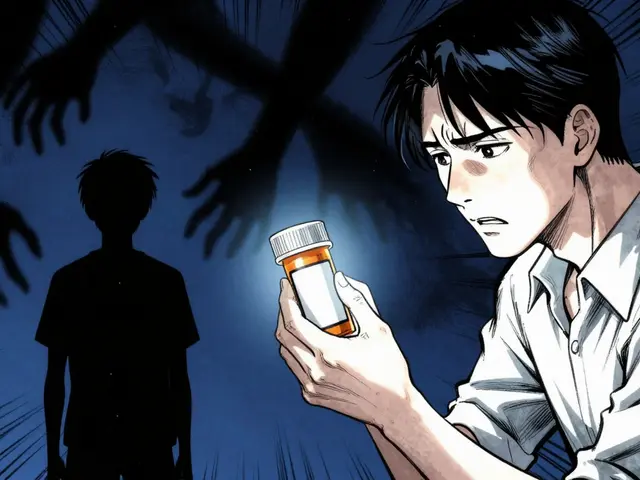
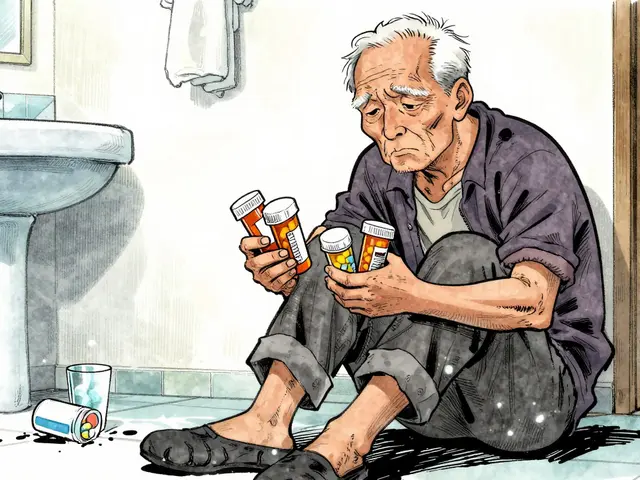
When you’re on medication, side effects can feel like a second illness. Nausea from your diabetes drug. Fatigue from your blood pressure pill. Weight gain after starting an antidepressant. These aren’t just annoyances-they can make you skip doses, quit treatment, or end up back in the hospital. But here’s the truth most doctors don’t say out loud: many of these side effects aren’t caused by the drug alone. They’re triggered by how you live.
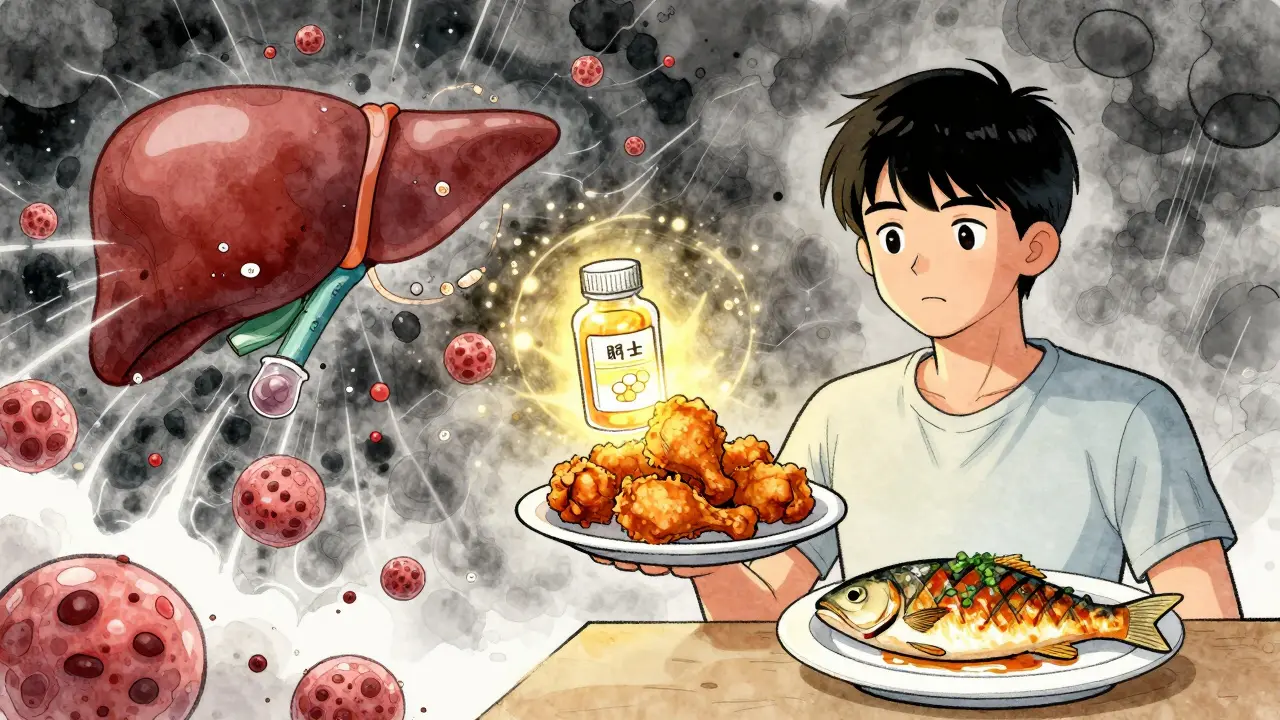
Research from the American Medical Association and the Journal of the American College of Cardiology shows that up to 22% of people who think their medication isn’t working are actually dealing with lifestyle-drug clashes. A 30-year-old on statins who eats fried chicken every night isn’t just fighting high cholesterol-he’s fighting a chemical war inside his liver. A 60-year-old on warfarin who snacks on kale salads every day isn’t just eating healthy-they’re risking a stroke. The fix isn’t always more pills. Sometimes, it’s just changing when, how, and what you eat. Moving more. Sleeping better. Managing stress.
How Food Changes How Your Medication Works
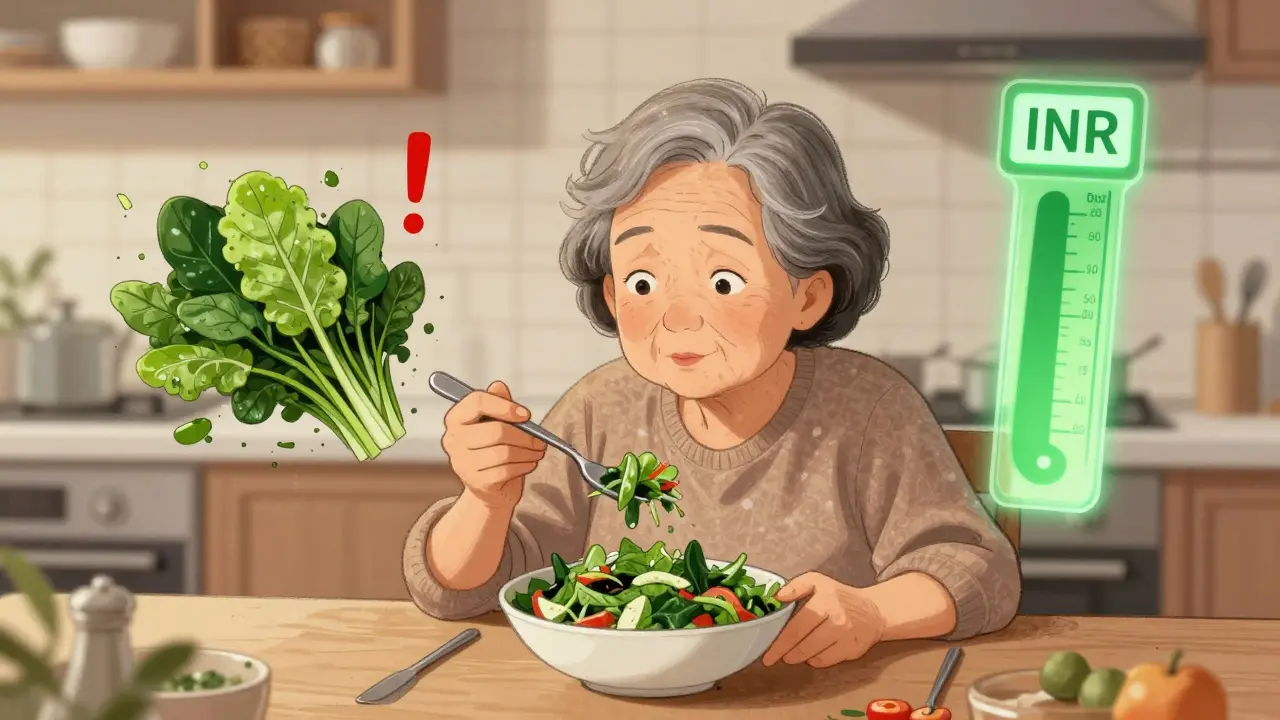
Your gut doesn’t just digest food. It changes how drugs move through your body. Grapefruit juice is the most famous example. One glass a day can make your statin-say, simvastatin-work 50% harder. That sounds good until you realize it can cause severe muscle damage. The same goes for warfarin. If you suddenly start eating a lot of spinach, broccoli, or Brussels sprouts, your blood thinner becomes less effective. Your INR drops. You’re at risk of a clot. But if you stop eating those foods cold turkey, your INR spikes. The answer isn’t to avoid greens. It’s to eat them consistently. Keep your vitamin K intake steady-around 150 micrograms daily. That means one big salad, not three one day and none the next.
For diabetes medications like metformin, the problem isn’t sugar alone-it’s timing. Eating 80 grams of carbs in one meal triggers a massive spike in blood sugar. Your body responds with insulin, but metformin can’t keep up. The result? Bloating, diarrhea, nausea. A 2022 study in Diabetes Care found that spreading carbs evenly-no more than 30 grams per meal-cut those side effects by 37%. Same with GLP-1 drugs like semaglutide. The nausea isn’t from the drug. It’s from eating too fast or too much. Slow down. Chew each bite 20 times. Eat meals under 500 calories. Don’t eat within three hours of bedtime. That simple shift cut nausea in half for people starting the drug.
Movement: The Secret Dose Adjuster
Exercise isn’t just good for your heart. It’s a natural drug modulator. If you’re on blood pressure meds, 150 minutes of brisk walking a week-just 30 minutes, five days-lowers your systolic pressure by 5 to 8 points. That’s like taking off one pill. A 2020 American Heart Association review found that 30-40% of patients on these meds could safely reduce their dose with consistent activity. Same for beta-blockers. Fatigue? Try starting with two 10-minute walks a day. After eight weeks, energy levels jumped 41%. No new prescription. Just movement.
Statins cause muscle pain in nearly one-third of users. But adding resistance training-two sets of 10 reps at 60% of your max weight, twice a week-dropped that pain from 29% to 11%, according to a 2021 study. Why? Muscle activity boosts natural CoQ10 production. That’s why supplementing with 200mg of CoQ10 daily, combined with lifting, works even better. For people on antipsychotics, weight gain is common. The National Institute of Mental Health found that 45 minutes of daily moderate-vigorous exercise (heart rate 120-140 bpm) cut annual weight gain from 7.8kg to just 2.1kg. Add protein-1.6 grams per kilogram of body weight-and you’re not just losing fat. You’re keeping muscle.
Sleep: The Hidden Metabolism Switch
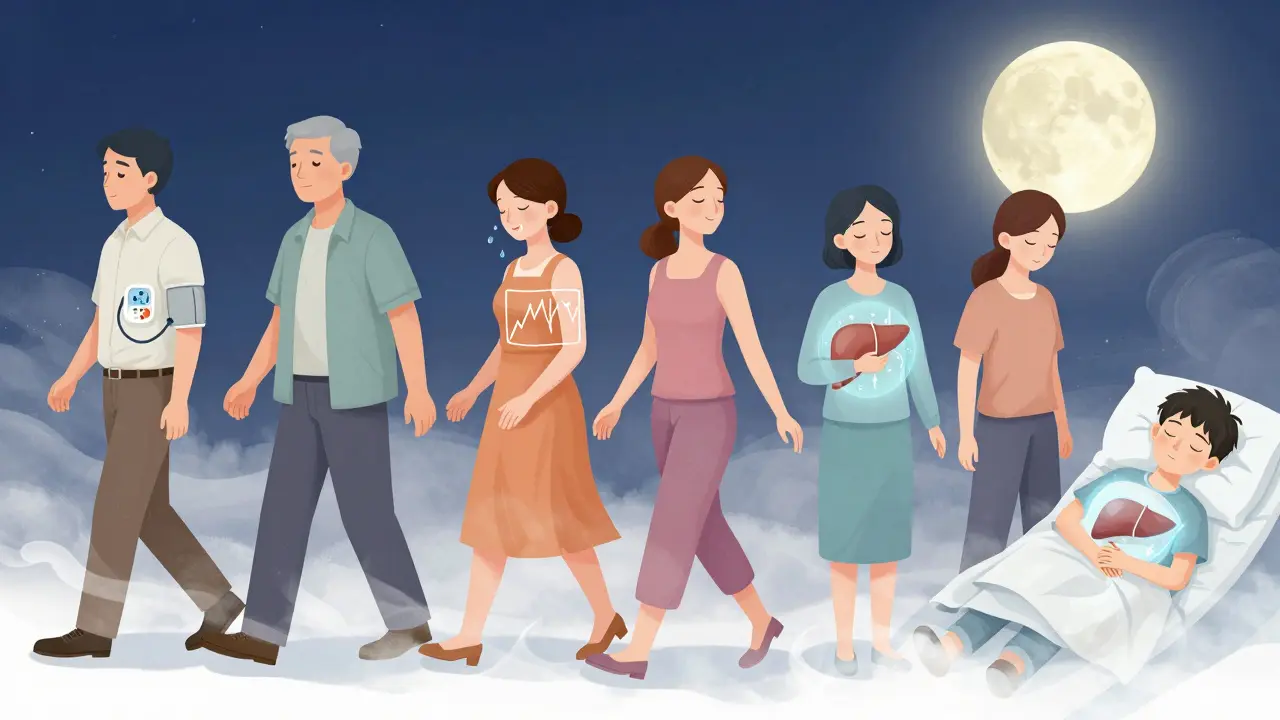
Your liver doesn’t shut off at night. It’s busy processing your meds. But if you’re sleeping less than seven hours, that process slows down. Research from the National Sleep Foundation shows that poor sleep cuts drug metabolism by 22%. That’s huge for drugs processed by the CYP3A4 enzyme-like statins, some antidepressants, and even certain painkillers. A 2021 study found that people who got 7-9 hours of quality sleep (tracked with actigraphy) had steadier drug levels and fewer side effects. Try this: go to bed and wake up at the same time every day-even weekends. No screens an hour before bed. Keep your room cool (around 18°C). If you’re still waking up tired, talk to your doctor about sleep apnea. It’s common, often untreated, and it makes every drug harder to tolerate.
Stress: The Silent Side Effect Amplifier
Stress doesn’t just make you feel awful. It changes how your body handles medicine. High cortisol levels-your body’s stress hormone-can make antidepressants less effective. A 2021 JAMA Psychiatry study found that people doing 30 minutes of mindfulness meditation daily improved antidepressant response by 31%. They also gained less weight. Why? Stress triggers cravings for sugary, fatty foods. It also messes with your gut, which affects how drugs are absorbed. Try this: 10 minutes of deep breathing in the morning. 10 minutes before bed. Use a free app like Insight Timer or just count your breaths. Don’t wait until you’re overwhelmed. Start small. Consistency beats intensity.
What to Track Before You Ask for a Dose Change
Too many people go to their doctor and say, “This drug isn’t working,” when the real issue is their lifestyle. Before you ask for a higher dose or a new pill, ask yourself:
- Do I eat the same amount of greens every week? (For blood thinners)
- Do I eat carbs in one big meal or spread out? (For diabetes meds)
- Do I walk at least 30 minutes five days a week? (For blood pressure, statins, antidepressants)
- Do I sleep 7+ hours with a regular schedule? (For almost all meds)
- Do I drink grapefruit juice or eat a lot of it? (For statins, calcium blockers)
- Do I drink alcohol daily? (It can make liver-metabolized drugs more toxic)
Write down your answers. Bring them to your next appointment. You’ll be surprised how often your doctor says, “Let’s try this first.”
Common Mistakes That Make Side Effects Worse
People think if they’re taking meds, they don’t need to change anything else. That’s dangerous. Here’s what actually happens:
- Starting a statin and then eating more butter and bacon-your cholesterol doesn’t drop. Your liver gets overloaded.
- Going on an antidepressant and skipping workouts-weight gain kicks in fast. Exercise is part of the treatment.
- Drinking a glass of wine every night with your blood pressure pill-alcohol raises pressure, fights the drug.
- Skipping meals to lose weight while on diabetes meds-your blood sugar crashes. You feel dizzy. You think the drug’s broken.
The biggest mistake? Stopping your meds because of side effects. Don’t do it. Talk to your doctor. Adjust your habits first. The data shows that when people fix their lifestyle, 72% of those on metabolic meds (for diabetes, cholesterol, blood pressure) can reduce their dose or even stop one entirely-under supervision.
What Works Best: Real Programs, Real Results
The Cleveland Clinic’s Lifestyle 180 program doesn’t just give advice. It gives structure. Participants get:
- 45 minutes of daily exercise, tracked with heart rate monitors
- A Mediterranean diet with less than 50g of added sugar per day
- 7.5 hours of verified sleep each night
- Two 10-minute mindfulness sessions daily
After 12 weeks, 72% of people with metabolic conditions reduced their medication. No magic. Just consistency. The University of North Carolina’s Medication Optimization Program uses certified health coaches who meet patients weekly for 30 minutes. They don’t push diets. They help people find one habit they can stick to. One person started with just drinking water instead of soda. Three months later, their blood sugar improved. Their metformin dose was cut in half.
What to Do Next
You don’t need to overhaul your life overnight. Pick one thing. One change. That’s it.
- If you’re on a statin: swap one fried meal for grilled fish or chicken this week.
- If you’re on blood pressure meds: walk 15 minutes after dinner, every day.
- If you’re on antidepressants: add 10 minutes of walking in the morning and 10 minutes of deep breathing at night.
- If you’re on diabetes meds: eat your carbs in two smaller meals instead of one big one.
Track how you feel. Give it four weeks. Then talk to your doctor. You might be surprised. You might not need more pills. You just need better habits.
Can I stop my medication if I change my lifestyle?
No. Never stop or reduce your medication without talking to your doctor. Lifestyle changes can help reduce your dose, but they should never replace medical advice. Stopping meds like blood pressure or diabetes drugs suddenly can cause dangerous spikes in blood pressure or blood sugar. Your doctor will monitor your progress and adjust your prescription safely.
How long does it take for lifestyle changes to affect medication side effects?
Most people start seeing improvements in 4 to 8 weeks. Sleep and stress changes can show up in as little as two weeks. Exercise and diet changes take longer-usually 6 to 12 weeks-to fully impact how your body processes drugs. Be patient. Consistency matters more than intensity.
Do I need to follow a strict diet to reduce side effects?
No. You don’t need to go keto, vegan, or gluten-free. What matters is consistency and avoiding known interactions. For example, if you’re on warfarin, keep your vitamin K intake steady-not zero. If you’re on metformin, avoid huge carb loads. Small, realistic changes beat extreme diets every time.
Can alcohol make medication side effects worse?
Yes. Alcohol puts extra stress on your liver, which is already working to break down your meds. It can increase side effects like dizziness, drowsiness, and liver damage. For people on statins, antidepressants, or painkillers, even one drink a day can make things worse. If you drink, talk to your doctor about safe limits.
What if my doctor doesn’t mention lifestyle changes?
Many doctors still focus on prescribing, not lifestyle. But you can lead the conversation. Bring a list of your habits: sleep, diet, activity, stress. Ask, “Could any of my lifestyle choices be making my side effects worse?” Most will appreciate the initiative. If they dismiss you, consider finding a provider trained in lifestyle medicine.



lol so now i'm supposed to be a nutritionist, personal trainer, and sleep scientist just to take my blood pressure pill? 🤡 my doctor prescribes meds, not life coaching. next they'll be asking me to meditate while i'm on the toilet. this isn't a self-help podcast, it's healthcare.
I just want to say... thank you. Seriously. I’ve been on statins for 5 years, and I thought the muscle pain was just ‘part of it.’ Then I started walking 20 mins after dinner, and eating my greens at the same time every day-no more spikes. The difference? Night and day. You’re not alone. Small steps, baby steps-they add up. You got this. 💪
Let me tell you something real: movement is the most underprescribed drug on the planet. I was on metformin, bloated, exhausted, felt like a zombie. Then I started doing 10-minute home workouts three times a week. Not because I wanted to. Because I had to. Six weeks later? My doc cut my dose in half. No magic. Just sweat. And consistency. If you’re not moving, you’re not healing. Period.
I read this whole thing and just sighed. Like... okay. So now I have to track my kale intake? My sleep? My breathing? What’s next? Do I need to join a cult called 'Lifestyle 180' and wear a robe while chanting affirmations? I just want to take my pill and go to bed. Why does everything have to be so... intense?
I’ve been on warfarin for 12 years. I used to eat spinach every other day. Then I’d binge it. My INR went wild. I almost ended up in ER. Then I started eating one big salad every single day-same time, same amount. No more stress. No more blood tests. Just consistency. It’s not rocket science. Just... show up. For yourself.
The 72% stat? That’s the number that matters. I’ve seen it. I’ve lived it. My sister was on three meds for prediabetes. She swapped soda for water. Walked after dinner. Went to bed at 11. No more. No less. Four months later? One med. And she’s got energy. Like, real energy. Not caffeine energy. Soul energy. This isn’t about perfection. It’s about rhythm. Find yours.
You people are so naive. The pharmaceutical industry doesn’t want you to fix this. They profit from your misery. This ‘lifestyle change’ nonsense? It’s a distraction. The real solution? Abolish the drug industry. Until then, you’re just being manipulated into thinking you’re in control. Wake up.
So let me get this straight. If I eat a burger, I’m ‘fighting a chemical war in my liver’? If I nap after lunch, my antidepressant ‘doesn’t metabolize properly’? I’m 29. I work two jobs. I have a cat who judges me. I don’t have time to be a biochemist. Can I just... not?
CYP3A4 metabolism is a bitch. And yes, grapefruit juice + statins = toxic cocktail. But here’s the kicker: it’s not just grapefruit. It’s Seville oranges, pomelos, even some herbal teas. And cortisol? It’s not just ‘stress.’ It’s circadian disruption, blue light, poor sleep architecture. This isn’t wellness fluff. It’s pharmacokinetics. Pay attention.
I’m not gonna lie-I rolled my eyes at this. But I tried the 10-min walk + 10-min breathing thing. Just because it was easy. And guess what? I slept better. Didn’t feel so jumpy. Didn’t snack at 2am. I didn’t even think about it. It just... worked. Maybe the fix isn’t complicated. Maybe it’s just... human.
I’m a nurse. I’ve seen people stop their meds because they ‘felt better.’ Then they come back in crisis. This post? It’s the bridge between science and survival. Don’t overcomplicate it. One change. One week. Then another. You don’t have to be perfect. You just have to be persistent. And you’re not failing if you slip. You’re learning.
This is all a government psyop. They want you to think you’re in control so you don’t ask why your meds cost $800 a month. The ‘lifestyle changes’ are just为了让 you feel guilty while Big Pharma laughs. Wake up. The system is rigged. Your liver doesn’t care about your kale. It cares about your paycheck.
So if I eat one slice of pizza and my INR drops, I’m a monster? If I sleep 6.5 hours because my kid cries, I’m endangering my life? This feels less like medicine and more like a performance review for your body. Who decided I owe my liver 150mcg of vitamin K? I didn’t sign up for this.
I just wanted to say... I’ve been on antidepressants for 8 years. I started walking in the morning. Just 10 minutes. Then I started breathing before bed. No apps. Just counting. And slowly, the fog lifted. Not because of the drug. Because I started showing up for myself. You don’t need to be perfect. Just present. And you’re already doing better than you think. ❤️
Let’s be real: if you’re on meds and still eating fried chicken, drinking wine, and scrolling TikTok until 2am, you’re not ‘having side effects’-you’re just doing life wrong. This isn’t a guide. It’s a mirror. And yeah, it’s gonna sting. But the truth doesn’t care if you’re ready for it. It just shows up. And now it’s staring you in the face.