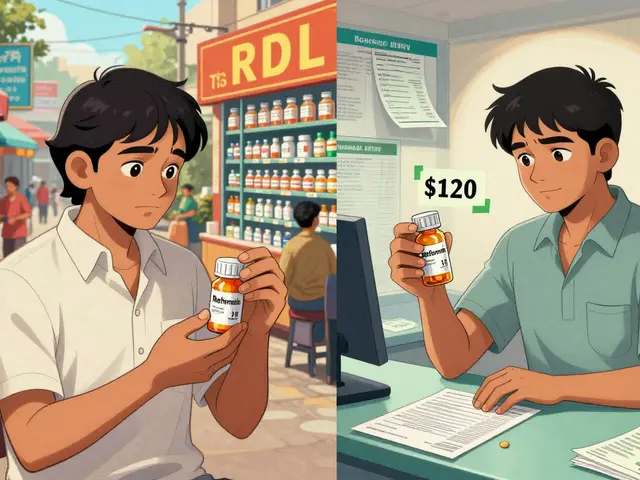
When you pick up a prescription, you might see two options: the name you recognize from TV ads, or a cheaper version with a plain label. You might wonder - is the generic just as good? Or are you risking your health to save money? The truth is simpler than most people think. For most people, generic drugs work exactly like their brand-name counterparts. But there are exceptions. And knowing when those exceptions matter could save you from serious problems.
What Exactly Makes a Drug "Generic"?
A generic drug isn’t a copy. It’s not a knockoff. It’s a legally approved version of a brand-name drug that contains the same active ingredient, in the same strength, and delivered the same way - whether it’s a pill, injection, or inhaler. The U.S. Food and Drug Administration (FDA) requires every generic to prove it delivers the same amount of medicine into your bloodstream at the same rate as the original. That’s called bioequivalence. The FDA allows a tiny variation - between 80% and 125% - in how much of the drug gets absorbed. Most generics fall within 3.5% of the brand-name version, according to a 2016 study in JAMA that looked at over 2,000 tests. The reason generics cost so much less? Brand-name companies spend billions developing a new drug. The FDA estimates the average cost is $2.6 billion per drug, including failed attempts. That money covers years of research, clinical trials, and marketing. Generic manufacturers don’t repeat those expensive steps. They only need to prove their version works the same way. That’s why generics are typically 80% to 85% cheaper. GoodRx found an average savings of 82.5% in 2022. For example, the generic version of Lipitor (atorvastatin) dropped from $130 a month to under $1 after patent expiration.Why Do Generics Look Different?
If you’ve ever switched from one pill to another and thought, "This isn’t the same medicine," you’re not alone. Generics often look different - different color, shape, or size. That’s not a mistake. It’s the law. U.S. trademark rules prevent generic manufacturers from copying the exact appearance of brand-name pills. So even if the active ingredient is identical, the pill might be blue instead of orange, or oval instead of round. The difference isn’t in what works. It’s in what doesn’t. The inactive ingredients - the fillers, dyes, binders, and preservatives - can vary. For most people, that’s harmless. But for some, it matters. If you’re allergic to red dye, a generic version with a different color might trigger a reaction. If you have trouble swallowing pills, a different shape might be harder to take. These small differences are why some people feel like a generic isn’t working as well - even when the science says it should.When Generics Might Not Be the Same
Not all drugs are created equal. Some medications need to stay within a very narrow range in your bloodstream to be safe and effective. These are called narrow therapeutic index (NTI) drugs. Examples include warfarin (a blood thinner), levothyroxine (for thyroid conditions), and certain seizure medicines like phenytoin and levetiracetam. For these drugs, even small changes in how the body absorbs the medicine can cause problems. A 2017 study from the University of Cincinnati Epilepsy Center found that switching between different generic versions of levetiracetam led to a 32% higher risk of seizure-related hospital visits. That’s not because generics are bad. It’s because the body’s response to tiny variations is more sensitive with NTI drugs. The FDA still says all approved generics are therapeutically equivalent. But experts like Dr. Michael Privitera and the American Academy of Neurology recommend that patients on NTI drugs stick with the same manufacturer whenever possible. If you’re on one of these drugs and notice changes in how you feel after switching generics, talk to your doctor. You might need a "dispense as written" note on your prescription to avoid automatic substitution.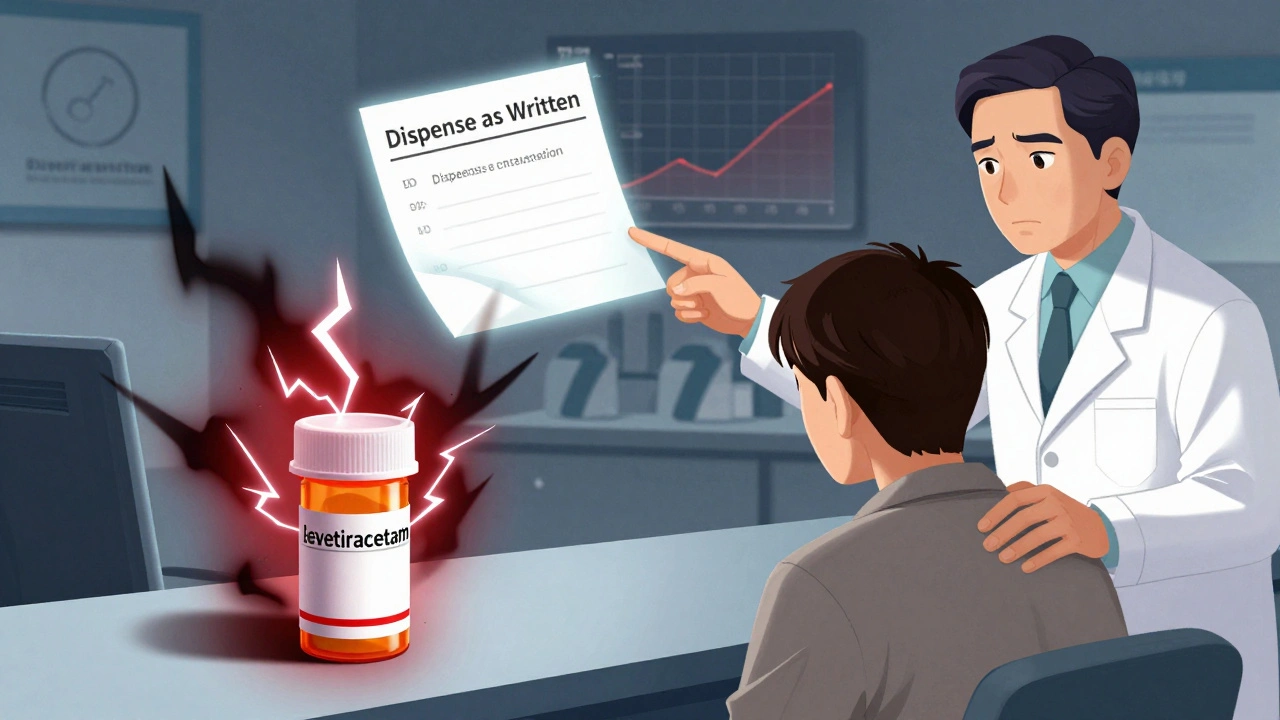
Cost Savings Are Real - and Massive
The financial impact of generics is enormous. From 2007 to 2016, generic drugs saved the U.S. healthcare system $1.67 trillion. Medicare saved $77 billion. Medicaid saved $37.9 billion. That’s not a guess - it’s from the Association for Accessible Medicines. Today, 90% of all prescriptions filled in the U.S. are for generics. Yet those generics make up only 26% of total drug spending. That’s because brand-name drugs, which make up just 11% of prescriptions, account for 74% of the cost. It’s a clear imbalance. The most expensive drugs are often the ones with the fewest prescriptions. For individual patients, the savings are life-changing. One Reddit user reported saving $450 a month after switching from brand-name Humira to its biosimilar. Medicare beneficiaries say cost is the top reason they choose generics - 68% said so in a 2023 survey. For people on fixed incomes, that difference can mean choosing between medicine and groceries.Who Makes Generic Drugs - And Should You Care?
The generic drug market is dominated by a few big players. Teva Pharmaceutical leads globally with a 14% market share. Sandoz (a division of Novartis) and Viatris (which absorbed Mylan) are also major suppliers. But there are hundreds of manufacturers worldwide making generics. Most generic drugs sold in the U.S. are made overseas. About 80% of active pharmaceutical ingredients come from India and China. The FDA inspects these facilities, but a 2023 Government Accountability Office report found that 18% of foreign manufacturing sites had at least one inspection violation - compared to 8% for U.S. sites. That doesn’t mean they’re unsafe. It means there’s more risk of inconsistency. Drug shortages are another issue. In 2022, the FDA listed 178 active shortages of generic medications. Many are for older, low-cost drugs like antibiotics or injectables. When a shortage hits, pharmacists may switch you to a different generic - or even a brand-name version - at higher cost. If you rely on a specific generic and it disappears, you might need to call around to find another pharmacy that carries it.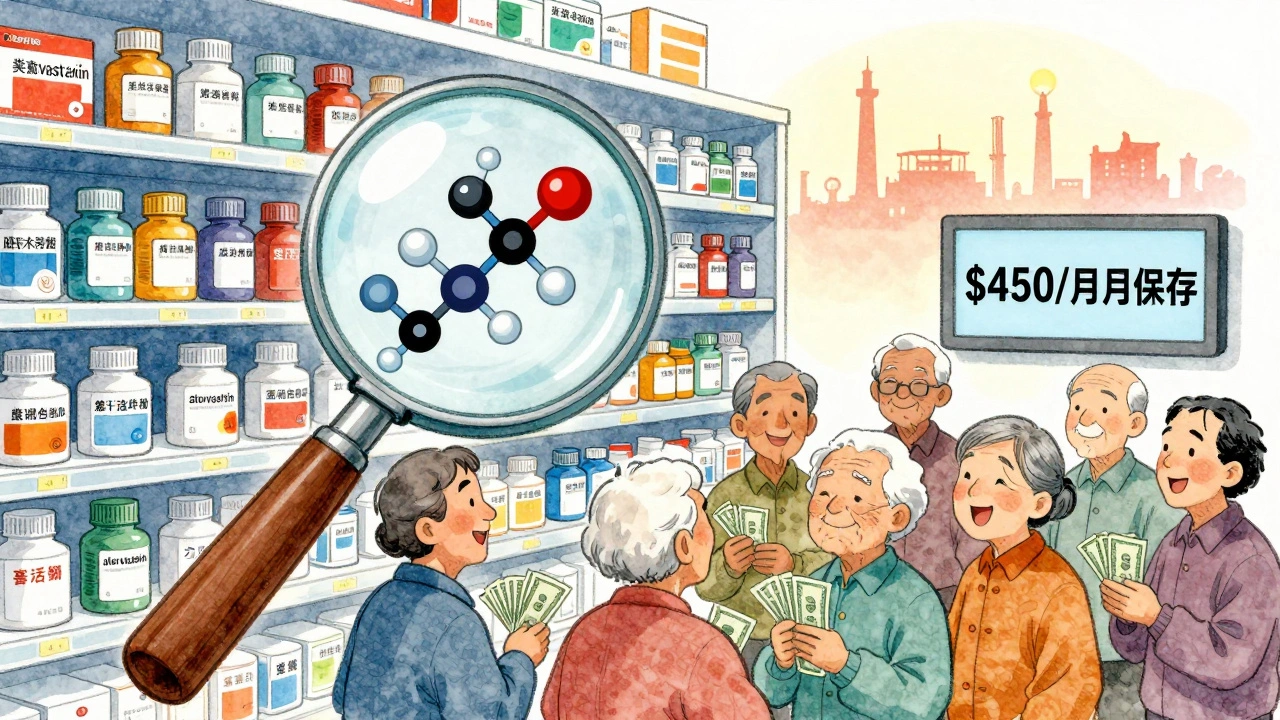
What You Can Do: Practical Tips for Patients
You don’t need to be a pharmacist to use generics wisely. Here’s what works:- Ask if a generic is available. It’s not always automatic. Some doctors still default to brand names unless you ask.
- Check the label. Look for the active ingredient. If it matches your brand-name drug, it’s the same medicine.
- Stick with one manufacturer. Especially for NTI drugs. If you’re doing well on a specific generic, ask your pharmacist to keep filling it from the same company.
- Use tools like GoodRx. It compares prices at 70,000 pharmacies. Sometimes the cheapest option isn’t the one your insurance pushes.
- Know your red flags. If you start feeling worse, more tired, dizzy, or have new symptoms after switching - don’t ignore it. Talk to your doctor. It might be the generic.
- Use the FDA’s Orange Book. It lists approved generics and their therapeutic ratings. You can search by drug name to see which generics are rated as equivalent.
What’s Changing in the Generic Drug Market?
The FDA is working to fix gaps. Its Generic Drug User Fee Amendments (GDUFA) III, launched in 2023, aims to cut approval times from 14 months to 10. It’s also pushing a new initiative for complex generics - things like inhalers, eye drops, and topical creams that are harder to copy. In 2017, only 3 complex generics were approved. By 2022, that number jumped to 12. Biosimilars - the generic version of biologic drugs like Humira, Enbrel, and Remicade - are growing fast. There are now 35 FDA-approved biosimilars, and they generated $3.2 billion in U.S. sales in 2022. That’s still only 2.3% of the total biologics market, but the potential is huge. Humira lost its patent in 2023, and its annual sales were $21 billion. Generic versions could save billions. The Congressional Budget Office predicts generics will save the U.S. healthcare system another $1.7 trillion between 2023 and 2032. But challenges remain: drug shortages, overseas manufacturing risks, and patient confusion about appearance changes.Final Thoughts: Is Generic Right for You?
For most people, the answer is yes. If you’re taking metformin for diabetes, lisinopril for high blood pressure, or simvastatin for cholesterol, generics are safe, effective, and save you money. The science is clear. The data backs it up. But if you’re on a narrow therapeutic index drug - thyroid medicine, blood thinners, or seizure meds - pay attention. Don’t assume all generics are interchangeable. If you notice changes after a switch, speak up. Your doctor can help you stay on the same version. The goal isn’t to avoid generics. It’s to use them wisely. You’re not sacrificing quality to save money. You’re making a smart choice - as long as you know when to ask for more.Are generic drugs as effective as brand-name drugs?
Yes, for most medications, generic drugs are just as effective as brand-name versions. The FDA requires them to have the same active ingredient, strength, dosage form, and bioequivalence - meaning they deliver the same amount of medicine into your bloodstream at the same rate. Studies show that generics perform within 3.5% of brand-name drugs on average, well within the FDA’s acceptable range.
Why are generic drugs cheaper than brand-name drugs?
Generic drugs cost less because manufacturers don’t have to repeat expensive clinical trials or pay for marketing campaigns. Brand-name companies spend an average of $2.6 billion to develop a new drug, including research, testing, and advertising. Generic makers only need to prove their version works the same way - which costs far less. That’s why generics are typically 80% to 85% cheaper.
Can I switch between different generic brands safely?
For most medications, yes. But for narrow therapeutic index (NTI) drugs - like warfarin, levothyroxine, or certain seizure medications - switching between different generic manufacturers can cause problems. Even small differences in how the body absorbs the drug can lead to side effects or reduced effectiveness. If you’re on one of these drugs, ask your doctor to specify "dispense as written" on your prescription to avoid automatic substitution.
Do generic drugs have the same side effects as brand-name drugs?
The active ingredient causes the same side effects. But because generics can use different inactive ingredients - like fillers, dyes, or preservatives - some people may react differently. For example, someone allergic to red dye might have a reaction to a generic version that uses it, while the brand-name version doesn’t. These reactions are rare but possible. If you notice new side effects after switching, talk to your doctor.
How do I know if my pharmacy is giving me a generic?
The label will show the generic name of the drug, not the brand name. For example, instead of "Lipitor," you’ll see "atorvastatin." The pill might also look different - different color, shape, or size - because trademark laws prevent generics from looking identical to brand-name pills. If you’re unsure, ask your pharmacist to confirm the name and manufacturer.
Are all generic drugs made in the U.S.?
No. About 80% of the active ingredients in U.S. generic drugs come from overseas, mainly India and China. The FDA inspects all manufacturing facilities - domestic and foreign - but foreign sites have a higher rate of inspection findings. That doesn’t mean they’re unsafe, but it does mean quality control can vary. If you’re concerned, ask your pharmacist which manufacturer made your generic.
Can I trust generic drugs approved by the FDA?
Yes. The FDA holds generic drugs to the same strict standards as brand-name drugs for quality, strength, purity, and potency. Manufacturing facilities must follow the same Good Manufacturing Practices (GMP). Over 90% of prescriptions in the U.S. are filled with generics, and millions of patients use them safely every day. The FDA has approved more than 15,000 generic products as of 2023.
What should I do if I think my generic isn’t working?
Don’t stop taking it. First, check if you recently switched manufacturers or if your prescription was filled at a different pharmacy. Write down any new symptoms or changes in how you feel. Then talk to your doctor. For NTI drugs, switching generics can cause issues. Your doctor may ask your pharmacist to refill your prescription with the same manufacturer, or they may write "dispense as written" to prevent future switches.
If you’re taking a common medication - like blood pressure pills, cholesterol drugs, or diabetes medicine - switching to a generic is one of the smartest financial moves you can make. You’re not getting a second-rate product. You’re getting the same medicine at a fraction of the cost. Just stay aware, ask questions, and speak up if something feels off.



Okay but let’s be real - if the FDA lets generics in with 80-125% bioequivalence, that’s a 45% swing. That’s not ‘same medicine,’ that’s Russian roulette with your thyroid. I know someone who went from stable to seizures because they switched generics. The system is rigged to save pennies while people die quietly.
I’ve been on levothyroxine for 12 years, and I stick with the same generic manufacturer because my doctor told me consistency matters. I don’t care what it looks like - I care that I don’t feel like a zombie. Also, GoodRx saved me $90/month. Small wins, you know?
Let me tell you something about the pharmaceutical-industrial complex - they don’t want you to know this, but the FDA’s inspection system is a joke. Most of these generics are made in factories where workers are paid less than minimum wage and the air is thick with chemical dust. The FDA sends inspectors once every five years, and they get prepped for weeks before the visit. You think your pill is safe? It’s just a gamble with your liver. And don’t even get me started on the fact that 80% of the active ingredients come from China - the same country that hides outbreaks, manipulates data, and controls the global supply chain. This isn’t medicine, it’s a geopolitical liability wrapped in foil.
Remember when they said aspartame was safe? And then it wasn’t? And now they’re telling us generics are ‘just as good’? No thanks. I’ve seen too many people get weird rashes, brain fog, and panic attacks after switching. The FDA approves things because they’re pressured by lobbyists, not because they care about you. The brand-name drug? At least you know who made it. With generics? Could be anything. Could be a batch from a warehouse in Mumbai that got shipped through three different ports. I’m not a guinea pig.
Wow. Someone actually wrote a coherent article about generics without sounding like a pharmacy sales rep. I’m impressed. Most people think ‘generic’ means ‘discount bin medicine.’ The truth? It’s the same damn molecule. If you’re on warfarin and your INR starts fluctuating after a switch - yeah, that’s real. But for 90% of drugs? It’s pure economics. Stop paying for marketing. Stop paying for fancy packaging. Stop paying for the CEO’s yacht. The pill is the pill. Period.
It is, indeed, a moral imperative to prioritize pharmaceutical integrity over fiscal expediency. One cannot, in good conscience, endorse the commodification of human health under the guise of cost-efficiency. The FDA’s regulatory framework, while ostensibly rigorous, is fundamentally compromised by the influence of corporate interests. One must ask: if a patient’s life hangs in the balance due to a 5% variance in bioavailability, can we truly say that the ends justify the means? The answer, in my view, is an unequivocal no.
Okay, so I get that generics are cheaper - but have you ever checked the manufacturer? I once got a generic for my blood pressure med that was made by a company based in… wait for it… a building with no address listed. No website. No phone number. Just a PO box. And the pill had a weird smell. Like, metallic. I called my pharmacist and they said, ‘Oh, that’s just the new batch from Sun Pharma.’ I said, ‘Is Sun Pharma a bank?’ They laughed. I didn’t. I switched back to brand. I’d rather pay $120 than risk my kidneys. And yes, I know I’m being dramatic. But my kidneys aren’t.
THIS IS WHY AMERICA IS DYING. You think the FDA gives a damn about you? They’re on payroll from Big Pharma. The fact that you’re even considering a generic is a sign of surrender. Your doctor doesn’t know what’s in those pills. The pharmacist doesn’t know. The guy who shipped it from India doesn’t know. You’re just a number in a spreadsheet. And now you’re going to die because you saved $80 a month? Congrats. You’re the hero of the neoliberal nightmare.
My mom’s on warfarin and we’ve had to call three pharmacies to find the same generic maker after hers got discontinued. It’s a pain, but it’s worth it. I just tell the pharmacist: ‘Same maker, please.’ They get it. And honestly? I’m glad generics exist. Without them, my dad couldn’t afford his diabetes meds. We’re not trying to be cheap - we’re trying to survive. Just know your meds. Ask questions. Don’t panic. But don’t sleepwalk through it either.
Let me just say - if you’re taking a generic, you’re not just saving money. You’re participating in a system that treats human biology like a commodity to be optimized. The fact that you’re okay with a pill made in a factory with 18% inspection violations? That’s not pragmatism. That’s moral laziness. And don’t give me that ‘it’s the same molecule’ nonsense. The body doesn’t read chemical formulas - it reads context. The fillers, the binders, the manufacturing environment - they matter. You think your body doesn’t notice the difference? It does. You just don’t want to admit it. And that’s why we’re in this mess. We’ve normalized mediocrity. And now we’re paying for it - in pain, in hospital bills, in grief.