When a patient walks into your office asking why they’re switching from their brand-name pill to a cheaper generic, what do you say? The truth is, you don’t need to guess anymore. Over the last two decades, dozens of large-scale studies have answered that question clearly: generic drugs work just as well as brand-name drugs for nearly every condition you treat.
Generics Aren’t Just Cheaper-They’re Clinically Equivalent
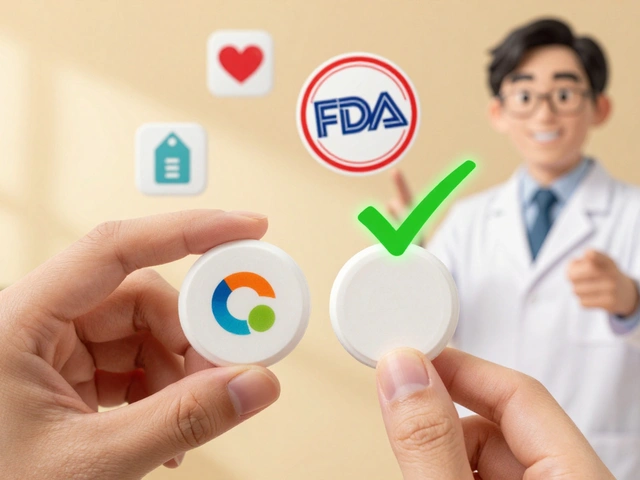
The FDA doesn’t approve a generic drug unless it delivers the same active ingredient, in the same strength, and at the same rate as the brand-name version. That’s not marketing talk-it’s science. To get approval, manufacturers must prove bioequivalence: their version must produce blood levels of the drug within 80-125% of the brand’s. For most drugs, that means the patient gets the exact same amount of medicine in their body, within a tiny margin of error. A 2019 study in PLOS Medicine looked at over 1.3 million patients taking generics versus brand-name versions across 14 different conditions. The results? For 12 out of 16 comparisons, there was no meaningful difference in clinical outcomes. Heart attack rates, stroke risk, hospitalizations-all matched up. Even in tricky areas like diabetes, a 2023 study of 2.1 million patients found identical HbA1c control between generic and brand-name metformin. The difference? A mere 0.02%. That’s not a flaw-it’s precision.What About the Drugs That Scare Doctors?
You’ve heard the concerns: thin-slice drugs like warfarin, levothyroxine, or tacrolimus. These have narrow therapeutic windows-small changes in blood levels can cause big problems. That’s why these drugs get extra scrutiny. The FDA uses stricter bioequivalence rules for them, called Scaled Average Bioequivalence (SCABE). A 2020 study in Nature Scientific Reports followed transplant patients switching between brand and generic tacrolimus over 42 days. No increase in rejection rates. No drop in kidney function. No safety signals. Still, some providers hesitate. But here’s what the data shows: even for these high-risk drugs, population-level outcomes don’t support the fear. The FDA’s own switch-back analysis found patients weren’t more likely to go back to brand-name drugs after starting generics. And when they did switch back, it wasn’t because their condition worsened-it was because they thought the generic looked different or heard a rumor.Psychiatric Drugs: The One Area With Mixed Signals
This is where things get interesting. A few studies, including the same PLOS Medicine analysis, found slightly higher psychiatric hospitalization rates with generics for escitalopram and sertraline. At first glance, that’s alarming. But dig deeper. The same study found those same patterns showed up when patients switched from brand-name to authorized generics-the exact same pills, just sold under a different label. That tells you something important: it’s not the drug. It’s perception. Patients who believe generics are inferior are more likely to report side effects, miss doses, or stop taking them altogether. And that’s not a pharmacological issue-it’s a psychological one. The FDA reviewed 12 psychiatric drugs and found no consistent evidence that generics caused worse outcomes. The slight uptick in hospitalizations? Likely tied to patient expectations, not drug performance.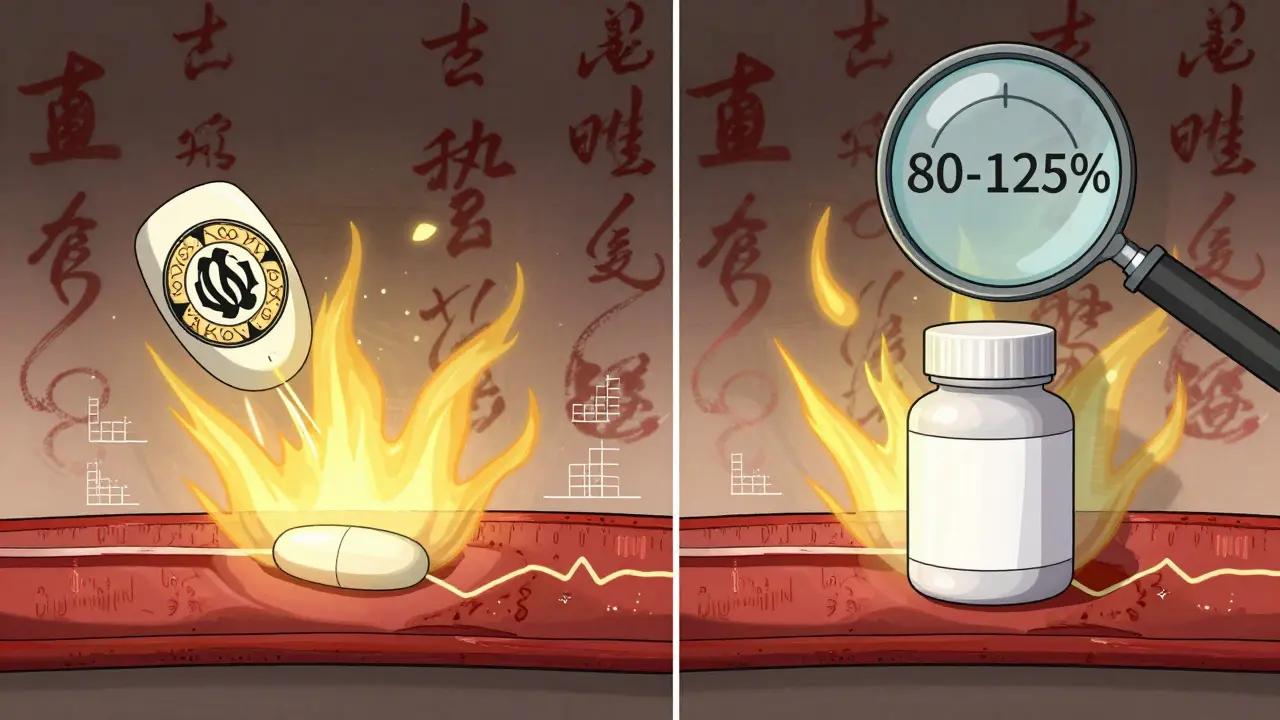
Real-World Savings, Real-World Impact
Let’s talk numbers. In 2021 alone, generic drugs saved the U.S. healthcare system $377 billion. Since 2009, that total exceeds $2.2 trillion. That’s not just money in a pharmacy’s pocket-it’s money back into patients’ lives. Fewer people skip doses because they can’t afford pills. Fewer people end up in the ER because they ran out. Fewer families choose between meds and groceries. And here’s the kicker: generics make up 90% of all prescriptions filled in the U.S. Yet they cost only 23% of what brand-name drugs do. The average generic is 80-85% cheaper. That’s not a rounding error. That’s life-changing for people on fixed incomes, Medicare beneficiaries, or those without insurance.What the FDA Says-and What You Can Tell Patients
The FDA’s position is simple: an approved generic is therapeutically equivalent to its brand-name counterpart. They don’t just rely on lab tests. They track real-world outcomes through the Adverse Event Reporting System. Between 2015 and 2020, only 0.02% of all adverse drug reports involved generic-specific concerns. Meanwhile, 3.2% involved brand-name drugs. So when a patient says, “I don’t trust the generic,” here’s what you can say:- “This pill has the same active ingredient, same dose, same way of working as the brand.”
- “The FDA requires it to work just as well-within a tiny, safe range.”
- “Millions of people take generics every day. They’re not experimental.”
- “If there were real safety issues, we’d know by now. The data is everywhere.”
What You Should Watch For
Not every generic is created equal in appearance. Some look different because of inactive ingredients-color, shape, fillers. That’s normal. But it can confuse patients. A pill that used to be blue is now white? They might think it’s a different drug. That’s why documentation matters. Always check the FDA’s Orange Book. Over 97% of generics are rated “A,” meaning they’re therapeutically equivalent. Only 3% are “B,” usually because they’re complex (like inhalers or topical creams). For those, you might want to stick with the brand-or confirm the generic’s specific bioequivalence data. Also, pay attention to authorized generics. These are made by the brand-name company but sold under a generic label. They’re identical in every way. Some patients respond better to them-not because they’re better, but because they look and feel familiar. That’s worth noting in shared decision-making.The Bottom Line
You don’t have to choose between cost and care. Generics deliver both. The evidence isn’t just strong-it’s overwhelming. For cardiovascular drugs, diabetes meds, antibiotics, antihypertensives, and most chronic conditions, generics are just as safe and effective. The few exceptions are well-documented, tightly regulated, and rare. The real question isn’t whether generics work. It’s whether you’re doing your part to help patients access them. Every time you prescribe a generic instead of a brand-name drug, you’re not just saving money. You’re reducing barriers to care. You’re preventing avoidable hospitalizations. You’re helping people stay healthy. The data doesn’t lie. The science is clear. Generics aren’t second-best. They’re the standard.Are generic drugs really as effective as brand-name drugs?
Yes. The FDA requires generics to deliver the same active ingredient in the same amount and at the same rate as the brand-name version. Large studies involving over a million patients show no meaningful difference in clinical outcomes for nearly all drug classes, including heart disease, diabetes, and depression. The only exceptions are rare, tightly regulated cases like certain narrow therapeutic index drugs.
Why do some patients say generics don’t work for them?
Most often, it’s not the drug-it’s perception. Patients may notice differences in color, shape, or size and assume the medication is weaker. Studies show that when patients are switched from brand-name to authorized generics (identical pills, different label), they still report side effects or feel the drug doesn’t work. This suggests psychological factors, not pharmacological ones, are driving these experiences.
Should I avoid generics for psychiatric medications?
No. While a few studies showed slightly higher hospitalization rates with certain generics like escitalopram and sertraline, those same patterns appeared when patients switched to authorized generics-meaning the issue wasn’t the drug’s chemistry. The FDA found no consistent evidence that generics cause worse outcomes in mental health. Patient concerns are often rooted in stigma or misinformation, not clinical reality.
Are generics safe for high-risk drugs like warfarin or levothyroxine?
Yes. The FDA uses stricter bioequivalence standards for narrow therapeutic index drugs. Studies tracking patients switching between brand and generic versions of warfarin and levothyroxine show no increase in adverse events or hospitalizations. The key is consistent use-once a patient stabilizes on a specific generic, they should stay on it. Switching between different generic brands can cause variability, but that’s true even with brand-name switches.
How do I know if a generic is truly equivalent?
Check the FDA’s Orange Book. It lists all approved generics and rates them as “A” (therapeutically equivalent) or “B” (not equivalent). Over 97% of generics are rated “A.” If a drug is “B-rated,” it’s usually because it’s complex-like an inhaler or topical cream. For those, review the specific bioequivalence data or consider sticking with the brand unless the generic has proven performance in your patient population.
Do generics cost less because they’re lower quality?
No. Generics cost less because manufacturers don’t have to repeat expensive clinical trials. The active ingredient is identical, and the FDA requires the same manufacturing standards. In fact, many generics are made in the same factories as brand-name drugs. The price difference reflects market competition, not quality compromise.





Let’s be real - if you’re still hesitating on generics, you’re not protecting your patients, you’re protecting the pharmaceutical marketing machine. The data’s been clear for years. I’ve switched hundreds of patients to generics, and not one has had a legitimate clinical issue. The ones who say they ‘feel different’? They’re reacting to the pill looking different, not the drug working differently. We need to stop letting placebo effects dictate prescribing.
One must lament the tragic commodification of pharmacology in the modern era - where the sacred art of healing is reduced to a cost-benefit spreadsheet, and the nuanced science of bioequivalence is cavalierly dismissed as ‘good enough.’ Are we truly so jaded that we equate therapeutic equivalence with therapeutic *identity*? The molecular structure may be identical, but the soul of a medication - the meticulous craftsmanship, the decades of R&D, the intellectual property - cannot be replicated by a factory in Bangalore or Shanghai. This is not medicine; it is pharmaceutical austerity.
As someone who’s seen patients in rural India struggle to afford even basic meds, I can tell you - generics aren’t just a convenience, they’re a lifeline. I’ve had mothers weep because they could finally afford their child’s asthma inhaler. I’ve seen diabetics stop skipping doses because the pills didn’t cost half their daily wage. The science backs it up, sure - but the real win? When a patient says, ‘I’m still alive because of this.’ That’s not data. That’s dignity.
I’ve had patients come in convinced generics gave them headaches or made them ‘feel weird.’ I always ask if they switched from a blue pill to a white one. 9 times out of 10, that’s the trigger. We need better patient education - not just about the science, but about the psychology. A pill’s color shouldn’t dictate whether someone takes their meds. Maybe we should include a quick ‘what to expect’ handout with every generic script.
Everyone’s acting like this is some groundbreaking revelation. The FDA’s been approving generics since the 1980s. The data’s been out for 20 years. If you’re still skeptical, you’re either underinformed or you’re getting kickbacks from Big Pharma. The fact that people still believe generics are inferior is proof that medical education is broken. We’re teaching doctors to fear what’s been proven safe - and that’s a scandal.
Generics work. End of story. I’ve been prescribing them since med school and my patients are still alive. The ones who say they don’t work? They’re either paranoid or they switched from a blue pill to a green one and now think it’s witchcraft. The FDA doesn’t play games. If it’s on the Orange Book as A-rated, it’s good to go. Stop overthinking it. Your patients need their meds, not your doubts.
Wow. A whole article about how generics are just as good as brand names. And here I thought we were still debating whether the Earth is flat. I mean, what’s next? A 5,000-word treatise on why water is wet? This isn’t news - it’s common sense wrapped in a 20-year meta-analysis. But hey, if it takes 14 studies and a billion data points to convince one stubborn doc… I guess we’re all just waiting for the FDA to hand out gold stars.
Bro, I’ve been on generic sertraline for 3 years. Same dose. Same results. No weird side effects. My therapist even said I’m more stable now because I don’t skip doses. If you’re still scared of generics, just ask your pharmacist - they’ll tell you the same thing. No drama. No hype. Just medicine that works. 💪
In Nigeria, my cousin’s family relies on generics for hypertension meds. They can’t afford brand names. But they’re alive. Healthy. Working. The idea that generics are ‘inferior’ is a luxury of countries with insurance. In the Global South, generics aren’t a compromise - they’re the only option. And they work. The science isn’t just American - it’s global. If you’re doubting generics, you’re doubting millions of people’s survival.
While I appreciate the attempt to quantify pharmacological equivalence, one must not overlook the inherent degradation of therapeutic integrity that accompanies the commodification of pharmaceuticals. The FDA’s statistical tolerance of 80–125% is not a scientific guarantee - it is a regulatory concession. To equate bioequivalence with clinical equivalence is to conflate statistical noise with physiological fidelity. Moreover, the assertion that ‘millions’ of patients tolerate generics without issue ignores the underreporting of adverse events in low-income populations. This is not evidence - it is propaganda masquerading as public health policy.