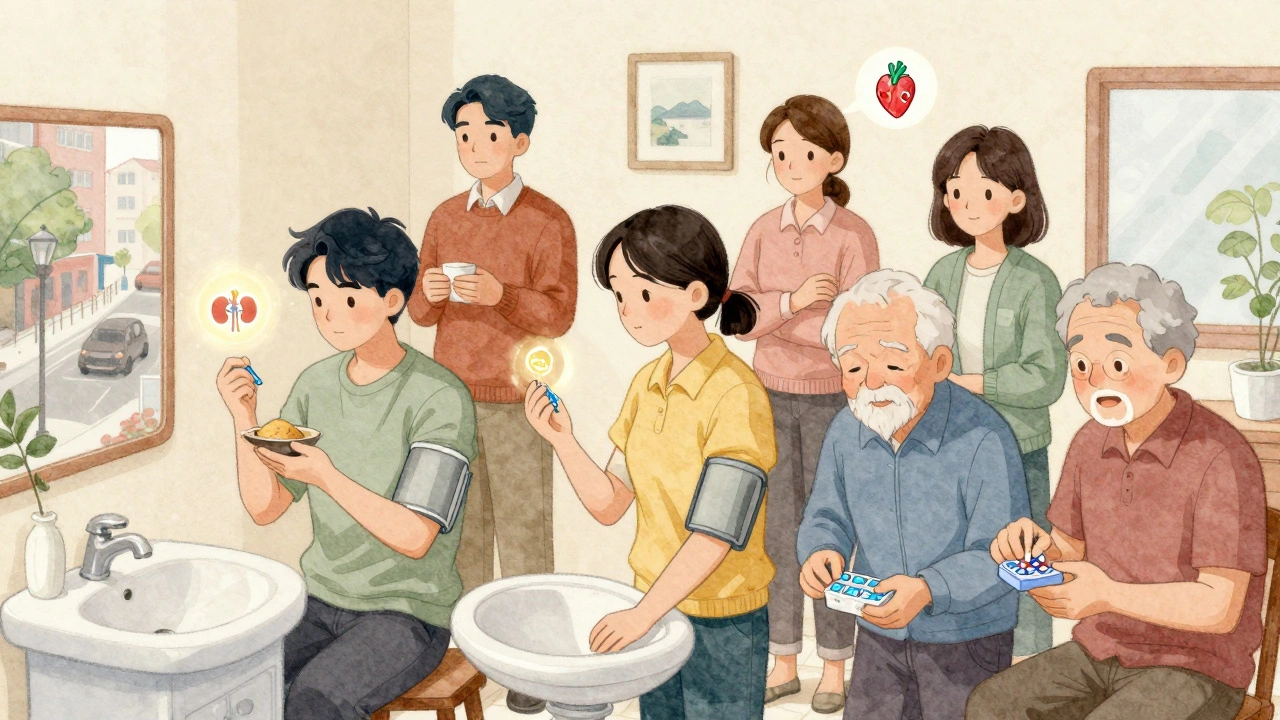
High blood pressure doesn’t come with warning signs. You might feel fine, but your arteries are under constant strain. Left untreated, it can lead to heart attack, stroke, or kidney failure. That’s why millions of people take blood pressure medications every day - not because they’re sick, but because they need to stay well. The right medicine can make all the difference. But not all meds are the same. Some work better for certain people. Some cause side effects that make you quit. And some can be dangerous if mixed with other drugs. Understanding your options isn’t just helpful - it’s life-saving.
How Blood Pressure Medications Work
Your body controls blood pressure through a mix of nerves, hormones, and fluid balance. Blood pressure meds target these systems in different ways. Some tell your kidneys to flush out extra salt and water. Others relax your blood vessels. Some slow your heart down. The goal isn’t just to lower the number on the meter - it’s to protect your heart, brain, and kidneys over time. There are about ten main classes of these drugs, but only a few are used as first-line treatments. The most common ones - thiazide diuretics, calcium channel blockers, ACE inhibitors, and ARBs - work through different paths but end up doing the same thing: reducing pressure inside your arteries. Doctors pick one based on your age, race, other health problems, and even your family history.Common Blood Pressure Medication Classes
- Thiazide diuretics like hydrochlorothiazide help your kidneys get rid of extra sodium and water. Less fluid in your bloodstream means lower pressure. These are often the first choice, especially for older adults and people of African descent.
- Calcium channel blockers such as amlodipine stop calcium from entering heart and blood vessel cells. This makes vessels relax and widen. Dihydropyridines like amlodipine are preferred because they mainly affect blood vessels, not the heart’s rhythm.
- ACE inhibitors like lisinopril block a hormone that narrows blood vessels. This lowers pressure and also helps protect kidneys, especially in people with diabetes.
- ARBs like losartan do something very similar to ACE inhibitors but block the hormone at a different point. They’re often used when ACE inhibitors cause a persistent dry cough.
- Beta-blockers such as metoprolol reduce heart rate and force of contraction. They’re not usually first-line unless you’ve had a heart attack, have heart failure, or have another condition like angina.
Other classes like alpha-blockers, vasodilators, and aldosterone blockers exist, but they’re typically reserved for complex cases or when other drugs fail.
Side Effects You Should Know
Side effects are why so many people stop taking their meds. You might think, “I feel fine, why do I need this pill?” But the side effects aren’t always obvious at first. Here’s what to watch for:- Diuretics can make you pee more often, cause low potassium, or trigger gout flares. You might feel dizzy if you stand up too fast.
- Calcium channel blockers often cause swollen ankles, flushing, headaches, or constipation (especially verapamil). Some people feel their heart pounding.
- ACE inhibitors cause a dry, hacking cough in 10-20% of users. Rarely, they can cause angioedema - swelling of the face, lips, or throat. That’s an emergency.
- ARBs rarely cause cough, but they can raise potassium levels and are dangerous during pregnancy.
- Beta-blockers can make you tired, cold, or cause trouble sleeping. For diabetics, they can hide the warning signs of low blood sugar - like shaking or a fast heartbeat.
- Alpha-blockers like doxazosin can cause a sudden drop in blood pressure when standing, leading to fainting.
Some side effects are mild and go away after a few weeks. Others don’t. If you’re struggling with a side effect, don’t quit cold turkey. Talk to your doctor. There’s almost always another option.
Who Gets Which Medication?
There’s no one-size-fits-all approach. Your doctor doesn’t just pick a drug randomly. They consider your whole picture.For example:
- If you’re Black and have high blood pressure, thiazide diuretics or calcium channel blockers are usually more effective than ACE inhibitors or ARBs.
- If you have diabetes and kidney disease, an ACE inhibitor or ARB is preferred - they slow kidney damage better than other drugs.
- If you’ve had a heart attack, a beta-blocker like metoprolol is often added to reduce the chance of another one.
- If you’re over 65, doctors start with lower doses. Older bodies process drugs slower, and you’re more likely to get dizzy or fall.
- If you’re pregnant, only methyldopa or labetalol are considered safe. ACE inhibitors and ARBs can harm the baby’s kidneys and cause birth defects.
Even your lifestyle matters. If you drink alcohol regularly, some meds like diuretics can make dehydration worse. If you’re on NSAIDs like ibuprofen for arthritis, they can cancel out the effect of ACE inhibitors and raise your kidney risk.
Combination Therapy: Why Two Meds Are Often Better
About 70% of people with high blood pressure need more than one medication to reach their goal. That’s not a failure - it’s normal.Modern guidelines now recommend starting with two drugs at once if your blood pressure is over 140/90. That’s because high pressure damages your organs quickly, and waiting to add a second drug can cost you time - and health.
The most common combos are:
- ACE inhibitor + thiazide diuretic
- ARB + calcium channel blocker
- Calcium channel blocker + diuretic
These pairings work well because they target different systems. One reduces fluid, another relaxes vessels. Together, they lower pressure more effectively and often with fewer side effects than doubling a single drug.
Safety Risks and What to Avoid
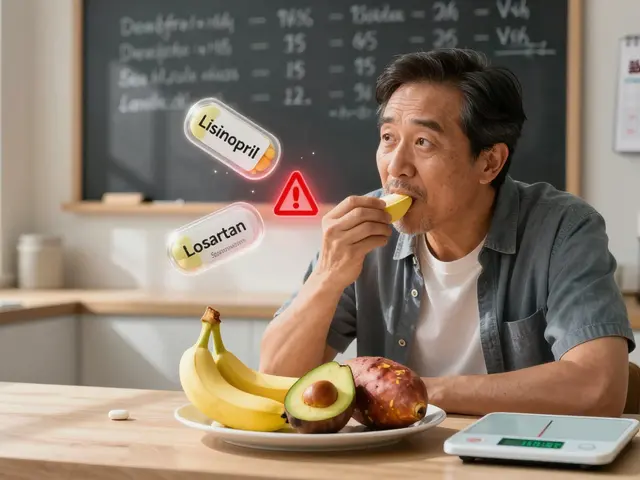
Some combinations can be dangerous. Here’s what you must never do:- Don’t mix ACE inhibitors and ARBs. This doesn’t help - it increases the risk of kidney failure and dangerously high potassium levels.
- Avoid NSAIDs like ibuprofen or naproxen if you’re on ACE inhibitors, ARBs, or diuretics. They can cause sudden kidney injury, especially in older adults.
- Never stop a beta-blocker suddenly. Stopping cold turkey can trigger a heart attack or severe spike in blood pressure. Always taper under medical supervision.
- Watch for interactions with other meds. Some antidepressants, decongestants, and herbal supplements (like licorice root) can raise blood pressure or interfere with your meds.
The FDA requires black box warnings on ACE inhibitors and ARBs because of fetal harm. If you’re planning a pregnancy or think you might be pregnant, tell your doctor immediately. There are safe alternatives.
Adherence: The Biggest Challenge
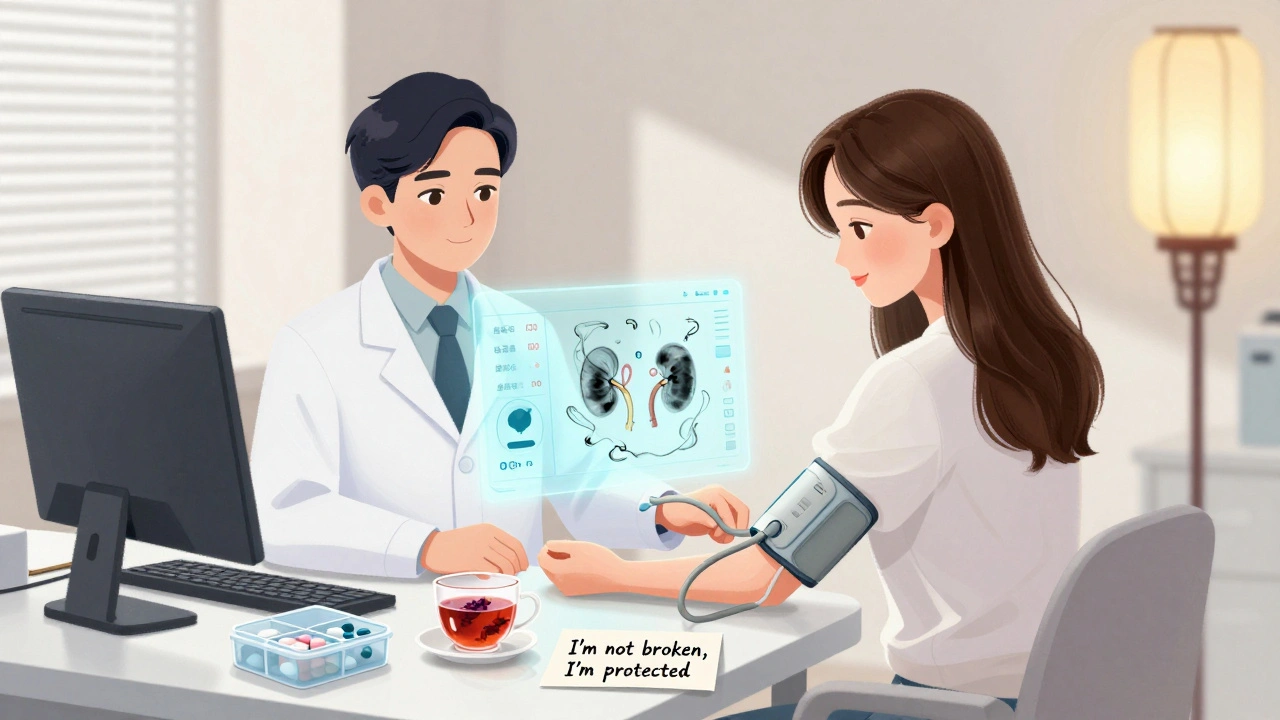
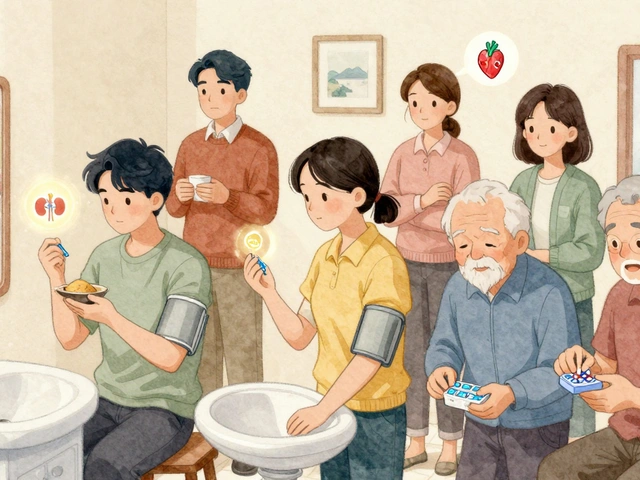
Here’s the hard truth: about half of people stop taking their blood pressure meds within a year. Why? Because they don’t feel sick. Because they forget. Because they’re embarrassed to take pills in public. Or because they got a side effect and didn’t know what to do.High blood pressure is silent. You won’t feel better when you start the medicine - you’ll just stay the same. That’s the point. But if you skip doses, you’re rolling the dice.
Ways to stay on track:
- Use a pill organizer with alarms.
- Link taking your pill to a daily habit - like brushing your teeth.
- Ask your doctor about combination pills that pack two drugs in one tablet.
- Track your blood pressure at home. Seeing the numbers drop can be motivating.
Studies show that people who use apps to remind them and log their readings have 15-20% better adherence. That’s not just convenience - it’s prevention.
What’s Next for Blood Pressure Treatment?
The future of blood pressure care is getting smarter. Researchers are studying how your genes affect how you respond to different drugs. Some people metabolize beta-blockers faster. Others respond better to calcium channel blockers based on their DNA. In the next 5-10 years, we may see blood pressure treatment guided by genetic testing.Digital tools are already here. Smart blood pressure cuffs that sync with your phone, AI-driven apps that adjust your meds based on trends, and wearable monitors are becoming more common. These aren’t sci-fi - they’re helping people stay on track.
And the treatment goals are evolving. The SPRINT trial showed that lowering systolic pressure below 120 mmHg in high-risk patients cuts heart attacks and strokes even further. But it’s not for everyone. It increases side effects like dizziness and fainting. That’s why your doctor needs to tailor your target - not just follow a number on a chart.
Final Thoughts
Blood pressure medication isn’t a sign of weakness. It’s a tool. Like glasses for your eyes or insulin for your pancreas. You don’t take it because you’re broken. You take it because you want to live longer, healthier, and without a stroke or heart attack.The key is finding the right one - or the right combination - for your body. Don’t settle for side effects you can’t live with. Don’t skip doses because you feel fine. And don’t assume your doctor knows everything about your experience. Speak up. Ask questions. Keep track. Your life depends on it.
Can I stop taking my blood pressure medication if my numbers are normal?
No. Normal blood pressure while on medication means the medicine is working - not that you’re cured. Stopping suddenly can cause your pressure to spike back up, sometimes dangerously. Always talk to your doctor before making changes. In rare cases, if you lose a lot of weight, cut salt drastically, or become very active, your doctor may slowly reduce your dose - but never on your own.
Which blood pressure medication has the least side effects?
There’s no universal answer. Thiazide diuretics like hydrochlorothiazide are often well-tolerated in older adults, but they can cause low potassium or gout. ARBs like losartan tend to have fewer side effects than ACE inhibitors because they don’t cause cough. Calcium channel blockers are good for most people but can cause swollen ankles. The best medication is the one that works for you without causing problems you can’t handle. It often takes trying one or two to find out.
Do blood pressure meds damage your kidneys?
Most actually protect your kidneys - especially ACE inhibitors and ARBs. But certain combinations can harm them. Mixing ACE inhibitors or ARBs with NSAIDs (like ibuprofen) or taking too many diuretics can cause sudden kidney injury. Regular blood tests for kidney function and potassium levels are essential, especially if you’re on these drugs long-term. Your doctor should monitor this every 3-6 months.
Why do I get dizzy when I stand up?
This is called orthostatic hypotension. It’s common with alpha-blockers, diuretics, and sometimes ACE inhibitors. When you stand, blood pools in your legs, and your body doesn’t react fast enough to keep pressure up. To reduce it: stand up slowly, drink enough water, avoid alcohol, and don’t take your dose right before getting up. If it’s frequent or causes falls, tell your doctor - your dose may need adjusting.
Are natural remedies like garlic or hibiscus tea enough to replace meds?
They may help lower blood pressure a little - but not enough to replace prescribed medication for moderate to severe hypertension. Garlic, hibiscus tea, beetroot juice, or magnesium supplements can be useful as extras, not substitutes. If you’re thinking of switching, talk to your doctor first. Stopping meds for unproven remedies can put you at serious risk.
Can I drink alcohol while on blood pressure medication?
Moderate alcohol - one drink a day for women, two for men - is usually okay. But heavy drinking raises blood pressure and can make some meds less effective. Alcohol also worsens dizziness from diuretics or alpha-blockers. If you drink regularly, your doctor may need to adjust your dose. Always be honest about your habits - it affects your treatment plan.



I've been on amlodipine for 5 years and my BP is finally stable. The only downside is swollen ankles but I just wear compression socks now. No more dizziness when I get up. Honestly? Worth it.
Also never mix with ibuprofen. Learned that the hard way after a trip to the ER.
High blood pressure is not a disease-it's a signal. Your body is screaming for balance. Medication is a bandage, not a cure. True healing comes from diet, movement, sleep, and stillness. I’ve seen people reverse hypertension with just 30 minutes of walking and cutting sugar. The pills help, yes. But they’re not the hero. You are.
Everyone’s so obsessed with pills. You know what fixes BP? Stop eating processed crap. Stop drinking soda. Stop being lazy. Diuretics? ACE inhibitors? You’re treating the symptom because you won’t fix the cause. Your doctor’s just making money off your bad habits.
i took losartan and got a cough so bad i thought i had covid 😅 turned out it was the med. switched to amlodipine and boom no cough. life changed. also dont skip doses just bc you feel fine. you feel fine BECAUSE of the pill lol
My mom died from a stroke because she stopped her meds. She said she felt fine. She wasn’t.
I think people don’t realize how silent hypertension is. You don’t feel it until it’s too late. I used to think if I didn’t have a headache or feel anxious, my blood pressure was fine. That’s not how it works. It’s like having a slow leak in your car tire-you don’t notice until the wheel falls off. That’s why I started checking mine at home every morning with my smart cuff. Seeing the numbers drop slowly, day by day, made me actually care. I’m on a combo now-losartan and HCTZ-and I take it right after brushing my teeth. Habit stacking. It works. I’ve been stable for 18 months. I didn’t know I needed this until I started tracking. It’s not about being sick. It’s about staying well. And that takes consistency, not willpower.
Genetic testing for BP meds? Bro. We’re basically wizards now. 🧙♂️✨
The pharmacokinetic variability across ethnic groups is non-trivial. African descent populations exhibit reduced renin activity, hence ACE inhibitors are less efficacious as monotherapy. Thiazides and CCBs demonstrate superior outcomes in this cohort per JNC8 guidelines. Also, NSAID co-administration induces nephrotoxicity via afferent arteriolar vasoconstriction. Monitor eGFR and K+ levels religiously.
took my meds yesterday and forgot today. felt kinda weird. not dizzy just… off. like my body was like hey where’s the chill pill? 😅 guess i’ll set a reminder now
I work in a clinic and I’ve seen so many people stop their meds because they think they’re cured. One woman cried because she said her doctor told her she was "normal" now and she thought she didn’t need it anymore. I had to explain that normal is because of the medicine. It’s not magic. It’s maintenance. Like glasses. Or insulin. She got it after that. Please don’t let anyone feel ashamed for needing help to stay healthy.
Oh so now we’re medicating normal life? Next thing you know we’ll be giving people pills to stop feeling sad because they didn’t get enough likes. Grow up. Your blood pressure is high because you eat like a garbage disposal and sit like a corpse. Fix your life. Not your pills.
I want to emphasize the importance of adherence. It is not merely a recommendation; it is a critical component of preventive cardiovascular medicine. Non-adherence contributes significantly to preventable morbidity and mortality. The psychological barrier-feeling well, hence feeling invincible-is precisely the trap. One must internalize that the absence of symptoms is not evidence of health, but rather evidence of therapeutic efficacy. Please, for the love of your future self, do not discontinue. Consult. Adjust. Persist.
my dad take this medicine for 10 year. he eat better, walk every day, now his number is good. but he still take it. he say if he stop, the bad number come back fast. so he keep taking. simple. no drama