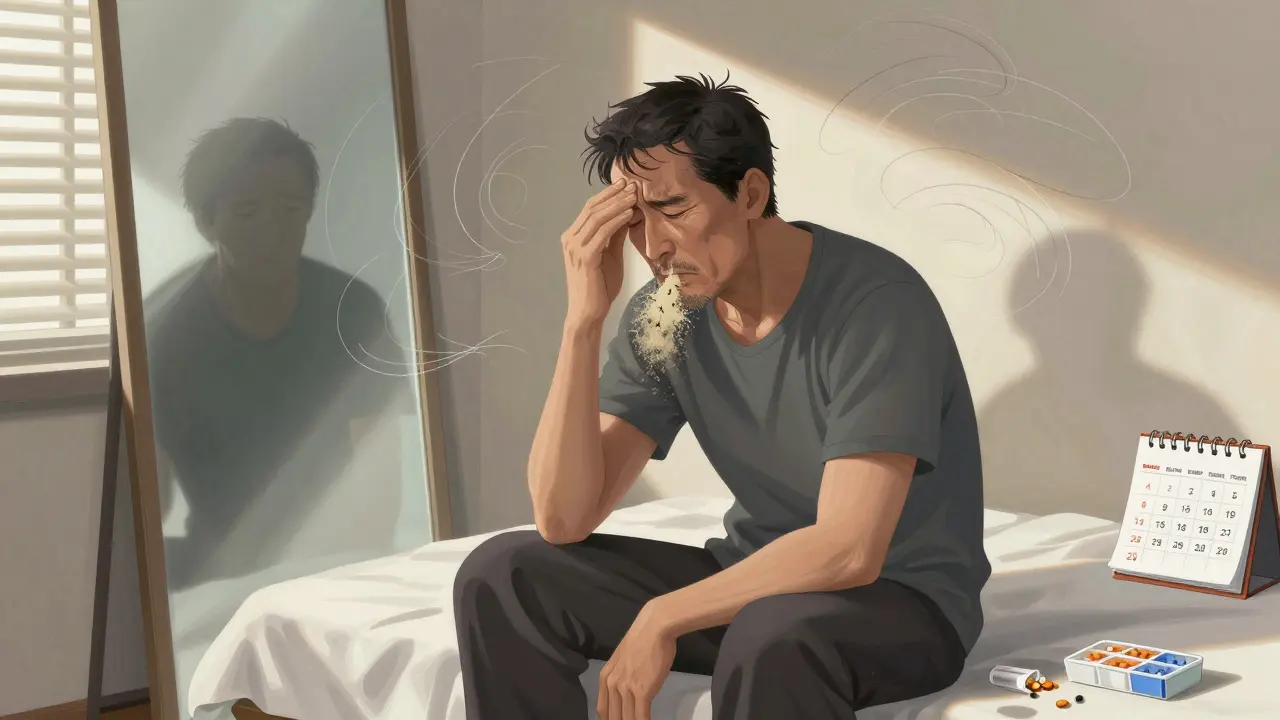
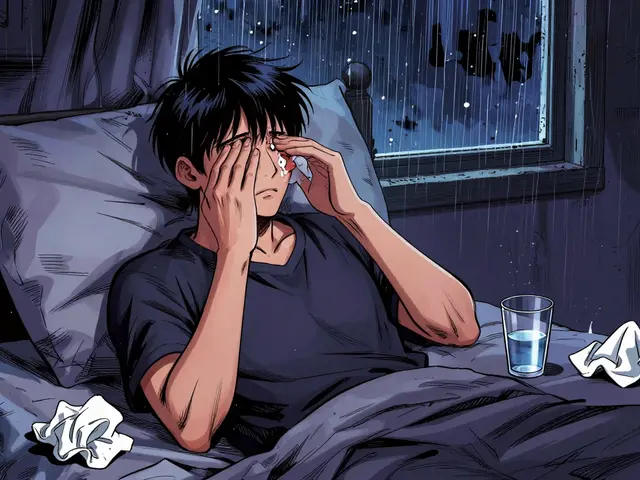
You’ve been told to take your blood pressure pill every morning. But after a week of dizziness and a dry mouth that feels like sandpaper, you start skipping doses. Not because you don’t care-because you do. You just can’t keep going like this.
This isn’t rare. Around half of all people taking long-term medications don’t take them as prescribed. And the biggest reason? Side effects. Not forgetfulness. Not cost. Not rebellion. Just plain, uncomfortable, sometimes scary physical reactions that make the medicine feel worse than the illness.
It’s not about being lazy. It’s about survival instinct. If your body feels worse after taking the pill, your brain says: Stop. And that’s exactly what happens-millions of times a day.
Why Side Effects Break Adherence
Medication adherence means taking the right dose, at the right time, for as long as needed. The World Health Organization says 30% to 50% of patients don’t do this. And recent data from 2025 confirms it hasn’t improved.
Here’s how it breaks down:
- 4% to 31% of people never even fill their first prescription because they’re scared of side effects.
- Of those who start, 18% to 34% stop filling the second refill.
- By the time you’re six months in, only 25% to 30% are still taking it exactly as ordered.
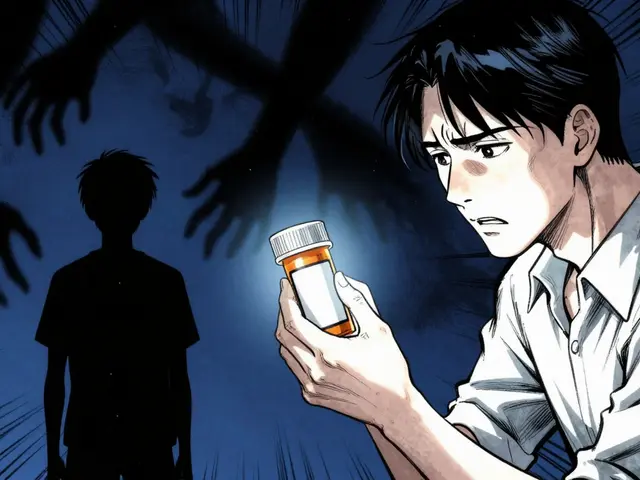
That’s not just a number. That’s someone skipping their statin because of muscle pain. Someone stopping their antidepressant because they feel numb. Someone with diabetes skipping insulin because it gives them nausea. Each skipped dose adds up-and the consequences are real.
Up to 125,000 deaths each year in the U.S. alone are linked to people not taking their meds. And nearly 70% of medication-related hospital stays happen because someone stopped-or changed-treatment without telling their doctor.
The Silent Gap: Side Effects Aren’t Documented
Here’s the twist: patients often tell their doctors about side effects. But doctors don’t always write them down. Pharmacists? Even less likely. One 2025 study found only 52% of pharmacists documented nonadherence, compared to 85% of nurses.
Why does that matter? Because if no one records it, no one acts on it. You mention your headaches from the beta-blocker, and your doctor nods. Next visit, you’re still getting the same script. No adjustment. No alternative. No conversation.
Side effects aren’t just annoyances-they’re signals. And if those signals get ignored, the treatment plan breaks.
What Works: Real Fixes That Help People Stay on Track
There’s good news. We know what helps. And it’s not just alarms on your phone or fancy pill boxes.
The most effective fix? Pharmacist-led interventions. When a pharmacist sits down with you-not just to hand over pills, but to talk about how you’re feeling-they can turn things around.
Here’s what happens when they do:
- Adherence jumps by up to 40% in just 90 days.
- Face-to-face consultations work best-83% success rate.
- When pharmacists help adjust doses or switch meds because of side effects, adherence hits 89% vs. 74% with usual care.
That’s not magic. That’s listening. That’s asking: What’s actually happening when you take this?
One patient in Durban, on blood thinners, stopped taking them because of bleeding gums. Her doctor didn’t know. Her pharmacist did. They switched her to a different anticoagulant with fewer oral side effects. She’s been on it for 18 months now. No more bleeding. No missed doses.
Other proven strategies:
- Simplify the regimen. One pill a day instead of three? Huge difference.
- Offer alternatives. If statins cause muscle pain, maybe ezetimibe or a lower dose works.
- Use data. Pharmacies can flag patients who haven’t picked up refills in 30 days-then reach out before they fall off completely.
- Pair incentives. Some programs reward patients with gift cards or reduced copays for consistent refill patterns. It works.

What Doesn’t Work
Don’t waste time on these:
- Just sending reminders. Texts and calls help a little-but only if the side effect problem is solved. If you’re dizzy, a reminder won’t fix that.
- Blaming patients. Calling someone “noncompliant” ignores the real issue: the treatment isn’t working for them.
- Assuming they forgot. Often, they didn’t forget. They chose not to take it. And that’s a choice rooted in real discomfort.
Adherence isn’t about discipline. It’s about design. If the medicine makes life harder, the system failed-not the patient.
What You Can Do Right Now
If you’re struggling to take your meds because of side effects:
- Write it down. Keep a simple log: what you took, when, and how you felt. Even a note on your phone works.
- Bring it to your next appointment. Don’t wait for them to ask. Say: “I’m having these side effects. Can we talk about other options?”
- Ask to speak with the pharmacist. They’re trained for this. They can suggest timing changes, over-the-counter fixes, or alternative drugs.
- Don’t stop cold. Some meds need to be tapered. Stopping suddenly can be dangerous.
If you’re a caregiver or family member:
- Don’t just ask, “Are you taking your pills?” Ask, “How are you feeling since you started them?”
- Help track refills. Set calendar alerts. Go with them to the pharmacy.
The Bigger Picture: Why This Matters Beyond Your Medicine Cabinet
This isn’t just about your health. It’s about the whole system.
Hospitals lose money when patients come back because their blood pressure spiked or their diabetes got out of control. Insurance plans get lower Star Ratings if adherence is poor. Pharmacies lose revenue when scripts aren’t filled. Everyone loses.
But when adherence improves, outcomes improve. One study showed patients who stuck with their meds had LDL cholesterol levels 33.6 points lower than those who didn’t. That’s not a small win-that’s a life saved.
And here’s the quiet truth: the best medicine in the world doesn’t work if you don’t take it. And the most expensive drug in the world is the one you never start.
Looking Ahead: AI and Personalized Care
The future isn’t just about more pills. It’s about smarter support.
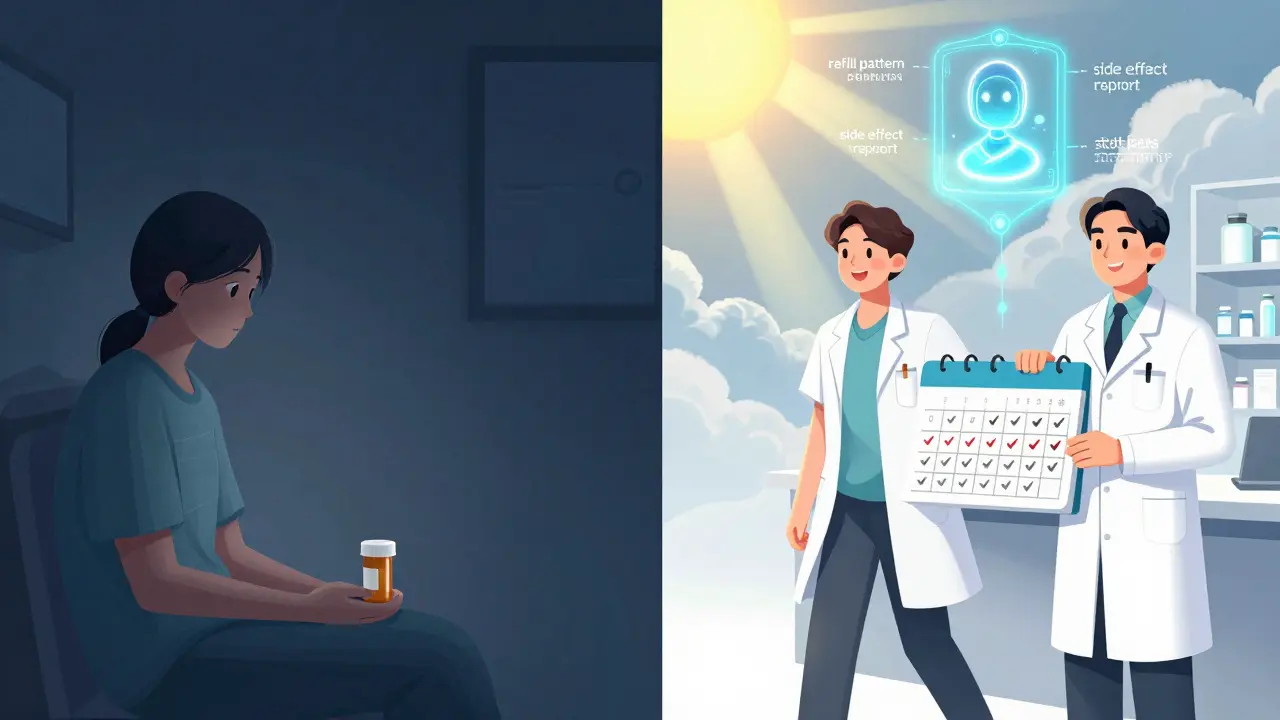
Some pharmacies are now using AI to predict who’s at risk of dropping off based on refill patterns, side effect reports, and even weather data (yes, cold snaps affect joint pain, which affects mobility, which affects pill-taking). When the system flags someone, a pharmacist reaches out-not with a script, but with a question: “How’s the nausea?”
That’s the shift: from passive distribution to active care.
Side effects aren’t a bug in the system. They’re a feature we’ve ignored for too long. And fixing them isn’t about convincing people to be better patients. It’s about making the treatment fit the person-not the other way around.
Why do so many people stop taking their medication even when they know it’s important?
Most people don’t stop because they’re careless-they stop because the side effects feel worse than the condition. Dizziness, nausea, fatigue, or even emotional numbness can make daily life harder. If taking your pill makes you feel worse, your body and mind naturally resist it. This isn’t weakness; it’s a survival response. The real issue isn’t motivation-it’s whether the treatment plan accounts for how the person actually feels.
Can side effects be managed without stopping the medication?
Yes, often. Many side effects can be reduced by changing the time you take the pill, lowering the dose, adding a supportive medication (like an anti-nausea drug), or switching to a similar but better-tolerated drug. For example, if a blood pressure med causes dry cough, switching to an ARB instead of an ACE inhibitor often solves it. A pharmacist can help you explore these options without risking your health.
How do I know if my side effects are serious enough to call my doctor?
Call your doctor if you have chest pain, trouble breathing, swelling in your face or throat, sudden confusion, severe dizziness, or unusual bleeding. For less urgent symptoms-like mild nausea, dry mouth, or tiredness-keep a log and bring it to your next visit. Don’t wait until you’re in crisis. Early discussion means more options.
Why won’t my doctor just change my medication?
Sometimes they don’t know how bad it is. Patients often don’t mention side effects because they think it’s normal or they don’t want to seem difficult. Other times, the doctor assumes the side effect will fade over time. But if it’s been more than two weeks and you’re still struggling, speak up. Bring your symptom log. Ask: “Is there another option that might work better for me?”
Is it okay to skip doses if I feel fine?
No. Many conditions like high blood pressure, high cholesterol, or depression don’t cause symptoms when they’re under control. That doesn’t mean the medicine isn’t working-it means it’s working. Skipping doses lets the condition creep back, and you may not notice until it’s too late. Always talk to your provider before making changes, even if you feel okay.
Can pharmacists really help with side effects?
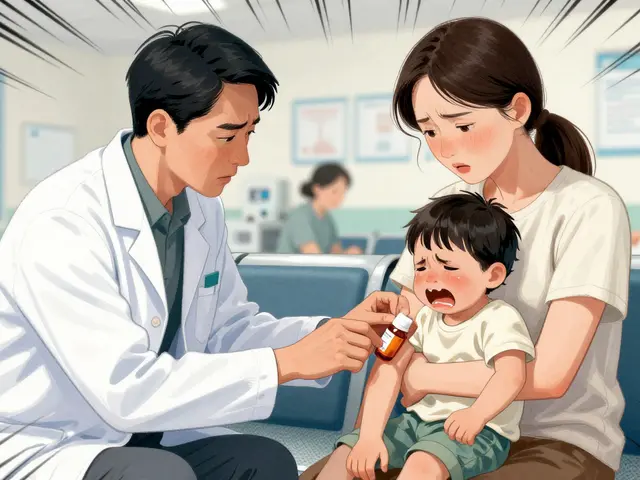
Yes-more than most people realize. Pharmacists are trained to spot drug interactions, adjust dosing, recommend over-the-counter fixes, and suggest alternative medications. Many pharmacies now offer free 15-minute consultations just to talk about side effects. Ask for one. It’s free, confidential, and could change your treatment entirely.
What if I can’t afford my medication because of side effects?
Cost and side effects often go hand-in-hand. If you’re skipping doses because you can’t afford it, tell your pharmacist. Many drug manufacturers offer patient assistance programs. Some pharmacies have discount cards or generic alternatives. You don’t have to choose between your health and your budget. There are solutions-just ask.

Been there. Took my statin for two weeks, felt like a zombie walking through molasses. Stopped cold. Turns out my doc didn’t even know I quit. Pharmacist called me three weeks later like ‘hey, you good?’ and we switched me to ezetimibe. No brain fog. No muscle ache. Just me, alive again.
My grandma took her blood pressure med for 12 years, never missed a day. Then she started getting dizzy every morning. She stopped taking it. Didn’t tell anyone. Ended up in the ER. We found out later she thought it was ‘just aging.’ We need better conversations, not just pills.
pharmacists are the real MVPs here no cap
my sister was on antidepressants that made her feel like a robot
pharmacist asked her how she felt during a refill and swapped her meds in 10 minutes
she cried in the parking lot because she felt human again
why do we treat pharmacists like order fillers
Let me guess-Big Pharma doesn’t want you to talk to your pharmacist because then you’d find out their drugs are just expensive placebos with side effects engineered to keep you coming back.
They don’t care if you live or die, they care if you refill. That’s why your doctor never asks how you’re *really* doing. They’re paid by the script, not by your health.
AMERICA NEEDS TO STOP BEING SO WEAK 😤
My grandpa took chemo and still went to work every day. You got a dry mouth? Suck it up. This is why we’re losing the war on chronic disease. People want comfort, not cure. 🇺🇸💪
If you can’t follow basic medical advice, maybe you shouldn’t be on medication at all. This isn’t a democracy. Your body doesn’t get to vote on whether the pill works. If you’re too lazy to take your meds, don’t blame the system. Blame yourself.
The 40% adherence increase from pharmacist interventions? That’s not because they’re magical. It’s because they’re incentivized. Pharmacies get paid by the refill. The real problem is systemic misalignment. The healthcare system rewards volume, not outcomes. Fix the payment model, not the patient.
I used to think skipping meds was just laziness. Then my dad had a stroke because he stopped his blood thinner. He didn’t forget-he was scared of the bruising. We didn’t know until it was too late. Talk to your people. Even if it’s awkward. It matters.
Interesting how the article blames the system but offers no structural critique. The real issue isn’t side effects-it’s the commodification of care. When your pharmacist has 12 patients per hour and zero time to listen, of course adherence collapses. This isn’t a medical problem. It’s a capitalist one.
Side effects aren’t bugs-they’re signals. Your body’s screaming, ‘this ain’t right!’ and we treat it like a glitch in the app. We’ve turned medicine into a checklist, not a conversation. Imagine if your car’s check engine light made you feel guilty for noticing it. That’s where we are.
Pharmacists? They’re the only ones still holding the flashlight in the dark.
Let’s deconstruct the epistemological framework of pharmaceutical adherence: the Cartesian dualism between mind and body is weaponized by biomedicine to pathologize somatic resistance. The patient’s embodied experience-the dizziness, the dry mouth, the existential nausea-is reduced to a compliance metric. We’re not failing to adhere; we’re resisting the ontological violence of pharmacological hegemony.
Until we recognize that the pill is not a neutral tool but a sociopolitical instrument of normative control, we’re just rearranging deck chairs on the Titanic of capitalist healthcare. The real question isn’t ‘how do we improve adherence?’-it’s ‘why should we?’
My doctor didn’t know I stopped my med. My pharmacist did. She called me. We switched. I’m fine now. Simple.