
Your body is trying to tell you something, but it’s whispering instead of shouting. Prediabetes is a metabolic condition where blood glucose levels are higher than normal but not yet high enough for a type 2 diabetes diagnosis. It serves as a critical window for intervention before permanent damage occurs. Most people walk around with it completely unaware. In fact, more than 80% of individuals with prediabetes don’t know they have it because, for a long time, there are no obvious symptoms. But that silence can be deceptive. Without action, 15-30% of people progress to full-blown type 2 diabetes within five years. The good news? This stage is reversible. With the right moves, you can turn back the clock on your metabolism.
The Hidden Numbers: How Doctors Define Prediabetes
You won't feel prediabetes in most cases, which is why relying on feelings is a risky strategy. Diagnosis happens in a lab, not in a mirror. The American Diabetes Association (ADA) formally defined these thresholds in 2002 to help catch this condition early. To be diagnosed with prediabetes, your numbers must fall into specific ranges:
- Fasting Plasma Glucose: Between 100 and 125 mg/dL (5.6-6.9 mmol/L).
- Hemoglobin A1C: Between 5.7% and 6.3%. This test reflects your average blood sugar over the past three months.
- Oral Glucose Tolerance Test: A level of 140-199 mg/dL (7.8-11.0 mmol/L) two hours after drinking a sugary solution.
If your results land in these zones, your body is struggling to manage insulin effectively. Insulin resistance is the core issue here-your cells aren't responding properly to the hormone that unlocks them for energy. This forces your pancreas to work overtime, eventually leading to burnout if left unchecked. Regular screening is vital, especially if you are over 35 or have a BMI of 25 or higher.
| Condition | Fasting Glucose (mg/dL) | A1C Level (%) |
|---|---|---|
| Normal | Less than 100 | Below 5.7 |
| Prediabetes | 100 - 125 | 5.7 - 6.3 |
| Type 2 Diabetes | 126 or higher | 6.4 or higher |
Subtle Warning Signs You Might Be Missing
While doctors say prediabetes is often symptom-free, your body does send subtle distress signals when glucose starts spiking. If you notice these changes, don't ignore them. They are physiological clues that your kidneys and nerves are under stress.
Unquenchable Thirst and Frequent Urination
When blood sugar rises above the renal threshold of 180 mg/dL, your kidneys can't reabsorb all the glucose. They dump the excess into your urine, pulling fluids from your tissues along with it. This leads to dehydration, triggering intense thirst. If you find yourself drinking more than 3 liters of water a day without exercising, or hitting the bathroom more than eight times in 24 hours, pay attention.
Skin Changes: Acanthosis Nigricans
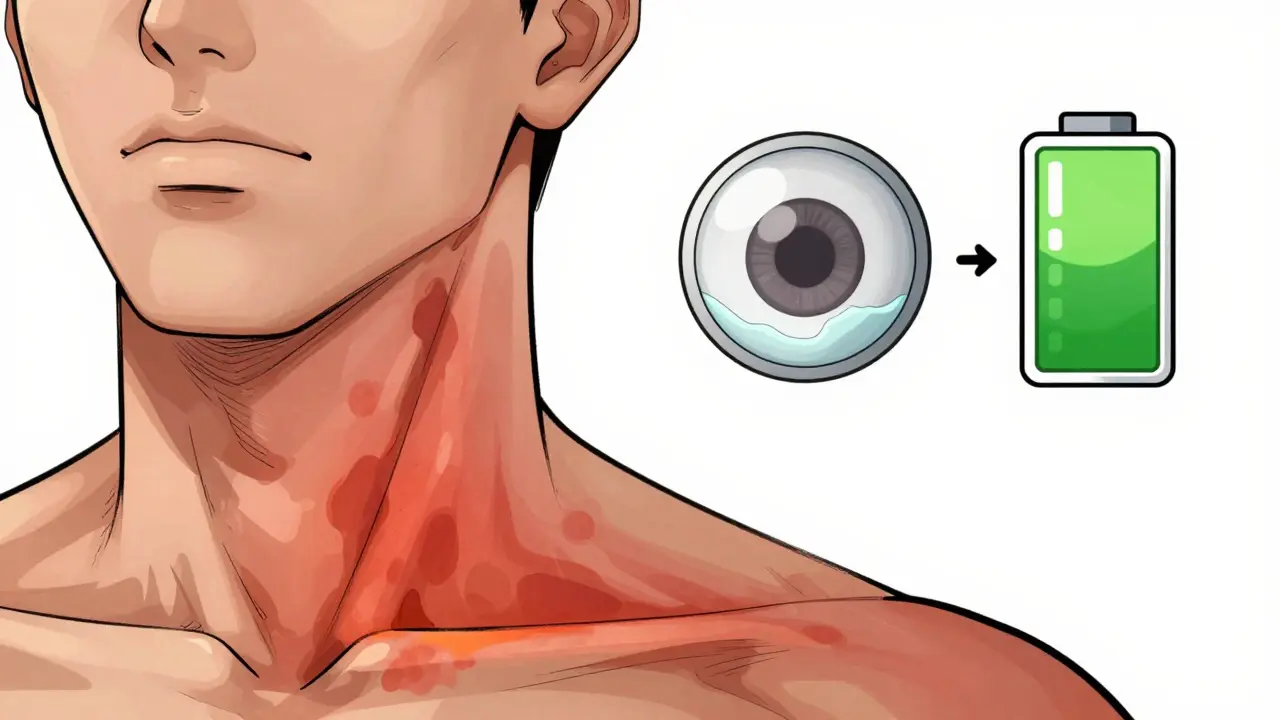
Have you noticed dark, velvety patches on your neck, armpits, or groin? This condition, known as Acanthosis Nigricans, is a skin condition characterized by darkened, thickened areas caused by insulin resistance. It’s not just dirt; it’s a direct visual marker of high insulin levels stimulating skin cell growth. If scrubbing doesn't remove it, see a doctor.
Blurred Vision
High blood sugar causes fluid to shift into the lens of your eye, causing it to swell and change shape. This osmotic swelling blurs your vision. It might come and go as your sugar levels fluctuate, but it’s a sign that your glucose control needs immediate attention.
Persistent Fatigue and Hunger
Even after eating, do you feel drained? When your cells can't access glucose due to insulin resistance, they starve for energy. This leads to fatigue (energy levels dropping below 5 on a 10-point scale) and increased hunger. Your body is screaming for fuel, but the delivery system is broken.
The Reversal Blueprint: Evidence-Based Lifestyle Changes
Diagnosing prediabetes isn't a life sentence; it's a wake-up call. The landmark Diabetes Prevention Program (DPP) study proved that lifestyle changes are more effective than medication in preventing type 2 diabetes. Participants who lost just 7% of their body weight and exercised moderately reduced their risk of developing diabetes by 58%. Here is how you replicate those results.
1. Strategic Weight Loss
You don't need to lose 50 pounds to make a difference. Losing 5-7% of your total body weight significantly improves insulin sensitivity. For a 200-pound person, that’s only 10-14 pounds. Focus on sustainable habits rather than crash diets. Aim for a caloric deficit of 500-750 calories per day through diet and activity.
2. Move Your Body Daily
Exercise acts like medicine for your muscles. When you move, your muscle cells take up glucose without needing as much insulin. The goal is 150 minutes of moderate-intensity activity per week. That breaks down to just 30 minutes a day, five days a week. Brisk walking, cycling, or swimming counts. Add strength training twice a week to build muscle mass, which burns more glucose at rest.
3. Rethink Your Plate
Not all carbs are created equal. Swap refined carbohydrates (white bread, pasta, sugary drinks) for complex carbs rich in fiber. Fiber slows down sugar absorption. Think leafy greens, legumes, whole grains, and berries. The Mediterranean diet, rich in olive oil, nuts, and fish, has shown strong results in reversing prediabetes in clinical trials like PREDIMED-PLUS.

Navigating Common Pitfalls and Challenges
Starting is easy; sticking with it is hard. The CDC notes that 30-40% of people drop out of lifestyle programs, mostly due to time constraints and difficulty maintaining dietary changes. Here is how to stay on track:
- Start Small: Don't overhaul your entire life overnight. Add one vegetable to dinner. Walk for 10 minutes after lunch. Build momentum gradually.
- Track Progress: Use apps or journals to monitor food intake and activity. Digital health platforms like Omada Health show higher completion rates because they provide personalized coaching and accountability.
- Manage Stress: Chronic stress raises cortisol, which spikes blood sugar. Incorporate mindfulness, deep breathing, or yoga into your routine. Sleep matters too-aim for 7-9 hours nightly, as poor sleep worsens insulin resistance.
Why Early Action Matters Now
The stakes are high. Prediabetes affects nearly 96 million American adults. If current trends continue, one in three U.S. adults will have diabetes by 2050. But you have power over your trajectory. Every healthy choice you make today reduces inflammation, protects your nerves, and preserves your pancreatic function. You don't have to wait for symptoms to appear. Get tested. Know your numbers. And take control of your health before it controls you.
Can prediabetes be reversed completely?
Yes, prediabetes is reversible in 50-60% of cases through lifestyle modifications. Studies show that losing 5-7% of body weight and engaging in 150 minutes of weekly physical activity can return blood sugar levels to normal ranges. However, maintenance is key; reverting to old habits can cause levels to rise again.
What are the first signs of prediabetes in women?
Women may experience recurrent yeast infections (three or more annually), urinary tract infections, menstrual irregularities with cycle length variations exceeding 7 days, and vaginal dryness. These symptoms occur because high blood sugar creates an environment where yeast thrives and affects hormonal balance.
How often should I get tested for prediabetes?
The U.S. Preventive Services Task Force recommends screening every 3 years for adults aged 35-70 who are overweight or obese. If you have been diagnosed with prediabetes previously, annual screening is recommended to monitor progress and prevent progression to type 2 diabetes.
Does diet alone reverse prediabetes?
Diet is crucial, but combining it with physical activity yields the best results. While reducing caloric intake and choosing low-glycemic foods helps lower blood sugar, exercise increases insulin sensitivity independently. The most effective approach integrates both nutrition and movement.
Is prediabetes dangerous if left untreated?
Yes, untreated prediabetes significantly increases the risk of developing type 2 diabetes, heart disease, and stroke. Over 5 years, 15-30% of people with prediabetes progress to diabetes without intervention. It also contributes to nerve damage and kidney issues over time.