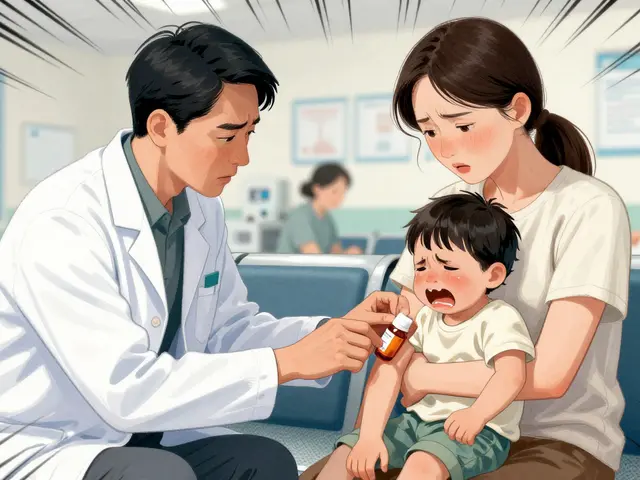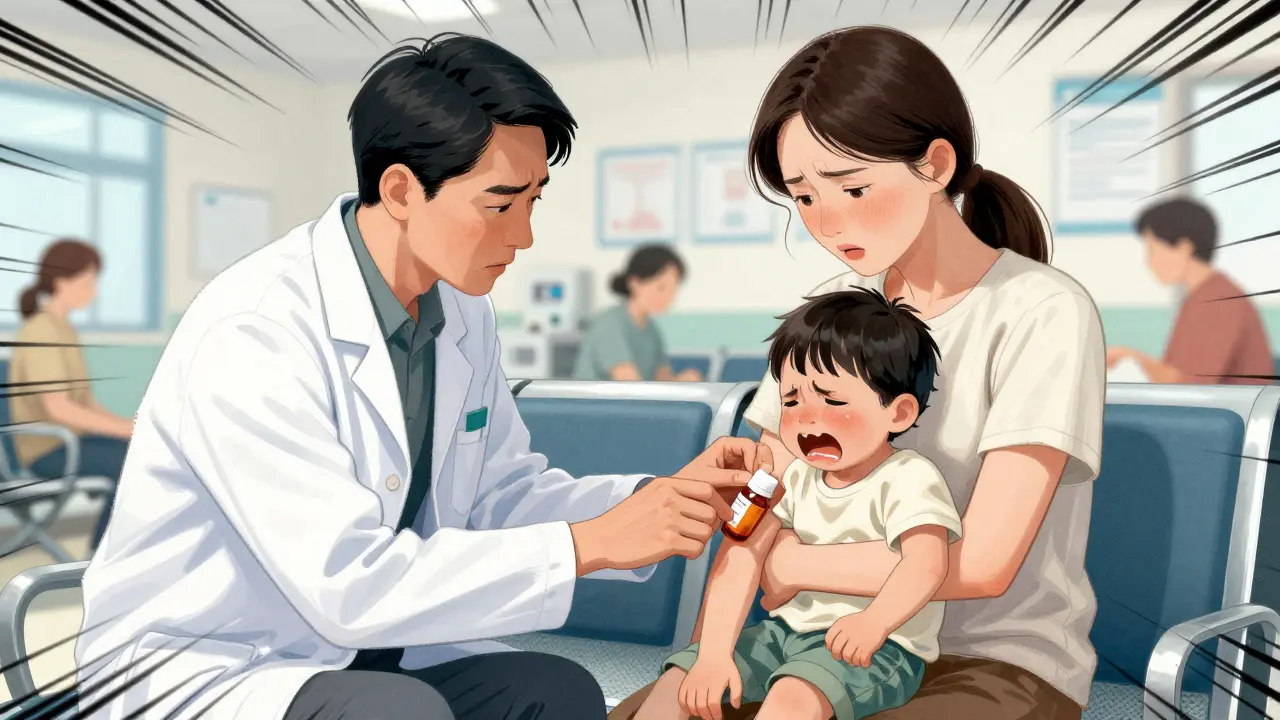
It is a common scene in any clinic waiting room. You have just finished the appointment. Your child is fussy, perhaps crying from the needle prick or simply overwhelmed by the experience. The instinct for many parents is to reach for the bottle of acetaminophen (often known by brand names like Tylenol) right then and there. The goal is simple: prevent the fever that often follows a shot and keep your little one comfortable.
However, medical guidance has shifted significantly over the last decade. Giving fever reducers before or immediately after a vaccination can actually interfere with how well the vaccine works. This creates a difficult balance for parents who want to ensure maximum protection without causing unnecessary discomfort. Understanding the precise timing and specific exceptions to this rule is crucial for modern pediatric care.
The Science Behind the Wait
To understand why timing matters, we need to look at what happens inside your child's body when they receive an injection. A vaccine introduces a weakened or inactive part of a germ into the body. This triggers the immune system to recognize the threat and build antibodies-proteins that fight off the actual disease if your child encounters it later.
This process generates heat, which is why fever is such a common side effect. It is a sign that the immune system is working hard. Research published in major medical journals, including studies cited by the Centers for Disease Control and Prevention (CDC) and the American Academy of Pediatrics, has shown that administering antipyretics prophylactically-that is, giving them before the fever starts-can blunt this immune response.
A pivotal study highlighted in The Lancet and subsequent research demonstrated that children who received preemptive doses of pain relievers had lower antibody levels compared to those who did not. Essentially, by cooling down the inflammatory response too early, you might be dampening the very mechanism the vaccine relies on to create long-term immunity. While the reduction in antibodies was statistically significant, experts note that these levels usually remained above the threshold required for protection. Still, the goal is optimal immunity, not just "good enough" immunity.
The Four-Hour Rule
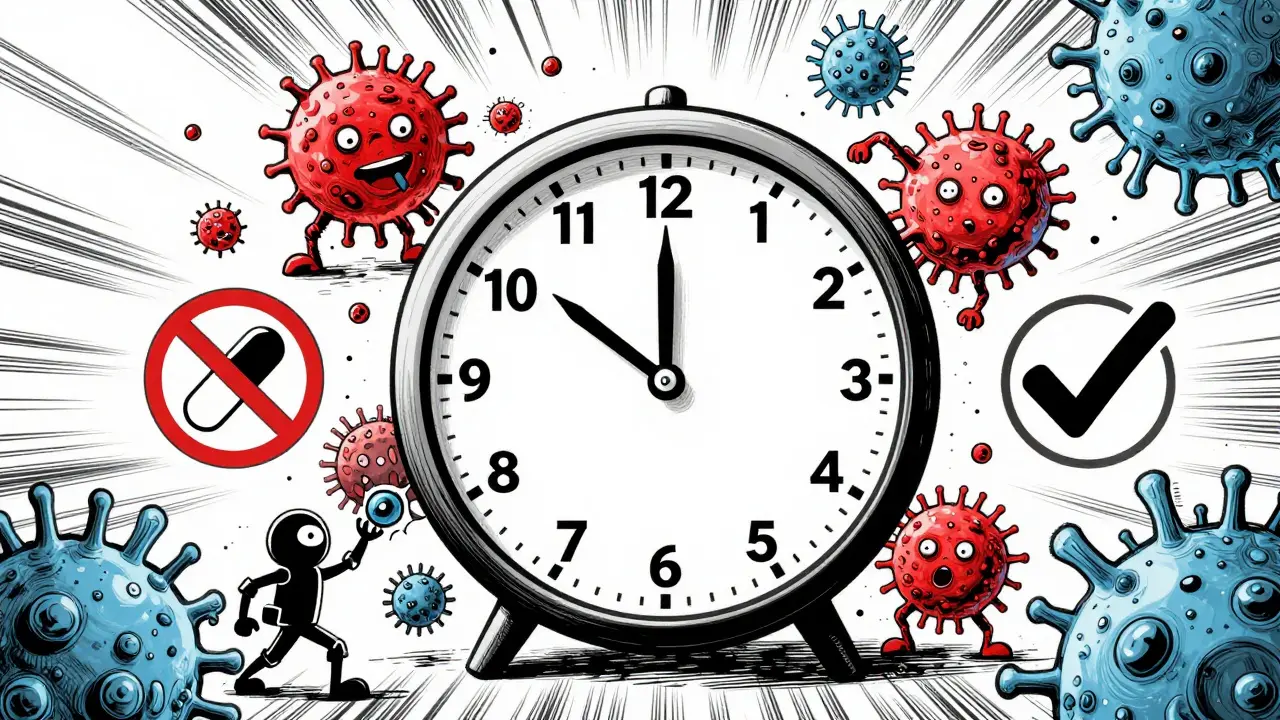
So, when is it safe to medicate? The consensus among leading health authorities points to a specific window. Most experts recommend waiting at least four hours after the vaccination before administering any fever-reducing medication unless specifically directed otherwise by your doctor.
Dr. Alanna Levine, a pediatrician known as "The Pediatrician Mom," emphasizes this point. She notes that while data can sometimes appear mixed, the safest approach is to adopt a "wait and see" strategy. If you can hold off on medication until at least four hours post-shot, you allow the initial immune activation to proceed without interference. After this four-hour mark, studies suggest that administering medication no longer negatively impacts antibody production.
This rule applies generally to most routine childhood immunizations. It allows the body to mount its primary defense response. If a fever develops after this window, treating it is considered safe and does not compromise the vaccine's effectiveness. The key is distinguishing between prevention (which is discouraged) and treatment (which is acceptable).
Exceptions to the Rule: The MenB Vaccine
Medical guidelines are rarely black and white, and there is one notable exception that parents should know about. The MenB vaccine (protecting against meningococcal group B bacteria) is known for causing higher rates of fever than other standard vaccines.
In the United Kingdom, the National Health Service (NHS) explicitly recommends administering liquid paracetamol (acetaminophen) after the MenB vaccinations given at 8 weeks and 16 weeks of age. This recommendation is unique because it acknowledges the high incidence of significant fever associated with this specific vaccine. However, even here, the medication is given after the shot, not before, to mitigate the risk of high temperatures while trying to preserve immune response as much as possible.
If you live outside the UK or follow US-based guidelines, always consult your pediatrician regarding the MenB vaccine. Practices may vary based on local health policies and individual risk assessments.
Managing Post-Vaccination Symptoms
Not every temperature rise requires medication. Understanding what constitutes a normal reaction versus something needing intervention is vital for avoiding unnecessary drug use.
| Temperature Range | Action Required | Notes |
|---|---|---|
| Normal (97-99°F / 36.1-37.2°C) | None | Monitor child's behavior and comfort. |
| Low-Grade Fever (100-102°F / 37.8-39°C) | Observation only | Do not medicate. Use non-pharmacological methods like hydration and light clothing. |
| Moderate Fever (>102°F / >39°C) | Medication allowed | Administer acetaminophen or ibuprofen if the child is uncomfortable, provided it is past the 4-hour window. |
Seattle Children's Hospital advises that fever onset typically occurs within 12 hours of vaccination and lasts for 1 to 2 days. For low-grade fevers, medication is often unnecessary and may even hinder the body's natural processes. Instead, focus on keeping your child hydrated and dressed in lightweight clothing. Over-bundling can trap heat and make the fever feel worse.
If the temperature exceeds 102°F (39°C) and your child appears miserable, irritable, or lethargic, it is time to consider medication. Remember the golden rule: wait at least four hours after the shot before giving the first dose.
Safe Dosing and Age Restrictions
When you do decide to administer medication, accuracy is paramount. Using the wrong dose or the wrong type of medication can lead to serious health risks.
Acetaminophen (Tylenol): This is generally the first line of defense for infants. However, it should not be used in infants younger than 12 weeks without explicit direction from a healthcare provider. For older infants and children, the typical dosing frequency is every 4 to 6 hours as needed. Never exceed four doses in a 24-hour period.
Ibuprofen (Advil, Motrin): Ibuprofen is another effective antipyretic but comes with stricter age limits. It should not be given to infants under 6 months of age (some sources say 12 weeks, so check with your doctor). Like acetaminophen, it is administered every 6 to 8 hours, with a maximum of four doses per day.
Dosing is weight-based, not just age-based. A heavier infant may require a different volume than a lighter one of the same age. Always use the syringe or cup that comes with the medication to ensure precision. Household spoons are notoriously inaccurate and can lead to under- or overdosing.
A Critical Warning: Never give aspirin to children or teenagers recovering from viral infections or vaccinations. Aspirin use in this demographic is linked to Reye syndrome, a rare but life-threatening condition that causes swelling in the liver and brain. Stick strictly to acetaminophen or ibuprofen.
Non-Pharmacological Comfort Measures
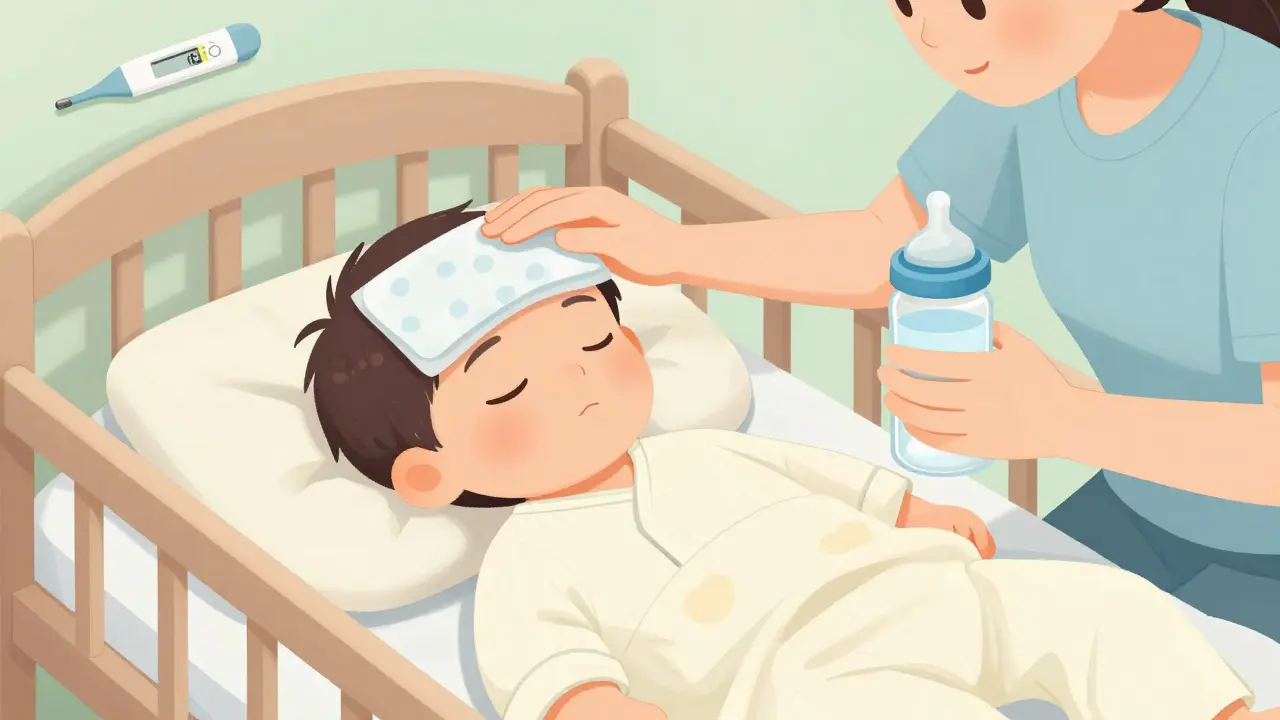
Before reaching for the medicine cabinet, consider simple comfort measures that can soothe a post-vaccination child without interfering with their immune system.
- Hydration: Offer frequent breastfeeds, formula, or water (if age-appropriate). Fever increases fluid loss, and staying hydrated helps regulate body temperature.
- Cool Compresses: A lukewarm cloth placed on the forehead or neck can provide relief. Avoid cold baths or alcohol rubs, which can cause shivering and raise body temperature further.
- Rest: Allow your child to sleep or rest quietly. Activity can elevate body temperature, so keeping things calm helps the body recover.
- Light Clothing: Dress your child in breathable fabrics. Remove extra blankets if they seem warm to the touch.
These methods address comfort without altering the physiological response to the vaccine. They are safe to use immediately after the shot and throughout the recovery period.
When to Call the Doctor
While fever is a normal side effect, certain symptoms warrant immediate medical attention. Do not hesitate to contact your pediatrician if you notice any of the following:
- Fever in an infant younger than 3 months (regardless of vaccination status).
- Temperature exceeding 104°F (40°C).
- Fever lasting more than 48 hours.
- Signs of dehydration, such as fewer wet diapers, dry mouth, or no tears when crying.
- Unusual rash, especially one that looks like small bruises or purple spots.
- Extreme irritability, inconsolable crying, or lethargy.
- Seizures or convulsions.
These signs could indicate a more serious reaction or an unrelated illness. Trust your instincts; you know your child best. If something feels wrong, seek professional advice.
Can I give my baby Tylenol before their shots to prevent pain?
No, current medical guidelines advise against giving acetaminophen (Tylenol) before vaccination. Studies show that pre-medication can reduce the immune response to the vaccine, potentially making it less effective. It is better to manage pain and fever after they occur, rather than preventing them preemptively.
How long should I wait after a vaccine before giving fever medicine?
You should wait at least four hours after the vaccination before administering any antipyretic medication like acetaminophen or ibuprofen. This window allows the immune system to begin its work without interference. If a fever develops after this period, medication is generally safe to use.
Is it okay to give ibuprofen to a newborn for vaccine fever?
No, ibuprofen should not be given to infants under 6 months of age. For younger babies, acetaminophen is the preferred option, but only if they are older than 12 weeks and you have consulted with your pediatrician. Always verify age restrictions with your doctor before using any medication.
Does the MenB vaccine require special fever management?
Yes, the MenB vaccine is associated with higher rates of fever. In some regions, like the UK, the NHS recommends giving paracetamol after the MenB shots at 8 and 16 weeks to help manage high temperatures. However, this is still done after the vaccination, not before. Check with your local health authority for specific recommendations.
What should I do if my child has a low-grade fever after shots?
For low-grade fevers (100-102°F or 37.8-39°C), medication is usually not necessary. Focus on keeping your child hydrated, dressed in light clothing, and resting. Monitor their temperature and behavior. Only consider medication if the fever exceeds 102°F or if your child is visibly uncomfortable and it has been at least four hours since the vaccination.