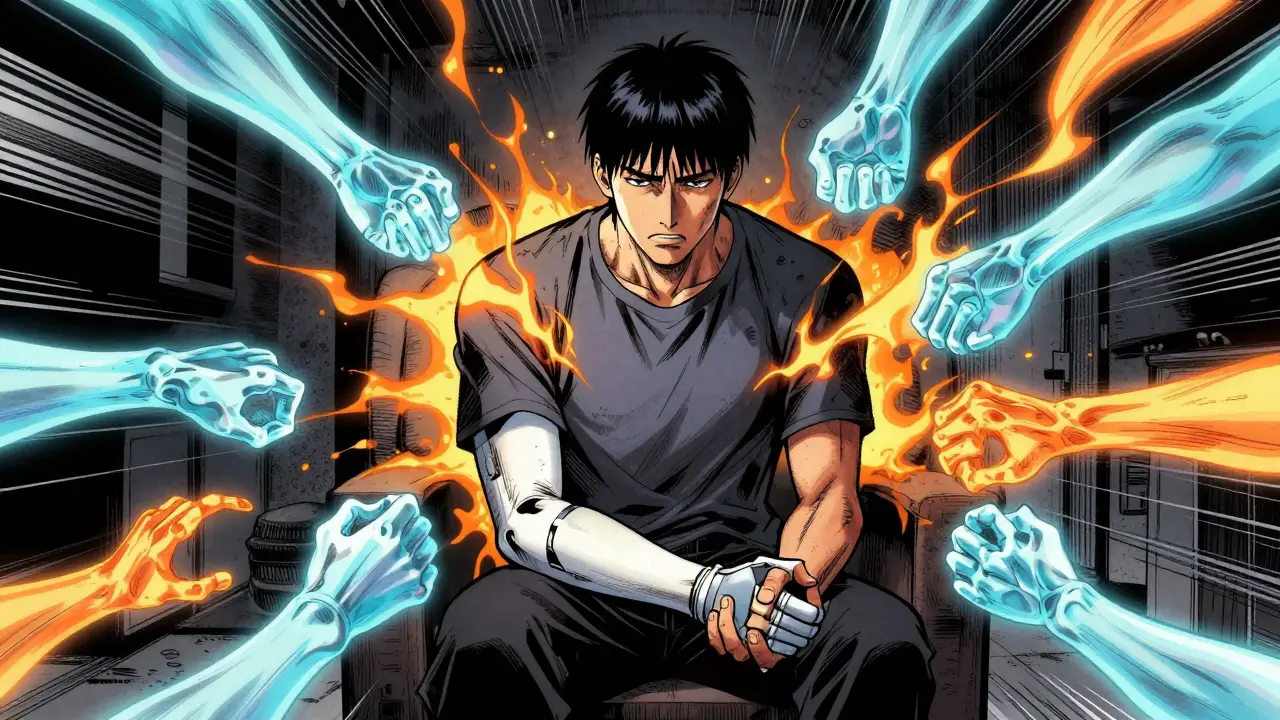
Imagine feeling a burning sensation in your foot, only to remember you lost that leg three years ago. This isn't a trick of the mind or a sign of psychological distress. It is phantom limb pain, a real neurological condition where the brain perceives pain in a missing limb. For the 60% to 85% of amputees who experience this, the pain can range from mild tingling to severe, debilitating agony. The good news? You are not stuck with it forever. Modern medicine offers two powerful tools to fight back: targeted medications and a surprisingly simple technique called mirror therapy.
Why Does Phantom Limb Pain Happen?
To treat phantom limb pain effectively, you first need to understand what is actually happening inside your body. Decades ago, doctors thought this pain was 'in your head' in a purely psychological sense. We now know better. Neuroimaging studies using MRI and PET scans have proven that when you feel phantom pain, specific regions of your brain light up-the same areas that used to process signals from your missing arm or leg.
This phenomenon is driven by cortical remapping. When a limb is removed, the part of the brain dedicated to it doesn't just shut off. Instead, it gets 'rewired.' Neighboring brain regions, like those controlling the face or torso, start sending signals into that empty space. If you touch your cheek, your brain might misinterpret that signal as coming from your missing hand. This confusion creates pain signals that feel incredibly real.
Several factors increase your risk of developing severe phantom limb pain:
- Prior chronic pain: If you had significant pain in the limb before amputation (due to infection, trauma, or disease), you are more likely to experience phantom pain afterward.
- Tumor-related amputations: These cases often involve complex nerve damage.
- Surgical pain intensity: High levels of pain on the day of surgery correlate with higher rates of long-term phantom pain.
Triggers like stress, fatigue, weather changes, or even an ill-fitting prosthetic socket can make these symptoms flare up. Understanding this biological basis is crucial because it means treatments must target the nervous system, not just the site of the amputation.
Mirror Therapy: Tricking the Brain Into Relief
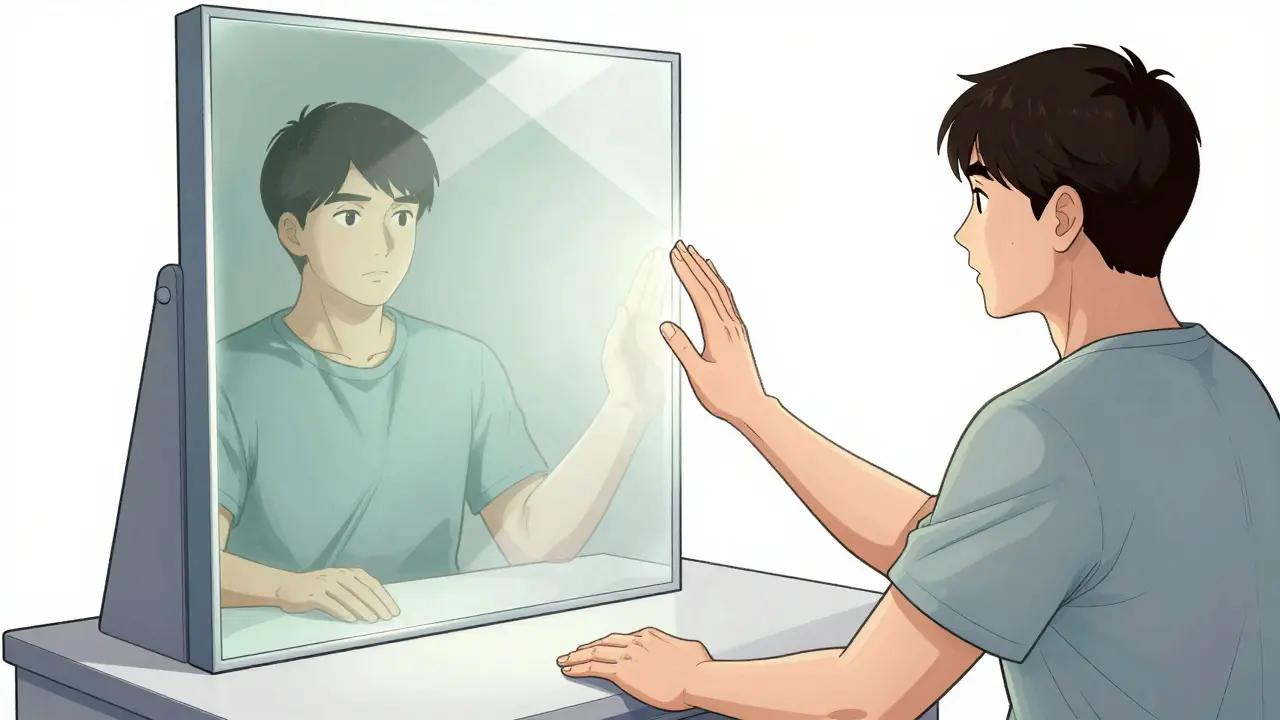
If the problem lies in the brain's confused mapping, the solution involves giving the brain clear, correct visual information. Enter mirror therapy, a non-invasive treatment that uses visual feedback to reduce phantom limb pain.
Invented by neuroscientist V.S. Ramachandran, this technique relies on a simple box with a mirror placed down the center. You place your intact limb in front of the mirror and hide your residual limb behind it. When you look into the mirror, you see the reflection of your good limb, which your brain interprets as your missing limb moving normally.
How to Perform Mirror Therapy
- Set up the box: Place the mirror vertically so it reflects your intact limb. Ensure the residual limb is hidden from view.
- Position yourself: Sit comfortably and look directly at the reflection. Try to ignore the fact that it is a reflection; focus on making it look like your missing limb.
- Move slowly: Gently move your intact limb. Start with simple movements like opening and closing your hand or bending your knee.
- Focus on the image: Watch the reflection intently. Your goal is to create a seamless visual experience where the 'phantom' limb appears to be moving without pain.
- Duration: Aim for 15 to 30 minutes per session, twice daily. Consistency is key.
By providing pain-free movement visuals, mirror therapy helps 'reset' the brain's neural pathways. It tells the cortex, "See? The limb is moving fine. There is no injury here." Studies suggest this can significantly reduce pain intensity over time. However, adherence can be challenging. About 40% of patients stop within eight weeks because it requires daily discipline. To boost success, some clinics are now integrating virtual reality (VR) headsets, which may increase adherence rates to 85% by providing more immersive experiences.
Medications: The Pharmacological Approach
While mirror therapy addresses the brain's wiring, medications help calm the overactive nerves transmitting pain signals. Because phantom limb pain is neuropathic (nerve-based), standard painkillers like ibuprofen often provide only mild, temporary relief. Doctors typically prescribe drugs originally designed for depression or seizures, as these alter how nerves communicate.
| Drug Class | Common Examples | Typical Dosage Range | Key Side Effects | Effectiveness |
|---|---|---|---|---|
| Tricyclic Antidepressants | Amitriptyline, Nortriptyline | 10-75 mg daily | Drowsiness, dry mouth, weight gain | Moderate (45-60%) |
| Anticonvulsants | Gabapentin, Pregabalin | Gabapentin: 300-3600 mg/day Pregabalin: 75-600 mg/day |
Dizziness, fatigue, swelling | High (60-70% at optimal dose) |
| NMDA Antagonists | Ketamine (IV) | 0.1-0.5 mg/kg IV | Dissociation, nausea, blood pressure changes | High for refractory cases |
| Opioids | Oxycodone, Morphine | Varies widely | Addiction risk, constipation, respiratory depression | Variable; controversial long-term use |
First-Line Treatments: Antidepressants and Anticonvulsants
Tricyclic antidepressants like amitriptyline are often the first choice. They work by blocking the reuptake of neurotransmitters involved in pain signaling. Doctors usually start low (10 mg at bedtime) and titrate up over 4-6 weeks. While effective, about 60% of users report drowsiness, which can impact daily life.
Anticonvulsants, particularly gabapentin and pregabalin, are also staples in PLP management. Gabapentin calms hyperexcitable nerves. Many patients find relief at higher doses (900-3600 mg daily), but side effects like dizziness lead nearly 60% of users to discontinue the drug if not managed carefully. Pregabalin works similarly but may have a faster onset of action.
Advanced Options: Ketamine and Botox
For patients who do not respond to standard meds, ketamine administered intravenously can block NMDA receptors in the spinal cord, interrupting the pain cycle. This is typically reserved for severe, refractory cases due to its psychoactive effects. Additionally, botulinum toxin (Botox) injections into the residual limb can reduce pain caused by neuromas (tangled nerve endings) and excessive sweating, with some patients seeing pain scores drop from 8/10 to 3/10 for several weeks.
The Opioid Dilemma
Opioids remain controversial. While they can provide potent short-term relief, the American Pain Society recommends limiting use to 30-50 morphine milligram equivalents (MME) daily due to high addiction risks. Long-term opioid use often leads to tolerance, meaning you need higher doses for less effect, and can worsen nerve sensitivity over time. Most experts advise against relying on opioids as a primary long-term strategy.
Combining Therapies for Best Results
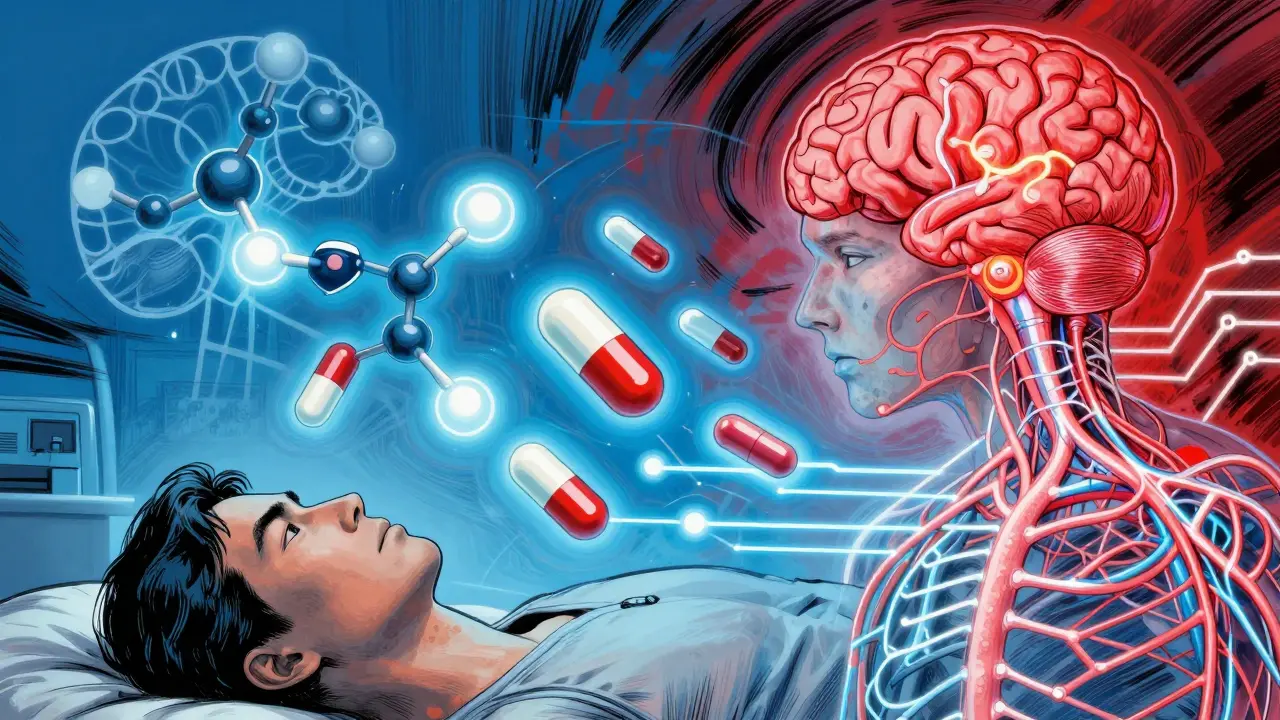
Relying on just one method rarely solves phantom limb pain completely. The most successful outcomes come from a multidisciplinary approach. Combining mirror therapy with medication allows you to attack the problem from two angles: calming the nerves chemically while retraining the brain visually.
Other complementary therapies include:
- TENS (Transcutaneous Electrical Nerve Stimulation): Uses low-voltage electrical currents via electrodes on the residual limb. Effective for 30-50% of moderate cases.
- Biofeedback: Teaches you to control physiological functions like muscle tension, showing 25-40% effectiveness in controlled studies.
- Prosthetic Fitting: Ensuring your socket fits perfectly prevents pressure points that can trigger pain flares.
Recent advancements in neuromodulation, such as closed-loop spinal cord stimulation systems approved by the FDA in 2024, show promise for severe cases, offering up to 65% pain reduction. As technology evolves, we expect VR-enhanced mirror therapy and targeted muscle reinnervation to become standard parts of the treatment toolkit.
When to Seek Help
If you have experienced phantom limb pain for more than six months, the chances of it disappearing on its own are slim. Do not wait. Early intervention yields better results. Consult a pain management specialist or a physiatrist who can tailor a regimen combining medications, physical therapy, and possibly mirror therapy. Remember, phantom limb pain is a medical condition, not a character flaw. With the right combination of tools, you can regain control and improve your quality of life.
How long does it take for mirror therapy to work?
Mirror therapy is not an instant fix. Most patients notice gradual improvement after 2 to 4 weeks of consistent daily practice (15-30 minutes, twice a day). Full benefits may take several months. Consistency is critical; skipping sessions can slow progress.
Can I use over-the-counter painkillers for phantom limb pain?
Over-the-counter NSAIDs like ibuprofen or naproxen may provide mild, temporary relief for some patients, especially if there is inflammation in the residual limb. However, they generally do not address the underlying nerve pain. Prescription medications like gabapentin or amitriptyline are typically more effective for true neuropathic phantom pain.
Is phantom limb pain dangerous?
Phantom limb pain itself is not life-threatening, but it can severely impact your quality of life, sleep, and mental health. Chronic pain can lead to depression and anxiety if left untreated. It is important to manage it proactively to prevent these secondary issues.
What causes phantom limb pain to flare up?
Common triggers include stress, fatigue, weather changes (especially cold or damp conditions), pressure on the residual limb from tight clothing or prosthetics, and emotional distress. Identifying your personal triggers can help you manage flare-ups better.
Are opioids safe for long-term phantom limb pain?
Opioids are generally not recommended for long-term management due to high risks of addiction, tolerance, and side effects. They may be used short-term for severe breakthrough pain under strict medical supervision, but non-opioid alternatives like anticonvulsants and mirror therapy are preferred for sustainable care.



This is an incredibly well-researched and compassionate overview of phantom limb pain. It’s refreshing to see the neurological basis explained so clearly, moving away from outdated psychological stigmas. The section on mirror therapy is particularly empowering-knowing that we can actively ‘retrain’ our brains gives me hope. I appreciate the emphasis on consistency; it’s a reminder that healing isn’t linear but requires daily discipline. Thank you for sharing this vital information with such clarity and empathy. :)
The pharmacological details provided here are precise and clinically relevant. It is important to note that while anticonvulsants like gabapentin show high efficacy at optimal doses, the titration process must be managed carefully to mitigate side effects such as dizziness and fatigue. Furthermore, the caution regarding long-term opioid use aligns with current American Pain Society guidelines. Patients should consult their physiatrists before making any changes to their medication regimens.
Absolutely love the deep dive into cortical remapping! 🧠✨ The way neighboring brain regions hijack the empty space is wild. Also, the VR integration for mirror therapy sounds like a game-changer for adherence rates. Can’t wait to see more immersive tech solutions in neurorehabilitation. #NeuroScience #PhantomPainRelief
Hey everyone, just wanted to say this article really hits home. I’ve been dealing with PLP for a bit now, and hearing about the combination of mirror therapy and meds makes sense. It’s not just one thing-it’s about attacking it from different angles. Keep pushing forward, folks. You’re not alone in this.
While the article presents mirror therapy as a panacea, it ignores the significant placebo effect inherent in visual feedback interventions. Moreover, the reliance on pharmaceuticals like amitriptyline often leads to sedation that impairs quality of life more than the pain itself. One might question whether the medical community is over-pathologizing normal post-amputation sensory adjustments rather than addressing them with holistic, non-invasive methods.
Listen up, the real issue here is that Western medicine keeps pushing pills when simple physical discipline works better. In my experience, ignoring the pain and staying active reduces its power. These fancy mirror boxes are just crutches for those who can’t handle reality. Stop whining and start living.
What a beautifully structured and informative piece! I am truly impressed by the comprehensive approach to managing phantom limb pain. The integration of both technological advancements, such as VR-enhanced mirror therapy, and traditional pharmacological strategies offers a robust framework for patient care. Let us continue to support one another in this journey toward healing and resilience. :)
I read through this quietly, and it resonated deeply. The part about triggers like weather changes and stress made me realize how much my environment affects my pain levels. It’s comforting to know there are concrete steps, like TENS or biofeedback, that I can explore. Thank you for validating that this pain is real and treatable.
Most people fail because they lack willpower. Mirror therapy is easy. Meds are available. If you still hurt, you’re doing it wrong. Stop expecting sympathy.
The philosophical implications of cortical remapping are profound; if our identity is tied to neural maps, then the loss of a limb is not merely physical but existential. Yet, the reductionist approach of prescribing NMDA antagonists feels like a band-aid on a metaphysical wound. One must wonder: are we treating the symptom, or are we erasing the memory of the self?
It’s interesting how the brain adapts, isn’t it? We try to control everything, but sometimes the body has its own mind. I’ve found that accepting the pain rather than fighting it helps reduce its intensity. Small steps, quiet moments, and patience go a long way. No need for drama-just steady progress.