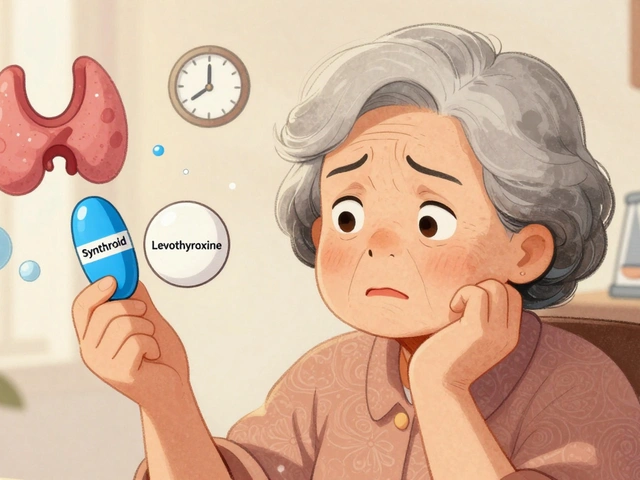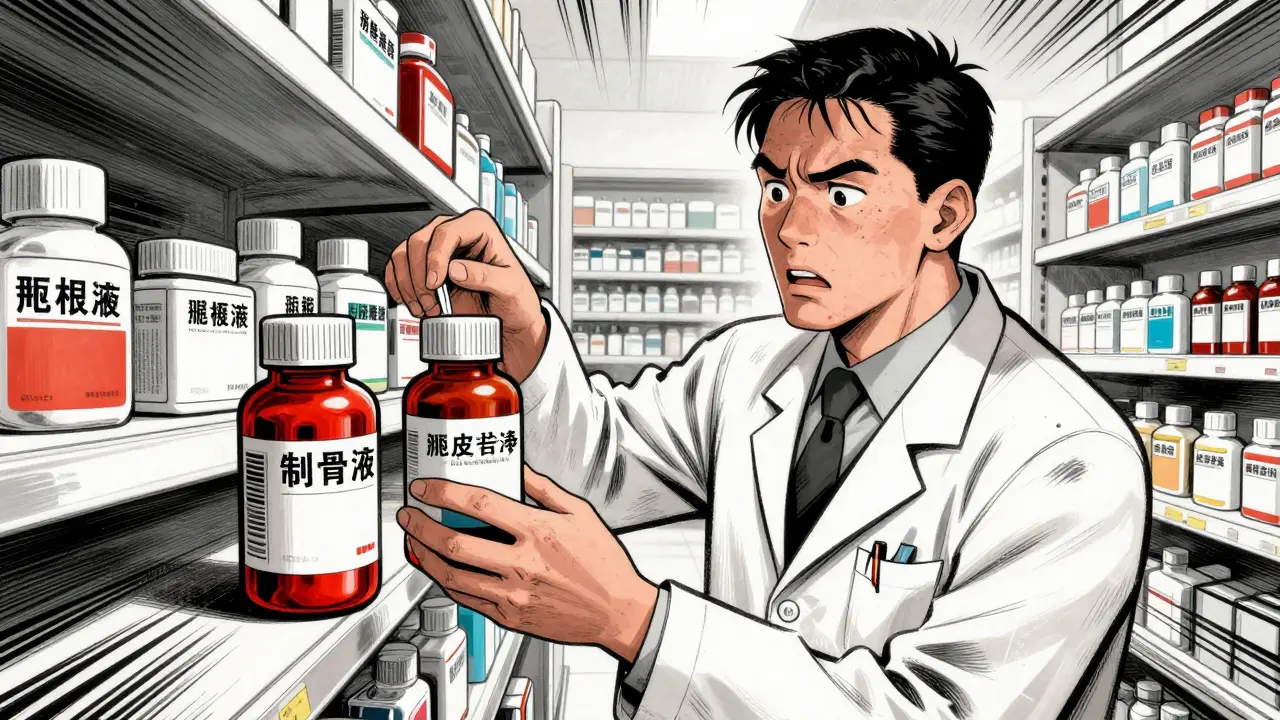
Imagine picking up a bottle of blood pressure medication, only to find it’s actually an antihistamine. Or worse, a nurse administers a heart drug instead of a sedative because the vials looked identical on the shelf. These aren’t hypothetical nightmares; they are real-world scenarios that happen far too often in healthcare systems globally. The culprit? Look-alike, sound-alike (LASA) medications, which are drugs with names or packaging that resemble each other closely, leading to confusion during prescribing, dispensing, or administration.
While we often think of brand-name drugs as having distinct identities, the rise of generic medications has introduced a new layer of complexity. When multiple manufacturers produce the same active ingredient, they often use similar packaging, colors, and shapes to cut costs. Combine this with drug names that differ by only one or two letters, and you have a perfect storm for dangerous mistakes.
The Scale of the Problem
You might assume these errors are rare anomalies, but the data tells a different story. According to the World Health Organization's 2022 publication on medication safety, LASA medicines are a well-recognized cause of preventable harm. In fact, research indicates that LASA errors account for approximately 25% of all medication errors worldwide. That means one in four mistakes made with prescriptions is linked directly to name or appearance confusion.
The Institute for Safe Medication Practices (ISMP) maintains a list of nearly 1,000 confused drug name pairs. While many of these errors are caught before reaching the patient-often called "near misses"-the ones that slip through can be catastrophic. A report from the UK’s National Reporting and Learning System found that out of over 1.9 million incidents reported in a single year, more than 206,000 were medication-related, resulting in dozens of deaths and hundreds of cases of severe harm.
The financial burden is staggering too. The WHO estimates that medication errors cost the global healthcare system around $42 billion annually. With LASA errors making up a significant chunk of that total, the economic impact alone should drive urgent action. But beyond the money, it’s about trust. When patients see their care team mix up basic labels, confidence in the system erodes.
Why Generic Drugs Increase the Risk
Generic drugs are essential for affordable healthcare, but they introduce specific vulnerabilities regarding LASA risks. Brand-name pharmaceutical companies invest heavily in unique packaging design to protect their intellectual property and ensure brand recognition. Generic manufacturers, however, operate on thin margins. They often prioritize function over form, leading to bottles that share similar sizes, shapes, and color schemes.
Consider the case of Valtrex (valacyclovir) and Valcyte (valganciclovir). Both are antiviral drugs used in immunosuppressed patients, such as those with HIV or organ transplants. They share the prefix "Val," have similar sounding names, and are often stored next to each other in pharmacies. Confusing them isn’t just a paperwork error; it can lead to ineffective treatment for serious conditions like cytomegalovirus (CMV). This example highlights how orthographic similarity (visual resemblance) and phonetic similarity (auditory resemblance) combine to create high-risk situations.
Another common issue arises with drugs like hydroxyzine and hydralazine. One is an antihistamine used for anxiety or itching; the other is a vasodilator for high blood pressure. If a pharmacist misreads a handwritten prescription or if the electronic health record auto-suggests the wrong option due to alphabetical sorting, the consequences can be life-threatening. The visual similarity of the names, combined with potentially similar-looking generic capsules, creates a double trap.
Where Do These Errors Happen?
It’s easy to blame the person who handed the patient the wrong pill, but LASA errors are rarely just individual failures. They are systemic issues that can occur at any point in the medication use continuum. Understanding where these breakdowns happen helps us fix them.
- Prescribing: Doctors may dictate orders verbally, leading to confusion between sounds like "quinidine" and "quinine." Electronic prescribing systems can also fail if they don’t flag LASA pairs effectively.
- Dispensing: Pharmacists working in high-volume environments may grab the wrong bottle from a shelf where LASA drugs are stored side-by-side. Similar packaging exacerbates this risk.
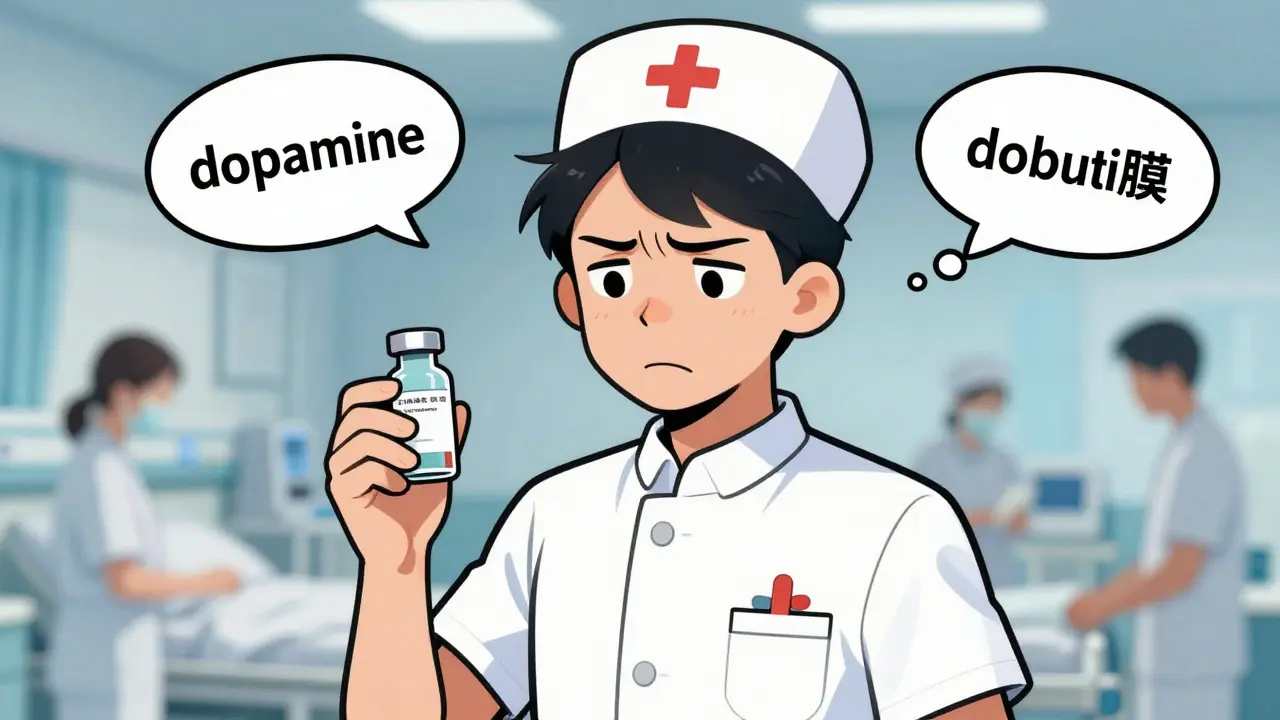
- Administration: Nurses in busy wards or emergency rooms face immense pressure. A study showed that 68% of medication errors occur during administration. If a nurse hears "dopamine" but sees a vial labeled "dobutamine," the stress of the moment can override caution.
Dr. David Bates, a leading expert in patient safety at Harvard Medical School, emphasizes that these errors represent a "systems failure" rather than individual negligence. Blaming the nurse or the pharmacist doesn’t stop the next error. We need to redesign the environment to make mistakes harder to make.
Proven Strategies to Prevent LASA Errors
So, what works? Research and real-world implementation have identified several effective strategies. Hospitals and pharmacies that have adopted these measures have seen significant reductions in error rates.
| Strategy | How It Works | Impact/Evidence |
|---|---|---|
| Tall Man Lettering | Uses capitalization to highlight differences in drug names (e.g., predniSONE vs. predniSOLONE). | Reduced LASA errors by 67% in a 12-hospital system study. |
| Barcode Scanning | Scans patient wristbands and medication barcodes to verify match before administration. | Combined with alerts, reduced errors by 45% in hospital systems. |
| Physical Separation | Moves LASA drugs apart on shelves and in storage units to prevent visual confusion. | Simple, low-cost intervention recommended by WHO and ISMP. |
| Clinical Decision Support (CDS) | AI-powered alerts in Electronic Health Records (EHR) flag potential LASA conflicts during prescribing. | AI systems flagged 98.7% of potential errors with only 1.3% false alerts in recent trials. |
| Standardized Packaging | Requires distinct colors, shapes, or labels for high-risk generic medications. | Regulatory bodies like the FDA are pushing for stricter naming and packaging guidelines. |
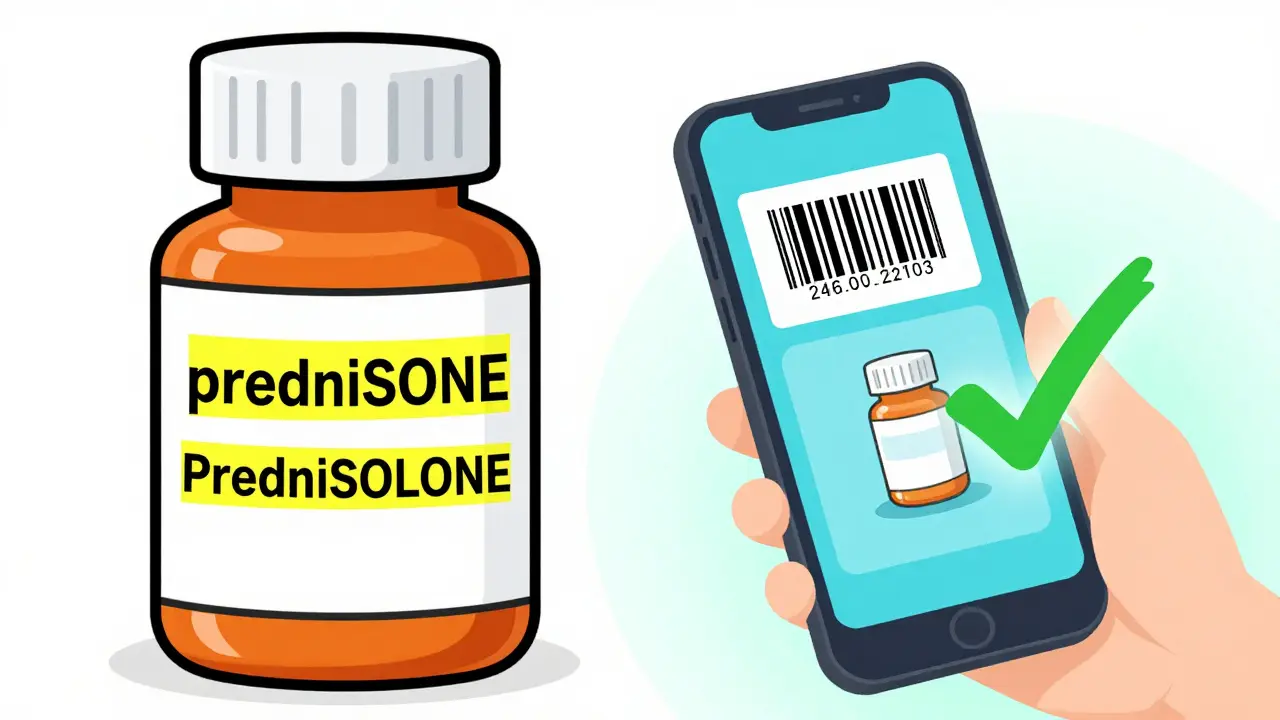
Tall Man Lettering is one of the most accessible tools. By visually breaking up similar words, it forces the reader to slow down and process the difference. For instance, writing "predniSONE" and "predniSOLONE" makes the distinction obvious at a glance. This simple typographic change has been shown to reduce errors significantly without requiring expensive technology.
Technology plays a crucial role too. Modern Electronic Health Records (EHRs) equipped with AI-driven clinical decision support can catch errors before they happen. A 2023 study demonstrated that AI embedded in EHRs reduced LASA errors by 82% across three hospital systems. The system didn’t just flag errors; it learned from patterns to minimize false alarms, ensuring staff remained alert rather than desensitized to constant warnings.
However, technology isn’t a silver bullet. Implementation takes time-typically 3 to 6 months for full integration-and requires training. Staff need 4 to 8 hours of dedicated education to understand how to interact with these new systems effectively. Without proper training, even the best software can be bypassed or ignored.
What You Can Do as a Patient
You might feel powerless against these systemic issues, but you are your own best advocate. Here are practical steps you can take to protect yourself:
- Ask for the generic name and purpose. When you pick up a prescription, ask the pharmacist, "Can you tell me the generic name of this drug and what it treats?" This verbal confirmation adds a layer of safety.
- Check the label every time. Don’t just grab the bottle and leave. Read the name on the label against your prescription receipt. If it looks different, speak up immediately.
- Report near misses. If you notice a mistake was almost made, report it to the pharmacy or clinic. These reports help institutions identify risky pairs and improve their systems.
- Use one pharmacy. Consolidating your prescriptions into a single pharmacy allows the pharmacist to build a complete profile of your medications, making it easier to spot interactions or confusing duplicates.
Healthcare providers are trained to welcome these questions. In fact, asking "Is this the right medication?" is not being difficult; it’s being safe. Cultivating a culture where patients feel comfortable questioning their care is one of the most powerful defenses against error.
The Future of Medication Safety
The landscape of medication safety is evolving. Regulatory bodies like the U.S. Food and Drug Administration (FDA) and the European Medicines Agency (EMA) are tightening rules. The FDA rejected 34 drug name applications in 2021 solely due to LASA concerns, representing 18% of all rejections that year. The EMA implemented mandatory name similarity assessments in 2019, which led to a 22% reduction in new LASA pairs entering the European market.
Looking ahead, the WHO’s "Medication Without Harm" challenge aims to reduce severe medication-related harm by 50% globally by 2025. Achieving this will require sustained effort from regulators, technology developers, and healthcare providers. Standardized global risk assessment tools and universal packaging designs for high-risk generics are on the horizon.
Artificial intelligence will likely play an even bigger role. Imagine a future where your smartphone scans your medication bottle and instantly verifies it against your digital health record, alerting you if there’s any discrepancy. While we’re not quite there yet, the trajectory is clear. The goal is to move from reactive error reporting to proactive prevention, creating a system where human error is supported by robust technological safeguards.
Medication errors with generics are a serious issue, but they are not unsolvable. By understanding the risks of look-alike and sound-alike drugs, implementing proven strategies like tall man lettering and barcode scanning, and empowering patients to participate in their own safety, we can drastically reduce these preventable harms. Safety is a shared responsibility, and every step counts.
What are look-alike, sound-alike (LASA) medications?
LASA medications are drugs that have names or packaging that are visually or phonetically similar to other drugs. For example, 'hydroxyzine' and 'hydralazine' look similar, while 'albuterol' and 'atenolol' sound similar. These similarities can lead to confusion during prescribing, dispensing, or administration, resulting in medication errors.
Why are generic drugs more prone to LASA errors?
Generic drugs often lack the distinctive packaging design of brand-name counterparts because manufacturers focus on cost-efficiency. Multiple generic versions of the same drug may have similar bottle shapes, colors, and labels. Additionally, generic names can sometimes be very close to brand names or other generic names, increasing the risk of visual and auditory confusion.
How common are LASA medication errors?
LASA errors are surprisingly common, accounting for approximately 25% of all medication errors globally. The Institute for Safe Medication Practices identifies nearly 1,000 drug name pairs that are frequently confused. While many errors are caught before harming patients, those that reach patients can cause severe injury or death.
What is Tall Man Lettering and does it work?
Tall Man Lettering is a technique that uses capitalization to emphasize the differences between similar drug names, such as writing 'predniSONE' and 'predniSOLONE'. Studies have shown that this simple visual cue can reduce LASA errors by up to 67% in hospital settings by forcing readers to notice the distinction.
Can technology prevent LASA errors?
Yes, technology is highly effective. Barcode scanning systems verify that the right medication is given to the right patient. Artificial Intelligence (AI) integrated into Electronic Health Records (EHRs) can flag potential LASA conflicts during prescribing. Recent studies show AI-powered clinical decision support can reduce LASA errors by up to 82% when properly implemented.
What should I do if I suspect a medication error?
If you suspect a medication error, do not take the medication. Contact your pharmacist or healthcare provider immediately to verify the prescription. Check the label against your prescription receipt. Report the incident to the pharmacy or clinic so they can investigate and prevent future occurrences. Your vigilance can save lives.