Severe acne isn’t just about breakouts. It’s about scarring, self-esteem, and feeling trapped in a cycle of creams, antibiotics, and frustration. If you’ve tried everything and your skin still won’t clear, isotretinoin might be the answer you’ve been waiting for. But it’s not a simple pill. It’s a powerful treatment with strict rules, serious side effects, and lab tests you can’t ignore. This isn’t about quick fixes. It’s about understanding what you’re signing up for - and whether it’s right for you.
How Isotretinoin Actually Works
Isotretinoin doesn’t just treat acne. It changes the game. Unlike topical creams or antibiotics that target surface bacteria, isotretinoin attacks acne at its source. It shrinks your oil glands by up to 90%, which means way less sebum - the greasy stuff that clogs pores and feeds acne-causing bacteria. It also stops skin cells from clumping together inside pores, reduces inflammation, and makes it harder for Cutibacterium acnes to survive. The result? Acne doesn’t just calm down - it often disappears for good.
Most people start seeing results after 4 to 8 weeks. But the real win comes after 5 to 8 months of treatment. Around 80% of patients never need to go back on acne meds again. That’s not just improvement. That’s long-term remission. For someone who’s struggled with cystic acne for years, that’s life-changing.
Who Should Take It - and Who Shouldn’t
Isotretinoin isn’t for mild acne. If you’ve got blackheads and occasional pimples, start with topical retinoids or benzoyl peroxide. Isotretinoin is for severe, stubborn cases: deep, painful nodules, cysts that leave scars, or acne that hasn’t responded to antibiotics or hormonal therapy.
It’s also not for everyone. If you’re pregnant or planning to be, you cannot take it. Isotretinoin causes severe birth defects. That’s why the FDA requires the iPLEDGE program in the U.S. - a strict system that forces you to take pregnancy tests, use two forms of birth control, and wait weeks just to get your first prescription. If you’re not ready for that level of responsibility, this isn’t the right choice.
People with liver disease, very high triglycerides, or a history of inflammatory bowel disease should also avoid it. And if you’ve had depression in the past, talk to your doctor. While studies haven’t proven isotretinoin causes depression, the risk is real enough that your doctor will ask about your mental health history before prescribing it.
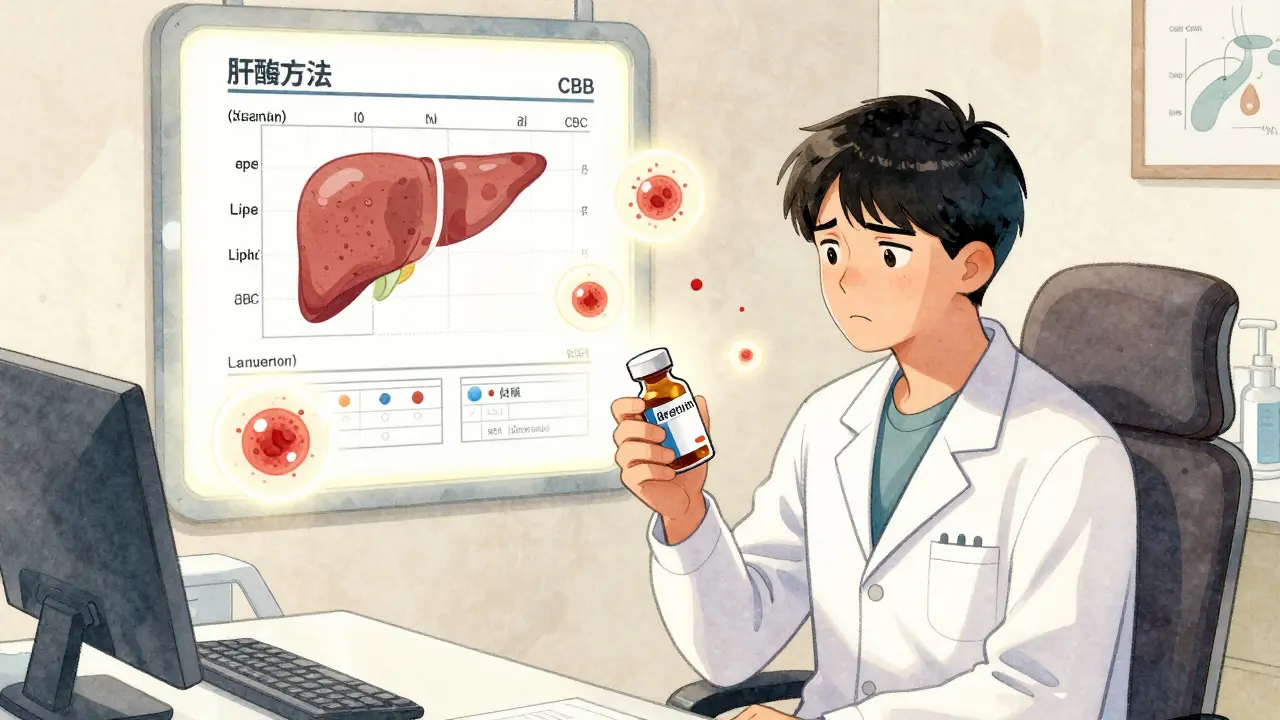
Lab Tests: What You Need and When
You can’t start isotretinoin without baseline labs. And you can’t stop checking them until you’re done. Here’s what your doctor will order:
- Complete Blood Count (CBC): Checks for any changes in white or red blood cells. Rarely, isotretinoin affects bone marrow.
- Liver Function Tests (ALT, AST): Monitors for liver stress. Elevations are common but usually mild and reversible.
- Lipid Panel: Tracks cholesterol and triglycerides. About 15-20% of people see triglycerides rise enough to need a dose change or pause treatment.
You’ll get these tests before your first dose, then again at 4 to 8 weeks. After that, most doctors check them every 3 months unless something looks off. If your triglycerides spike above 500 mg/dL, your doctor may stop the medication. High levels can lead to pancreatitis - a rare but dangerous condition.
Some patients get their labs done at a local clinic. Others use telehealth services to upload results. Either way, don’t skip them. Skipping labs isn’t just risky - it’s a violation of the iPLEDGE program and could get your prescription pulled.

Dosing: High vs. Low - What Actually Works
For years, the standard was 0.5 to 1.0 mg per kilogram of body weight per day. That’s about 40-80 mg daily for a 70 kg person. But newer research is changing that.
A 2023 review of 32 studies found that low-dose isotretinoin - 20 mg per day for 3 to 6 months - worked just as well for many people, with fewer side effects. One NIH study showed 90% of patients cleared their acne with 20 mg/day, and only 4% relapsed after six months.
Why does this matter? Lower doses mean less dry skin, fewer nosebleeds, and less joint pain. If your acne isn’t extreme, a low-dose regimen might be safer and just as effective. But if you have deep cysts or scarring, your dermatologist may still recommend the higher dose to reduce the chance of relapse.
The goal is usually a total cumulative dose of 120-150 mg per kg of body weight. That’s why treatment lasts 5-8 months. Some people finish early. Others need 9-12 months. Your doctor will adjust based on your response and side effects.
Side Effects: What to Expect - and What to Worry About
Side effects are almost universal. But most are manageable.
- Dry lips: Happens in 90% of users. Use petroleum jelly (Vaseline) every few hours. Lip balms with fragrances or menthol make it worse.
- Dry skin and eyes: Use fragrance-free moisturizers. Artificial tears help with dry eyes. Avoid contact lenses if they feel gritty.
- Nosebleeds: Common. Use saline spray and a humidifier. Don’t pick your nose.
- Acne flare: In the first 1-2 months, your acne might get worse before it gets better. This is normal. Don’t panic. Don’t stop the pill.
- Muscle and joint pain: Mild aches are common. If it’s sharp, constant, or limits movement, tell your doctor.
These are the red flags:
- Severe abdominal pain, vomiting, or fever - could mean pancreatitis or liver issues.
- Headaches with blurred vision or nausea - could be pseudotumor cerebri, a rare brain condition.
- Depression, suicidal thoughts, or extreme mood swings - stop the drug and call your doctor immediately.
Most side effects fade within a month after stopping. But some - like dry skin or sensitivity to sun - can linger for months. You’ll still need sunscreen and moisturizer long after treatment ends.
Results: Is It Worth It?
People who finish isotretinoin and stick to the plan report life-changing results. One Reddit user wrote: “I’ve been clear for 3 years. I don’t remember the last time I looked in the mirror and hated what I saw.” Another said: “I went from hiding my face to applying for jobs. That’s not just skin. That’s confidence.”
But it’s not magic. About 10-20% of people have a relapse. If that happens, a second course often works. Some dermatologists now offer maintenance doses - like 10 mg every other day - to prevent return.
Success isn’t just about clear skin. It’s about not needing to spend hours on skincare, avoiding social events because of breakouts, or feeling like your face defines you. For many, isotretinoin doesn’t just treat acne - it gives them back their life.

The iPLEDGE Program: A Necessary Burden
The iPLEDGE system is frustrating. You need two negative pregnancy tests. You must use two forms of birth control. You have to log in every month. You can’t get your prescription filled until your doctor confirms everything’s in order.
But here’s the truth: it exists because isotretinoin can cause devastating birth defects. In the 1980s and 90s, hundreds of babies were born with severe malformations because women didn’t know the risks. The program isn’t perfect - many patients call it bureaucratic and confusing - but it’s the only thing keeping this drug from causing more harm.
If you’re a woman of childbearing age, you need to plan ahead. Don’t wait until your appointment to figure out birth control. Talk to your gynecologist. Get a prescription ready. The iPLEDGE portal can be slow, but don’t let it delay your treatment. Start the process as soon as you decide to go forward.
What Comes After Isotretinoin?
Stopping isotretinoin isn’t the end. It’s a new beginning. Your skin will still be sensitive. You’ll need to keep using gentle cleansers, non-comedogenic moisturizers, and daily sunscreen. UV exposure can still cause damage, even if your acne is gone.
Some people start using topical retinoids again - like tretinoin - to keep pores clear. Others use azelaic acid or niacinamide to maintain skin health. You might not need them, but it’s smart to have a maintenance plan.
And if your acne comes back? Don’t panic. A second course of isotretinoin is often effective. Or your doctor might suggest a low-dose antibiotic for a few months. The goal isn’t perfection - it’s control.
Final Thoughts
Isotretinoin isn’t a miracle. It’s a tool. A powerful, risky, life-altering tool. It works better than anything else for severe acne. But it demands respect. You need to do the labs. You need to follow the rules. You need to be honest with your doctor about your health, your mood, and your lifestyle.
If you’ve tried everything and your skin is still screaming for help, isotretinoin might be your best shot. It’s not easy. But for many, it’s the only thing that works. And when it does - when your skin clears, your confidence returns, and you stop hiding - it’s worth every test, every side effect, every month of waiting.

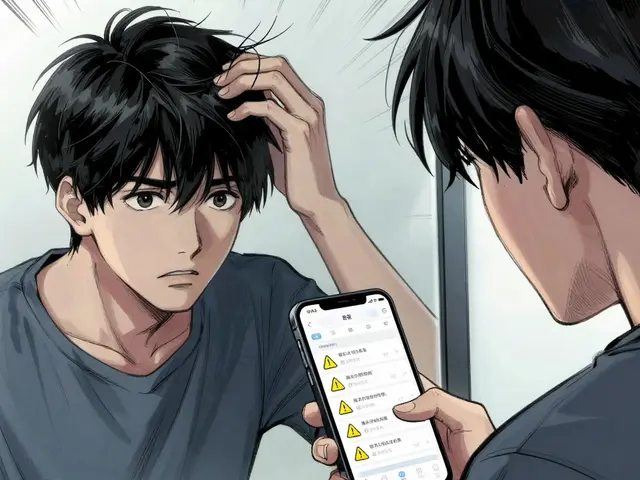


Isotretinoin changed my life. I had cystic acne for 7 years, tried everything, and ended up hiding from photos. Started at 20mg/day, didn't even need to go higher. Dry lips? Yeah. Nosebleeds? A little. But clearing up? Worth every second. No more anxiety about looking in the mirror. I actually went on dates after. Crazy how one pill can do that.
Just want to say if you're scared about side effects, you're not alone. I was terrified too. But my derm walked me through every lab test, explained why each one mattered, and made me feel like I wasn't just a case number. It's intense, yeah, but it's not magic. It's medicine. And when you're ready for it, it works. Trust the process.
In India, isotretinoin is sold over the counter like candy. No labs. No iPLEDGE. No oversight. I saw girls take it for acne scars and end up with liver damage because no one checked. The system in the US? Annoying? Yes. Necessary? Absolutely. We need these safeguards. I've seen what happens without them. Don't romanticize the shortcut. Your skin matters, but your liver matters more.
It is imperative to underscore that isotretinoin, while efficacious, is not without its pharmacological complexities. The lipid panel alterations, particularly triglyceride elevation, necessitate vigilant monitoring. Moreover, the iPLEDGE program, though administratively cumbersome, is a regulatory triumph in risk mitigation. One must not underestimate the gravity of teratogenicity. This is not a cosmetic intervention. It is a therapeutic intervention of significant consequence.
Everyone acts like this is some miracle cure. You're just trading one problem for another. Dry skin? Check. Depression? Maybe. Birth defects? Oh yeah, if you're dumb enough to forget birth control. And now you're stuck on moisturizer for life. I've seen people on this drug for 10 years. It doesn't fix you. It just makes you dependent. Stop chasing perfection. Your skin will never be flawless. Accept it.
Did you know that the FDA’s iPLEDGE program has a 37% non-compliance rate among women under 25? And yet, we’re told it’s ‘necessary.’ The real issue is that doctors are lazy. They’d rather hand out a script and check a box than actually talk to patients about alternatives. You’re being manipulated by fear and bureaucracy. There are better ways. You just haven’t been told about them.
My sister did this and it saved her. She went from barely leaving the house to traveling solo across Europe. I cried when she sent me that first selfie without a scarf over her face. It’s not just about skin. It’s about being able to breathe again. If you’re hesitating because it’s hard, remember: the hardest part is starting. The rest? You’ll get through it.
They say isotretinoin is safe but what they don’t tell you is Big Pharma paid off the FDA. The depression link? Buried. The liver damage? Minimized. And the birth defects? They just blame the women. I know someone who lost a baby because the doctor didn’t explain the risks properly. This isn’t medicine. It’s a cover-up. And iPLEDGE? A PR stunt to make people feel safe while the real danger keeps growing.
My cousin took isotretinoin in Delhi, no tests, just a pharmacy guy handing her a box. She got clear skin in 3 months. But then her periods stopped. No one knew why. She went to a doctor after 6 months and found out her hormones were wrecked. So yeah, it works. But if you’re not doing the labs, you’re playing Russian roulette with your body. Don’t be that person.
Does anyone have data on long-term skin changes after stopping? Like, does your skin ever go back to normal? I’ve been off for 2 years and still get dry patches in winter. Is that normal or did the drug change something permanent?
Oh, so now we’re glorifying a drug that causes internal damage just because you want to look ‘perfect’? You’re not healing. You’re chemically erasing your natural biology. Real confidence doesn’t come from pharmaceuticals. It comes from accepting yourself as you are. This isn’t treatment. It’s self-hatred disguised as science.
Interesting. So you’re telling me that a 20mg/day regimen has a 90% clearance rate, yet the cumulative dose target is 120-150 mg/kg? That’s mathematically contradictory unless you’re stretching treatment beyond 6 months. Either the data is cherry-picked, or the protocol is inconsistent. Either way, I’m skeptical.
Why are we letting foreigners control our medicine? This drug is American-made. Why do we need iPLEDGE? Why not just ban it for women? Simple. No babies. No problem. Why make it so complicated? Just say no to girls taking it. Problem solved. We don’t need all these forms and tests. Just keep it away from them.
If you're considering isotretinoin, don't wait. The sooner you start, the sooner you're done. I did 8 months. Side effects were rough for the first 2. But after that? Skin like a baby. No more makeup. No more hiding. And yes, I did the labs. Every single time. No excuses. This isn't a suggestion. It's a commitment. Show up for yourself.
My dermatologist said low dose is fine if your acne isn't super severe. I took 20mg for 5 months. Clear. No relapse. Dry skin? Yeah. But I just use CeraVe now and it's fine. The real win? No more hiding in hoodies. I wore a tank top last summer. For the first time ever. That's the real win.