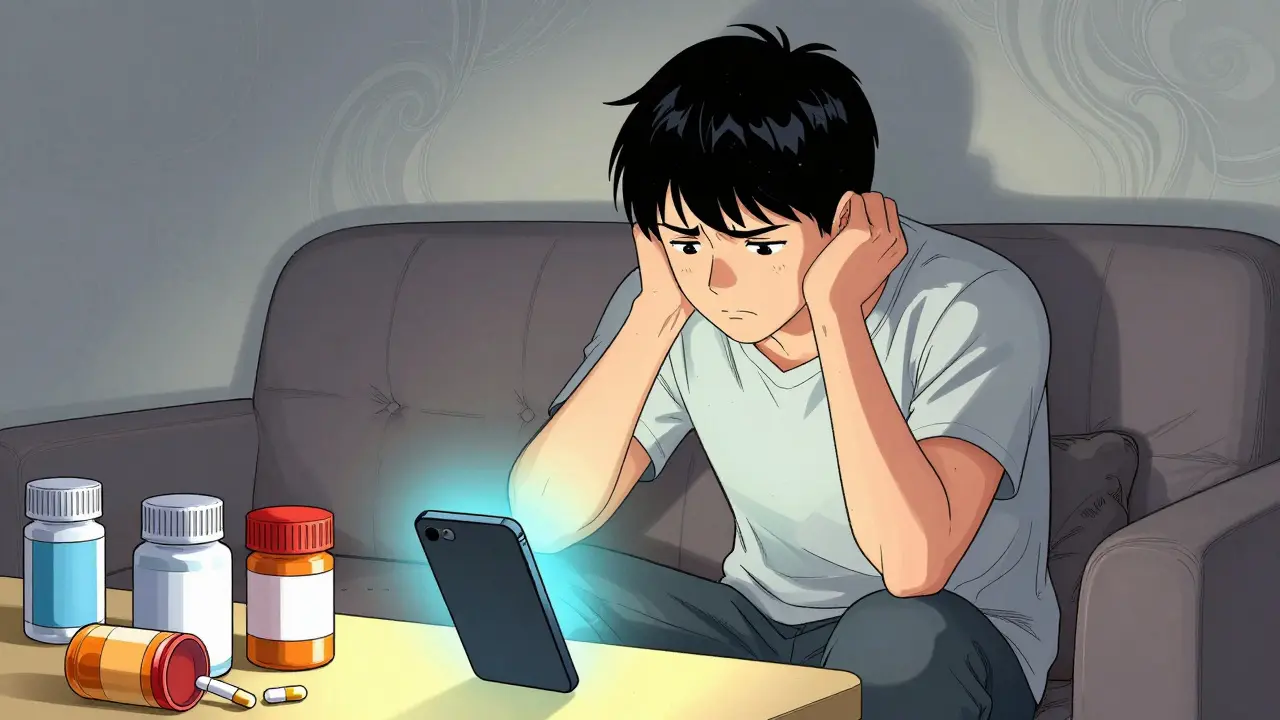
Did you know that nearly half of all people taking chronic medications miss doses regularly? It's a massive global issue that costs healthcare systems billions every year. In fact, the World Health Organizationestimates that non-adherence costs between $100 billion and $300 billion annually globally. But there is a surprisingly simple tool that might help bridge this gap. Text message reminders have become a powerful ally in keeping patients on track with their treatment plans.
What Are Medication Text Reminders?
At its core, a Text Message Reminder Systemis a digital health intervention using SMS to notify patients about when to take their pills. These aren't just random notifications; they are designed triggers meant to interrupt forgetfulness at the exact moment you need to remember. You probably already have a smartphone in your pocket, making this method accessible to almost everyone without needing new hardware.
The science backs this up. Back in 2017, a major study published in JMIR mHealth found that text reminders boosted self-reported medication adherence by 14.2 percentage points compared to standard care. That sounds dry, but in real life, it means the difference between missing four doses a month versus staying consistently covered. While more recent large-scale trials in 2023 showed mixed long-term results, the consensus remains clear: these messages work best when used correctly and tailored to your specific routine.
Quick Summary / Key Takeaways
- Effectiveness Varies: Studies show adherence can improve by 14%+, but benefits may fade after 6 months without customization.
- Timing is Critical: Messages arriving within 2 hours of your dose time are significantly more effective than early alerts.
- Personalization Matters: Generic reminders get ignored faster than messages mentioning your specific medication name or condition.
- Integration Helps: Systems linked to Electronic Health Records (EHR) allow for automated identification of missed refills.
- Condition Specific: Strongest evidence exists for HIV, TB, and asthma, with varying results for heart disease depending on the program design.
Why Standard Care Isn't Enough
We've all been there. You go to the doctor, leave with a prescription, and weeks later realize you haven't taken the medication properly. Sometimes it's busy life, sometimes it's forgetting, and sometimes it's just the complexity of multiple daily doses. Traditional methods like printed cards or pill organizers rely entirely on memory or manual dexterity. Digital reminders shift the burden of memory to the device itself.
However, the implementation varies wildly. Some hospitals send basic "Time to take your pills" blasts, while others use sophisticated algorithms tied to your medical records. A pilot study by the National Institutes of Health demonstrated that integrating reminder systems with Electronic Health Recordsdigital databases containing patient health information used by healthcare providers allows for better targeting. Instead of guessing who needs help, the system identifies refill gaps automatically and sends a behavioral nudge before the next prescription is due. This level of precision helps catch problems before they lead to a hospital visit.
Setting Up Your Reminder System
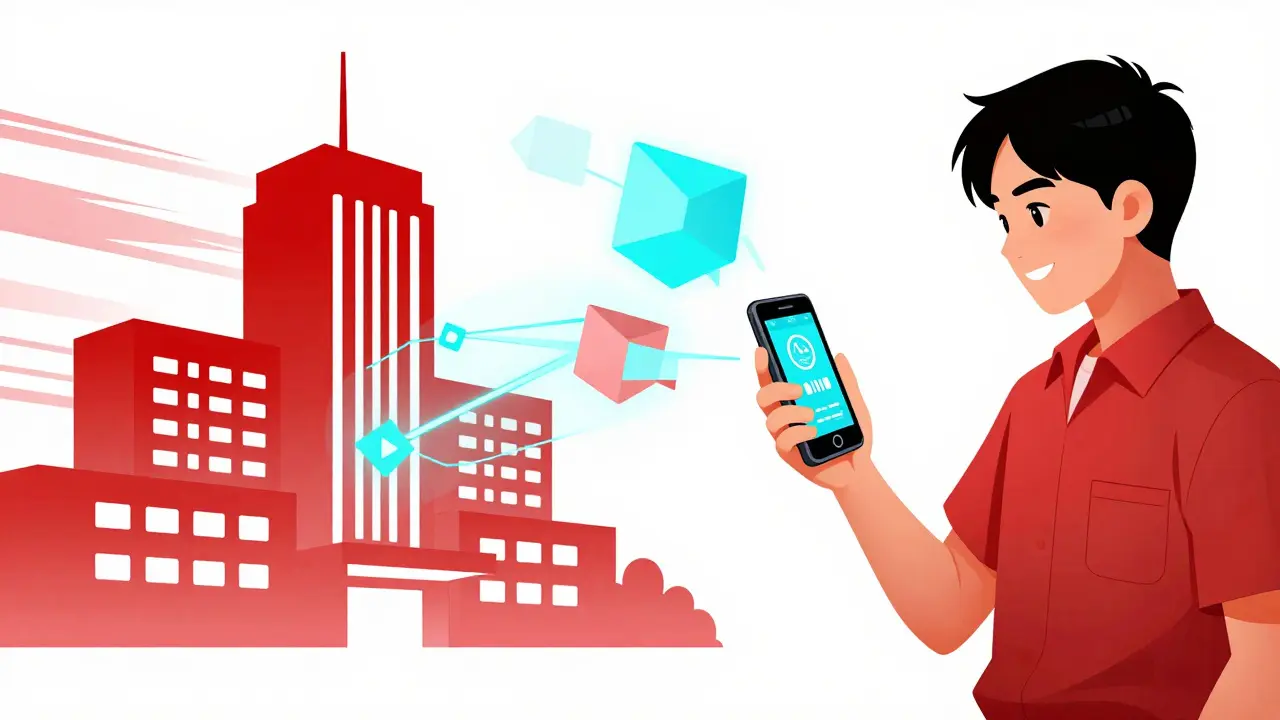
If you want to implement this for yourself or a loved one, you generally have two paths: standalone apps or provider-led systems. Standalone apps are easy to download and configure, usually asking for your medication name, dosage, and preferred wake-up time. Provider-led systems, on the other hand, come directly from your clinic and might interact with your pharmacy refill status.
When setting up any system, focus on the details during the configuration phase. Don't just set a generic alarm. Most effective platforms allow you to choose specific times. If you take blood pressure medication with breakfast, set the text to arrive at 7:00 AM, not 8:00 AM. Research indicates effectiveness drops significantly-by about 35%-if reminders arrive more than two hours after the ideal medication time. You want the trigger to be immediate.
Consider the frequency carefully too. Daily texts work well for acute conditions or complex regimens. For long-term maintenance, weekly summaries sometimes prevent annoyance. One survey noted that 23% of users stop using services after six months because the messages feel irrelevant or too frequent. To avoid "message fatigue," treat the service like a friend rather than a nagging supervisor.
The Importance of Personalization
This is where most generic programs fail. A meta-analysis cited in NIH reviews concluded that personalized messages yield greater effects than generic ones. Imagine receiving a text that says, "Hi John, remember your Lisinopril today!" versus just "Take meds now." The first one acknowledges the relationship and the specific drug, creating a stronger cognitive link.
Behavioral nudges add another layer. Instead of a command, some modern systems use positive reinforcement. "Great job staying on track this week" works wonders compared to "You missed your morning dose." The 2017 JMIR study highlighted that text messages delivered alongside cardiac rehabilitation showed sustained improvements over 12 months. This suggests that combining reminders with broader support creates a sticky habit loop. If you are managing a chronic condition, ask your provider if your reminder system includes these behavioral elements or if you should supplement it with an app that does.

Comparing Approaches to Adherence Tools
Not all digital health solutions are created equal. Understanding the differences between manual tracking and automated alerts can save you frustration.
| Type | Primary Function | Pros | Cons |
|---|---|---|---|
| Standalone Apps | User-controlled scheduling | Highly customizable; immediate setup | Rely on user input; data stays local |
| EHR Integrated | Automated trigger based on refill gaps | Seamless clinical workflow; accurate data | Requires hospital infrastructure; privacy concerns |
| SMS Only | No smartphone required; universal access | Works on old phones; high open rates | Limited interactivity; character count limits |
While smartphone apps offer rich features, plain SMS (Short Message Service) remains a robust choice for many populations. About 98% of the global population has mobile coverage, even if they don't own smartphones. This makes SMS reminders vital for reaching diverse demographics where data connectivity might be expensive or unreliable.
Troubleshooting Common Pitfalls
You might set everything up perfectly, only to find the system isn't working as expected. Why does this happen? A major trial involving 9,500 cardiovascular patients in 2023 revealed something surprising: even with high-quality messaging, adherence didn't significantly increase for everyone over a full year. Dr. Kevin Volpp, a lead researcher on that project, noted "intervention decay" effects. Essentially, the novelty wears off. People get used to seeing the texts and start ignoring them subconsciously.
To counter this, vary your approach. Change the time slightly every few weeks. Mix in encouraging messages rather than strict commands. Also, check your carrier settings. Technical constraints like the 160-character SMS limit can sometimes cut off important instructions mid-sentence. If you are relying on free public health services, ensure they don't get flagged as spam by your phone's filter, as delivery success rates vary between 85% and 99% depending on the network infrastructure.
Finally, listen to your own experience. If a system annoys you, it will fail. User feedback from online communities shows that timing issues are the #1 complaint. Adjust until the notification feels helpful, not intrusive. The goal is to support your health journey, not add stress to it.
Frequently Asked Questions
Do text message reminders actually improve medication adherence?
Yes, multiple studies indicate they do. Research shows an average improvement of roughly 14% in self-reported adherence compared to usual care. However, results are strongest when messages are personalized and delivered at optimal times.
Are text message reminders safe regarding privacy?
Simple SMS reminders generally fall under low-risk digital health tools. However, if the system shares detailed health data via text, it may not comply with regulations like HIPAA. Always check with your provider if your data is encrypted.
Can I use these reminders for diabetes or HIV specifically?
Absolutely. Evidence for HIV and infectious diseases like TB is particularly strong, with some studies showing over 70% effectiveness rates. Diabetes management also responds well to scheduled reminders for insulin or oral medication timing.
How long do I need to use these reminders for them to work?
Most interventions show significant benefit in the short term (30-90 days). Long-term efficacy requires periodic adjustments to maintain engagement, as habituation can occur after 6 months.
What if I switch phone numbers or change carriers?
You must update your contact details immediately in the reminder portal. Unlike automated alarms on your phone, provider-driven texts depend on server-side databases having your current number.


Honestly I find it hilarious that adults need a toddler reminder to take their own pills because clearly modern society has rotted out of existence if GPS cannot tell you where your brain is right now and we rely on corporate servers to keep us alive like digital leashes attached to our wrists while we pretend we are autonomous beings making choices in this brave new world of healthcare
They want to track your biological rhythms while you sleep 💀 Big brother is texting you now to see what chemicals you put in your body without asking for permission from anyone important enough to matter in the grand scheme of things
The habit loop matters more than the notification itself in the end when we consider how behavior forms over time
Sure why not put my meds in an app too 🙄📱💤 just another thing to ignore eventually 😴
Yeah sure text me when I die too
i really feel like we miss the deeper existential point here when we reduce health to mere notifications
because the soul requires more than a ping to survive in this digital age
and yet we cling to algorithms hoping they fill the void left by proper care
while the corporations watch our pill intake like hawks circling a dying bird
and we call this progress absolutely absurd
how we let the machine dictate our biology
without asking who owns the data
now that our phones hold such intimate secrets
we become batteries in a grid of compliance that never truly asks for our consent
the text arrives buzzing against the thigh like a gentle electric shock reminding you to obey the schedule
nobody wants a robot telling them when their body fails to remember itself naturally
efficiency is not the same thing as wellness even though they try to sell it that way
we trade autonomy for safety margins that barely exist in practice anyway
consider the psychological weight of constant surveillance disguised as helpfulness over months of daily pings
ultimately it feels less like medicine and more like training pets to accept collars again
This works for people who actually follow instructions which excludes most humans regardless of the delivery mechanism used
From a clinical standpoint the intervention fidelity depends heavily on patient activation levels and longitudinal engagement metrics which are rarely optimized in standard SMS protocols today
I am done waiting for software to save lives when doctors don't even look at the charts half the time anymore and expect magic from a phone
We need to push harder for integration with every device possible to stop deaths today right now before another year slips away without action taken
Balance is key between technology and human touch for everyone involved in the process