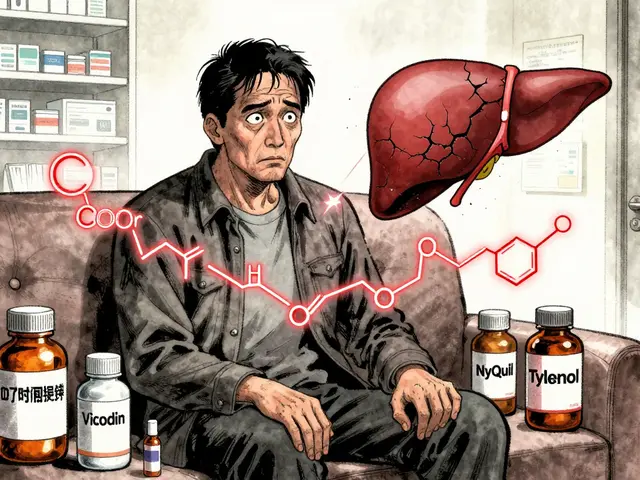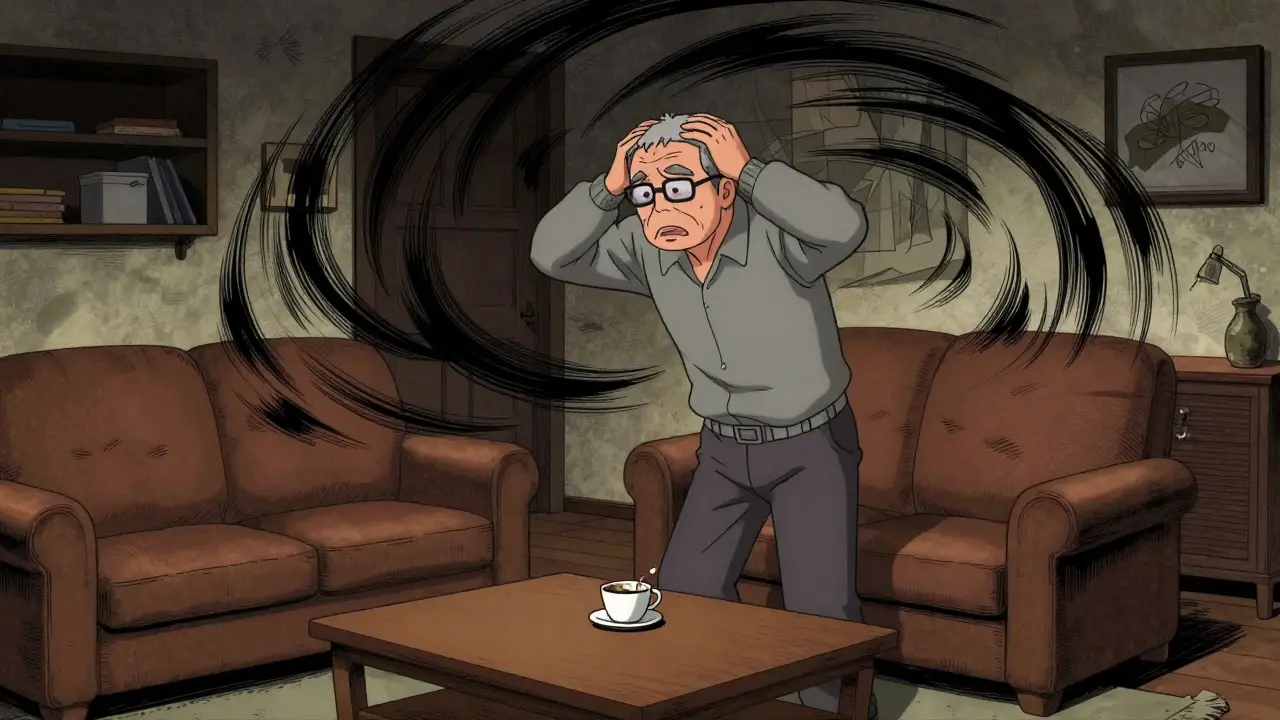
Imagine a quiet Tuesday morning. A 78-year-old man reaches for his coffee, stands up from his armchair, and suddenly feels the room spin. He stumbles, catches himself on the table, but his heart is racing. This isn't just bad luck; it’s likely the result of a medication that worked fine ten years ago but has become dangerous as his body changed. For millions of older adults, the very pills meant to keep them healthy are quietly increasing their risk of falls, confusion, and hospital visits.
You might assume that if a doctor prescribed it, it must be safe. But medicine isn't static. As we age, our kidneys process drugs slower, our livers metabolize chemicals less efficiently, and our brains become more sensitive to side effects. What was a standard dose in your 50s can become a toxic load in your 70s or 80s. This is why reviewing your medication list isn't just a bureaucratic checkbox-it's one of the most critical safety steps you can take this year.
Why Senior Bodies React Differently to Drugs
To understand why certain medications are high-risk, you have to look at what happens inside an aging body. It’s not just about "being old." It’s about specific physiological shifts. Your muscle mass decreases, which means there is less tissue for water-soluble drugs to distribute into. Your fat percentage often increases, which can cause fat-soluble drugs to stay in your system much longer than expected.
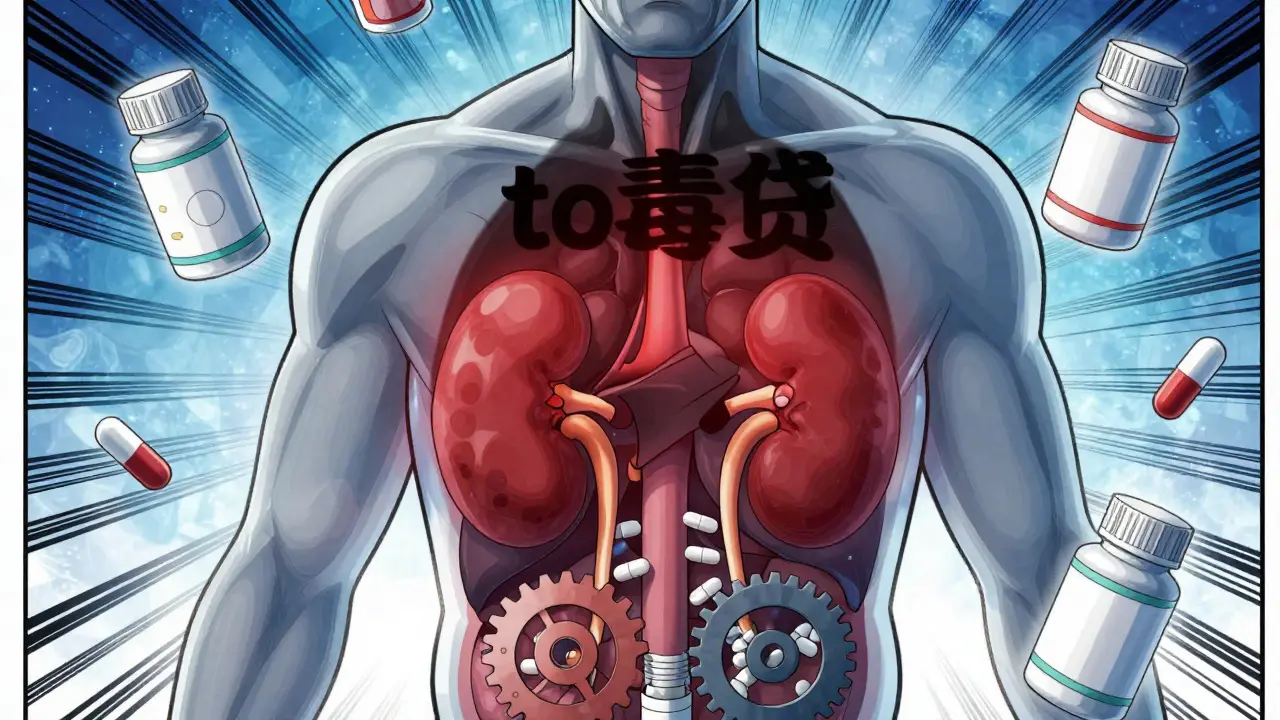
More importantly, kidney function naturally declines. The Glomerular Filtration Rate (GFR) drops with age. If you are taking a drug that relies heavily on kidney clearance-like many antibiotics or diabetes medications-the drug can build up to toxic levels even if you are taking the exact same dose you took five years ago. According to data from the Centers for Disease Control and Prevention (CDC), approximately 40% of older adults take at least five medications concurrently. This phenomenon, known as polypharmacy, multiplies the risk. Each new pill adds potential interactions, turning a manageable health profile into a complex web of dangers.
The Top High-Risk Offenders You Must Know
Not all risky drugs are created equal. Some cause immediate physical danger, like falls. Others cause slow, insidious damage, like cognitive decline. Based on the current AGS Beers Criteria and clinical data, here are the categories you need to scrutinize first.
Sedatives and Sleep Aids
If you are taking prescription sleep aids, you are walking on thin ice. Drugs like Zolpidem (Ambien®) and other non-benzodiazepine sedatives are notorious for causing residual sedation. In seniors, these drugs can linger in the system for up to 11 hours after a single dose. Studies show a 2.5-fold increased risk of falls resulting in hip fractures among adults over 65 using these chronically. Many seniors report "sleepwalking" episodes or waking up confused, unaware they were still under the influence of the drug.
Benzodiazepines (like diazepam or lorazepam) are equally concerning. They increase the risk of car crashes by 48% in drivers aged 75 and older. Furthermore, long-term use is linked to a 50% increased mortality risk over five years. The brain’s tolerance builds quickly, leading to dependence, while the balance and coordination required to walk safely deteriorate.
Anticholinergics: The Silent Cognitive Threat
This group includes common drugs for allergies, bladder control, and depression. Examples include Diphenhydramine (Benadryl®), Oxybutynin (for overactive bladder), and tricyclic antidepressants like Amitriptyline.
These drugs block acetylcholine, a neurotransmitter essential for memory and learning. The Anticholinergic Cognitive Burden (ACB) scale measures this risk. Drugs with a high ACB score can increase dementia risk by 54% with cumulative exposure. A study in *JAMA Internal Medicine* found that taking high-anticholinergic drugs for more than three years significantly accelerated cognitive decline. If you feel "foggy," dry-mouthed, or constipated, your body might be screaming that this drug class is harming your brain.
Diabetes Medications: The Hypoglycemia Trap
For blood sugar control, Glyburide (Diabeta®) is considered obsolete for most seniors. Why? Because it stays in the body too long and causes severe low blood sugar (hypoglycemia). Data shows that 29.3% of elderly patients experience hypoglycemic episodes with Glyburide, compared to just 12.7% with safer alternatives like glipizide. Low blood sugar can cause fainting, seizures, and falls. In emergency rooms, hypoglycemia is a leading cause of preventable admission for diabetics over 65.
Pain Relievers and Anti-Inflammatories
Long-acting NSAIDs (like naproxen or ibuprofen taken daily) carry high risks for gastrointestinal bleeding and kidney damage in seniors. Additionally, opioids like Meperidine (Demerol®) are strictly contraindicated because their metabolite, normeperidine, accumulates in the blood and can trigger seizures. Even commonly used muscle relaxants like Baclofen can cause excessive CNS depression, leading to drowsiness and confusion in up to 31% of elderly patients.
| Drug Class / Name | Primary Risk | Safer Alternative Strategy |
|---|---|---|
| Zolpidem (Ambien) | Falls, confusion, sleepwalking | Cognitive Behavioral Therapy for Insomnia (CBT-I); Trazodone (low dose) |
| Diphenhydramine (Benadryl) | Cognitive impairment, urinary retention | Loratadine, Cetirizine (non-sedating antihistamines) |
| Glyburide | Severe hypoglycemia | Glipizide, Metformin (if kidney function allows) |
| Oxybutynin | Mental fog, constipation, dry mouth | Tolterodine, Mirabegron, or behavioral bladder training |
| NSAIDs (Chronic use) | Kidney failure, GI bleeding | Acetaminophen, topical analgesics, physical therapy |
How to Conduct a "Brown Bag" Medication Review
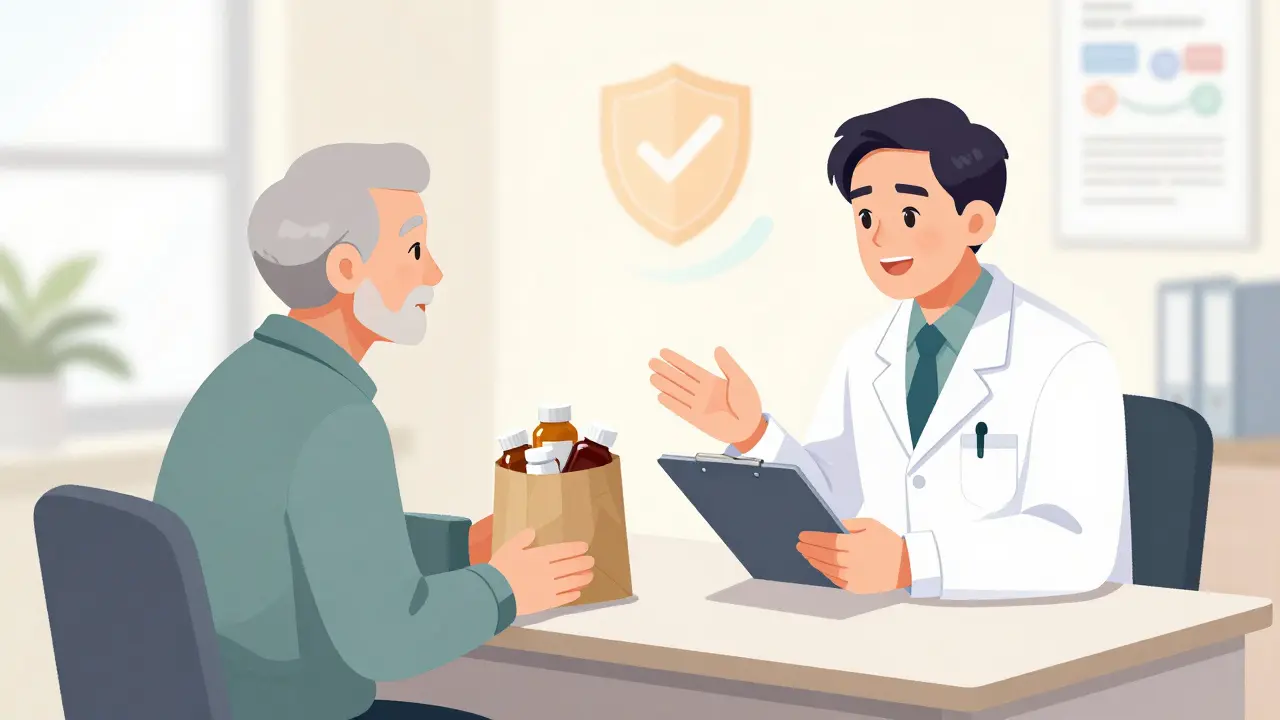
You don’t need to be a pharmacist to start protecting yourself. The most effective tool available is the "Brown Bag Review." Here is how you do it properly:
- Gather Everything: Take every pill bottle, supplement container, and over-the-counter tube out of your cabinets. Put them in a bag. Include vitamins, herbal remedies, and eye drops. Nothing is off-limits.
- Check the Dates: Look at when each prescription was last filled. If you haven't taken it in months, ask your doctor why you still have it. Unused pills clutter your routine and invite errors.
- Identify the "Why": For each med, write down the original reason it was prescribed. Is it still needed? Did the condition resolve?
- Calculate the Burden: Count how many times a day you take meds. If you are popping pills four times a day, compliance drops, and error rates spike. Ask your doctor if any can be switched to once-daily formulations.
- Ask the Hard Questions: Bring the bag to your appointment. Ask specifically: "Is this medication on the Beers Criteria list for my age?" and "Are there non-drug alternatives for this symptom?"
Health plans like Humana and Buckeye Health Plan now restrict certain high-risk drugs precisely because the data shows they cause harm. For instance, some plans limit Zolpidem to a 90-day annual supply for Medicare beneficiaries. Use these restrictions as a guide-they exist to protect you.
Navigating the Conversation with Your Doctor
Many seniors fear that asking questions will offend their physician. The truth is, good doctors want you to ask. In fact, 72% of primary care physicians consider medication review one of the top three most effective interventions for reducing hospitalizations. However, only 32% of seniors report that their doctor actively discussed medication risks during prescribing. You have to bridge that gap.
Use specific language. Instead of saying "I feel weird," say "I am experiencing daytime drowsiness since starting this allergy pill." Or, "I felt dizzy when I stood up after taking my blood pressure medication." These are red flags for orthostatic hypotension and sedation, respectively.
If your doctor prescribes a high-risk drug, ask for a tapering plan. Stopping benzodiazepines or opioids abruptly can be dangerous. A gradual reduction over 4-6 weeks, combined with non-pharmacological support (like CBT for insomnia or physical therapy for pain), is the safest path forward. Clinical pharmacists are also invaluable allies here; studies show pharmacist-led reviews reduce high-risk medication use by nearly 35% within six months.
The Future of Safe Prescribing
We are entering a new era of medication safety. The CMS Innovation Center launched the "Medication Safety for Seniors" model in January 2024, which ties financial bonuses for Medicare Advantage plans to reductions in high-risk drug use. Electronic health records from major vendors like Epic and Cerner now automatically flag Beers Criteria violations when a doctor prescribes to a patient over 65.
However, technology is only as good as the human behind it. AI-driven tools are being developed to predict individual risk based on genetics and kidney function, but today, the responsibility lies with you and your care team. The goal isn't to stop all medication-it's to ensure every pill earns its place in your regimen by providing clear benefit without unacceptable risk.
What is the Beers Criteria?
The Beers Criteria is a set of guidelines developed by the American Geriatrics Society that identifies medications that are potentially inappropriate for older adults. It helps doctors avoid prescribing drugs that have higher risks of side effects, interactions, or complications in people aged 65 and older.
Why are sleep aids dangerous for seniors?
Sleep aids like Zolpidem (Ambien) can cause prolonged sedation, confusion, and loss of balance in older adults. This significantly increases the risk of falls, hip fractures, and even car accidents if the person drives while impaired. They can also worsen existing cognitive issues.
Can over-the-counter drugs be high-risk?
Yes. Common OTC drugs like Diphenhydramine (Benadryl) for allergies or chronic use of NSAIDs (ibuprofen, naproxen) for pain can be very risky. Benadryl contributes to cognitive decline and confusion, while NSAIDs can cause stomach bleeding and kidney damage in seniors.
How often should I review my medications?
You should conduct a comprehensive medication review at least once a year, or whenever a new medication is added. If you are over 75 or take more than five medications, quarterly reviews are recommended to catch interactions and assess ongoing necessity.
What should I do if I suspect a drug is making me dizzy?
Do not stop the medication abruptly. Contact your doctor immediately to report the symptom. Dizziness can be a sign of orthostatic hypotension or interaction between drugs. Your doctor may adjust the dose, change the timing, or switch to a safer alternative.
Is Glyburide safe for diabetics over 65?
Generally, no. Glyburide is considered high-risk for seniors because it has a high likelihood of causing severe low blood sugar (hypoglycemia). Safer alternatives like glipizide or metformin (depending on kidney function) are usually preferred to prevent dangerous drops in blood glucose.
Who can help me with a medication review?
Your primary care physician is the main contact, but clinical pharmacists are highly specialized in this area. Many hospitals and pharmacies offer free medication therapy management (MTM) services. You can also use the "Brown Bag" method to prepare for appointments with any healthcare provider.