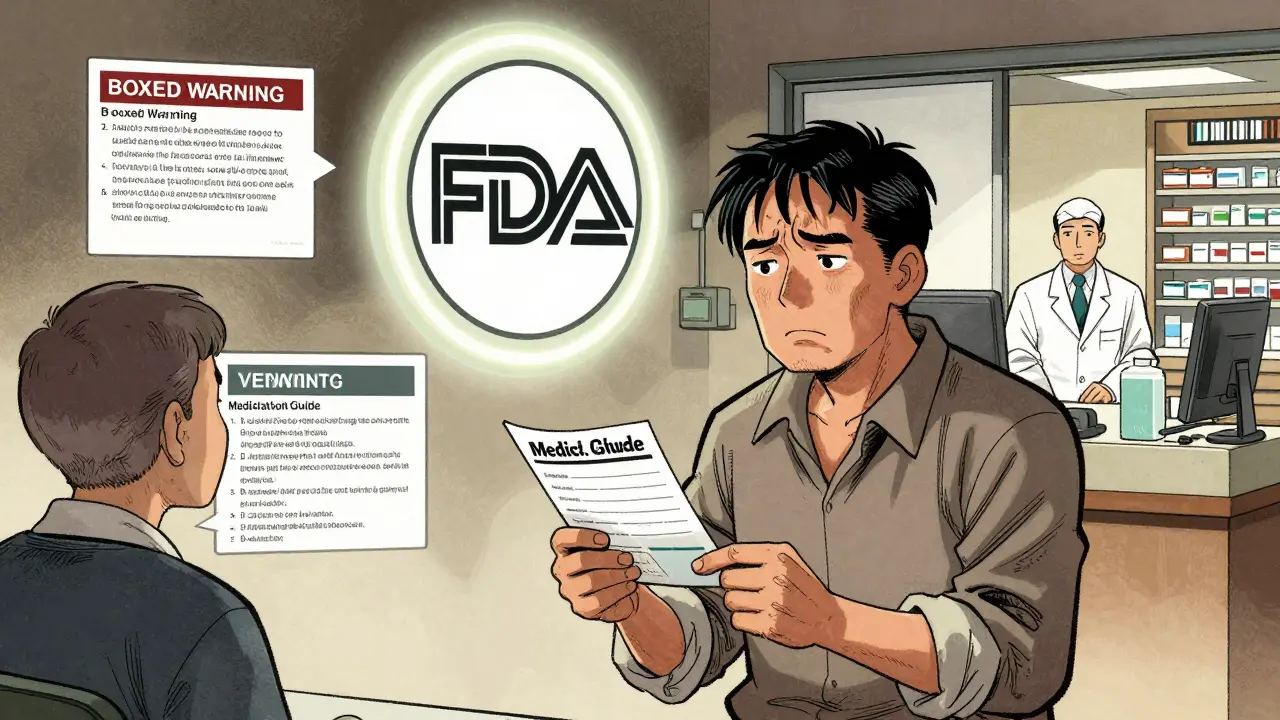
Every year, the FDA issues dozens of safety notices about medications you or someone you care for might be taking. These aren’t ads. They’re not warnings from your pharmacy. They’re official updates from the U.S. Food and Drug Administration about new risks, changes in how to use a drug, or even when to stop taking it. But if you’ve ever opened one of these documents, you probably felt lost. The language is dense. The sections blur together. And you’re left wondering: What does this mean for me?
What Are FDA Safety Communications, Really?
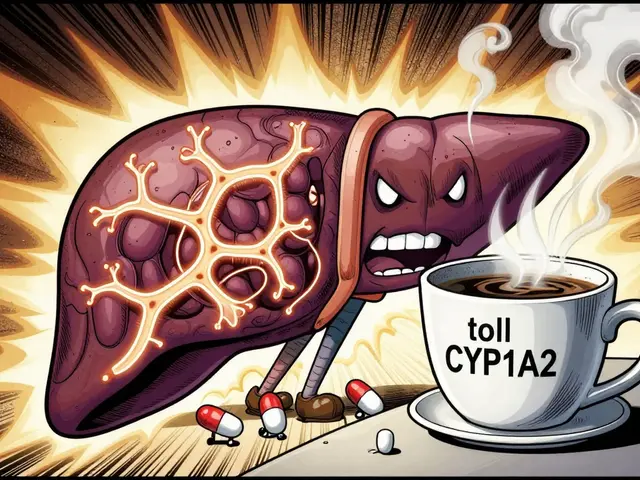
FDA Drug Safety Communications are official updates released after a drug has already been approved and is being used by millions. Think of them as the FDA’s way of saying, "We’ve seen something new-and we think you need to know." These aren’t about bad batches or manufacturing errors. They’re about risks that only show up after real people take the drug for months or years-things like liver damage, heart rhythm problems, or dangerous interactions with other medicines.
Since 2007, the FDA has had stronger powers to monitor drugs after they hit the market. That’s when the Food and Drug Administration Amendments Act gave them the authority to demand new studies, force labeling changes, and even pull drugs off shelves if needed. Today, they issue about 50 to 70 major safety communications each year. Some are urgent. Others are informational. But all of them matter.
How to Spot the Most Important Parts
Every FDA safety communication follows a clear structure. You don’t need to read every word. Just know where to look.
Start with the Boxed Warning. This is the FDA’s highest alert level. It’s called that because it’s literally boxed in the drug’s prescribing information. If a communication mentions a change to the Boxed Warning, it means the risk is serious-possibly life-threatening. For example, in a 2025 update on opioid painkillers, the FDA strengthened the Boxed Warning to say you must never stop these drugs suddenly if you’ve been using them for a while. Abruptly stopping can cause seizures, extreme pain, or even death.
Next, check the For Patients section. This part is written in plain language. It tells you what to do: "Talk to your doctor before changing your dose," or "Read the Medication Guide every time you refill your prescription." The FDA requires these guides to be written at an 8th-grade reading level and to highlight serious risks clearly. But here’s the catch: many patients never see them. Pharmacies hand them out, but they often get tossed in the bag. Make it a habit to open and read them.
Then look for Labeling Changes. These show exactly what text was added or removed from the official prescribing guide for doctors. The FDA uses bold for additions and strikethrough for deletions. For instance, a drug’s warning might change from "Use with caution in elderly patients" to "Avoid use in patients over 75 due to increased risk of confusion." That’s not subtle. That’s a hard limit.
Don’t Confuse Alerts With Communications
The FDA doesn’t just issue one kind of notice. There are Drug Safety Communications (the full reports), Drug Alerts (shorter, urgent messages), and even Compounding Risk Alerts. Patients often mix them up.
A Drug Alert might say: "One batch of metformin was found to contain a cancer-causing chemical. Stop using this lot and call your pharmacy." That’s a recall. You need to act fast.
A Drug Safety Communication might say: "New data shows that long-term use of drug X increases risk of kidney injury in patients with diabetes. Consider alternatives." That’s not an emergency. But it’s something you should discuss with your doctor at your next visit.
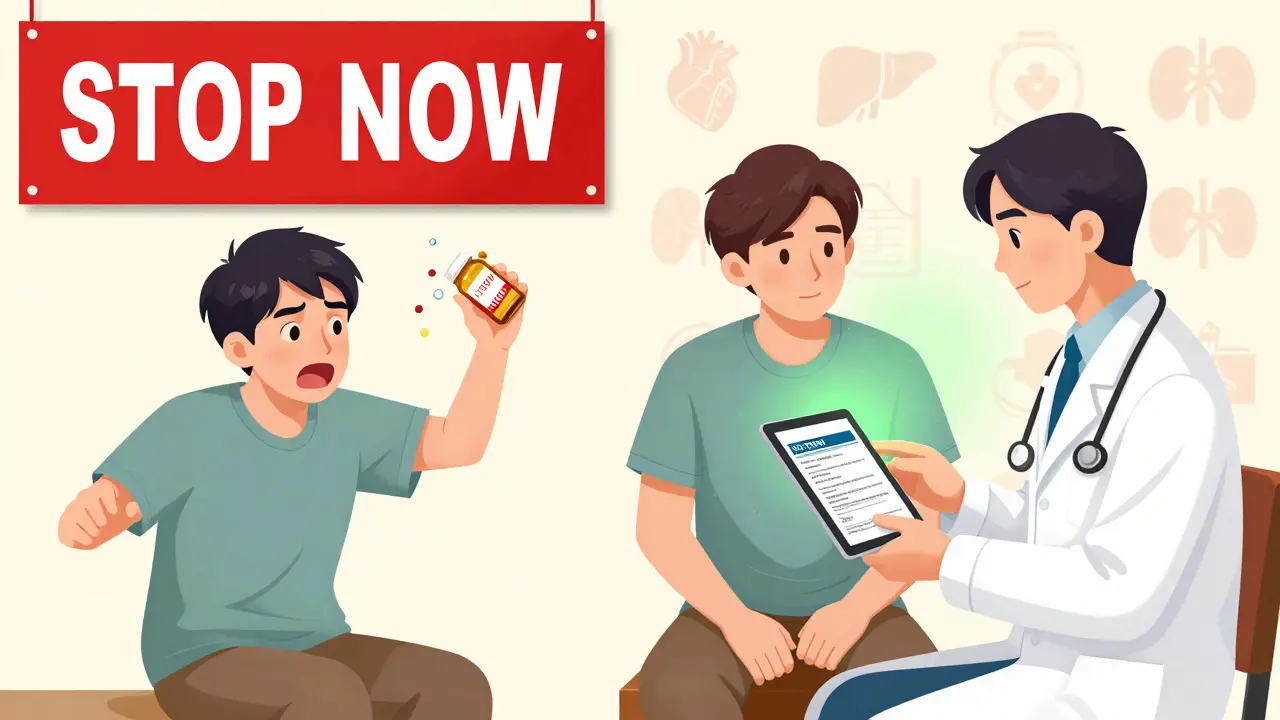
Here’s a simple rule: If the communication says "STOP using immediately," it’s urgent. If it says "Consider this information," it’s a heads-up. Don’t panic over the latter-but don’t ignore it either.
What to Do If You’re Taking a Medication Mentioned
Let’s say you’re on a drug that just got a safety update. What’s your next step?
- Don’t stop cold. Even if the warning sounds scary, quitting suddenly can be dangerous. For example, stopping antidepressants or seizure meds too fast can trigger withdrawal seizures.
- Find the Medication Guide. Look for the small paper that came with your last refill. If you don’t have it, go to the FDA’s website and search for your drug’s name + "Medication Guide." The guide will tell you what’s changed and what to watch for.
- Call your doctor or pharmacist. Don’t wait for your next appointment. Say: "I just read about a safety update for my medication. Can we talk about whether I should keep taking it?" They’ll know exactly what the FDA means and how it applies to you.
- Check your EHR. If your doctor uses an electronic health record system, ask if they’ve received the update. About one-third of these systems automatically flag FDA safety notices, but most don’t. You might need to bring it up yourself.
How to Stay Ahead of Future Alerts
You shouldn’t have to hunt for safety updates every time you refill a prescription. The FDA makes it easy to get them automatically.
Go to fda.gov/drugs/drug-safety-and-availability and sign up for email alerts. You can choose to get notified only for your specific drug, or for entire classes-like all statins, all opioids, or all diabetes drugs. You’ll get a clean, plain-language email with a link to the full communication. No jargon. No fluff.
Pharmacists and doctors use this system too. If your provider subscribes, they might already know about a change before you do. But don’t assume they’ve seen it. Always confirm.
Why This Matters More Than You Think
A 2021 study found that only 37% of primary care doctors read full FDA safety communications. Why? They’re busy. But when they do read them, 89% say the info changed how they prescribed. That’s huge.
Patients are even less likely to read them. A 2022 survey showed that 63% of patients didn’t understand the difference between a minor alert and a major safety change. That’s dangerous. One woman in a focus group said she thought a "Drug Alert" about a stomach upset meant her heart medication was unsafe. She stopped taking it-and ended up in the ER.
The FDA knows this. That’s why they’ve started testing plain-language summaries for the most serious updates. Since 2023, some communications now come with a one-page version written for patients. It’s still early, but it’s a step in the right direction.
What You Can Do Today
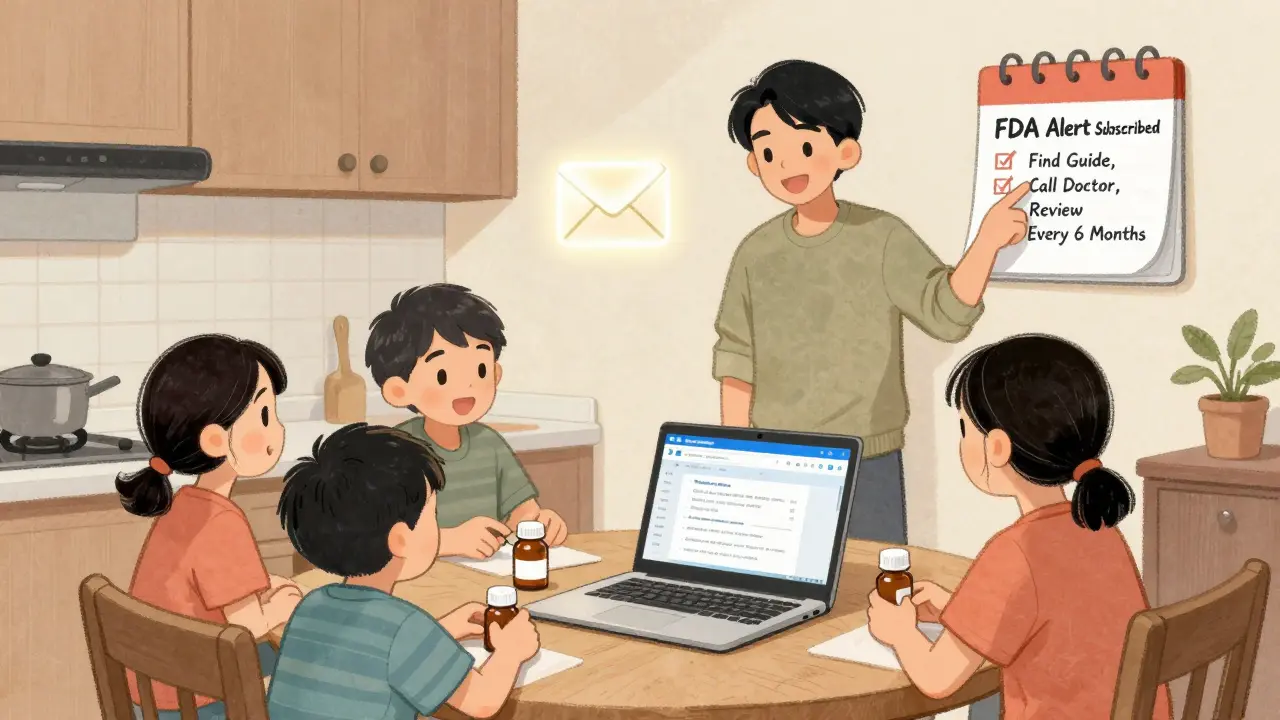
Here’s a quick checklist to get started:
- Find the Medication Guide for every prescription you take. Keep them in one folder.
- Sign up for FDA email alerts for your top 3 medications.
- Next time you refill a prescription, ask your pharmacist: "Has there been any new safety info on this drug?"
- If you’re on a high-risk drug-like blood thinners, opioids, or psychiatric meds-schedule a 10-minute check-in with your doctor every six months to review safety updates.
You don’t need to be a doctor to understand these notices. You just need to know where to look-and who to ask. The FDA doesn’t hide the information. But they don’t shout it either. It’s up to you to find it, understand it, and use it to protect your health.
Are FDA safety communications the same as drug recalls?
No. A drug recall means a specific batch or product is defective or contaminated and should be pulled from shelves. FDA safety communications are about new health risks discovered after a drug is already in use. You might still be able to take the drug, but you need to know the risks. Recalls are urgent and immediate. Safety communications are about informed decisions.
What should I do if I see a Boxed Warning on my medication?
A Boxed Warning is the FDA’s strongest alert. It means the drug carries a serious, possibly life-threatening risk. Don’t panic. Don’t stop taking it without talking to your doctor. But do schedule a visit soon. Ask: "Is this risk relevant to me? Are there safer alternatives?" Your doctor can help you weigh the benefits against the risk based on your health history.
Why do some medications get safety updates years after they’re approved?
Drugs are tested in thousands of people before approval-but real-world use involves millions. Some side effects only appear after long-term use, or in people with other health conditions that weren’t in the original trials. The FDA monitors real-world data from doctors, hospitals, and patient reports. It can take years to collect enough evidence to confirm a risk. That’s why safety updates often come later than people expect.
Can I trust the FDA’s safety communications?
Yes. The FDA bases these updates on real data-post-market studies, hospital reports, and clinical trials-not rumors or marketing. While critics say updates sometimes come too slowly, the process is transparent. Every communication lists the evidence behind it. You can check the source. If you’re unsure, ask your doctor to explain the data. The FDA doesn’t make decisions lightly.
Do these updates apply to generic drugs too?
Yes. Generic drugs have the same active ingredients as brand-name versions, so safety updates apply to both. If the FDA issues a warning for Lipitor, it also applies to atorvastatin. Always check the active ingredient on your prescription label, not just the brand name.
How often should I check for safety updates?
Set up email alerts from the FDA for your medications-that’s the easiest way. If you don’t, review your Medication Guides every time you refill a prescription. Most changes happen once or twice a year per drug. But if you’re on a high-risk medication, check every three months. Better safe than sorry.

bro i just signed up for FDA alerts for my blood pressure med yesterday. been taking it for 5 yrs and never checked. dumb move. thanks for the nudge 🙏
It is imperative that patients understand the distinction between a drug recall and a safety communication. Misinterpretation may lead to life-threatening noncompliance. Please ensure clarity in future communications.
THIS. 😍 I just got my first FDA alert email for my antidepressant. I read the guide, called my doc, and we adjusted my dose. Feels good to be in control 💪
I never realized how much I ignored those little Medication Guide papers. Now I keep them in a binder with my other health stuff. Small habit, big difference.
my grandma stopped her statin after seeing a drug alert about muscle pain. she didn’t know it was just a warning, not a recall. ended up in the hospital with a clot. please, read the whole thing before acting.
the boxed warning section is everything. i used to skip to the bottom but now i start there. if it’s boxed, it’s serious. if it’s not, still pay attention but don’t lose sleep over it. simple rules save lives
generic vs brand name confusion is real. i took my cousin’s atorvastatin because his bottle looked like my Lipitor. turned out they’re the same. saved me $80. FDA’s point about generics is spot on.
why do we wait for government agencies to warn us? shouldn’t we be asking for this data proactively? the system is reactive, not preventive. we’re trained to trust authority, but maybe we should question why the data takes years to surface. is it science-or bureaucracy?
you guys are doing it right. i tell my coworkers to check their meds every refill. one guy just found out his diabetes drug had a kidney warning. he’s switching to metformin now. small wins, man. keep spreading this stuff
THE FDA doesn’t hide info they just dont scream it like a clickbait site. and thats the problem. we’ve been trained to ignore slow-burn warnings. but this? this is the difference between living and dying. i printed the guide for my heart med. taped it to my mirror. every morning i read it. not because i’m scared. because i’m alive. and i owe that to paying attention