
Think about the last time you bought something just because everyone else did. Maybe it was a new pair of sneakers, a snack you’d never tried before, or even the way you talked about your day. You didn’t do it because you did a deep dive into reviews or compared prices. You did it because your friends were doing it. That’s not coincidence. That’s social influence-and it’s working on you more than you realize.
Why You Copy What Others Do
Humans are wired to fit in. Not because we’re weak, but because it kept us alive. For most of human history, being accepted by your group meant food, protection, and safety. Today, that same drive shows up in how we choose what to wear, what to eat, even what music we listen to. It’s not about being a follower-it’s about belonging. Studies show that when people are unsure what to do, they look to others. In one classic experiment from the 1950s, Solomon Asch asked participants to match line lengths. When everyone else in the room gave the wrong answer on purpose, 76% of participants went along with them-even when the right answer was obvious. That’s not stupidity. That’s the brain trying to avoid standing out. Modern brain scans confirm this. When people change their minds to match a group, the ventromedial prefrontal cortex and ventral striatum light up. These are the same areas that activate when you feel pleasure from food, money, or sex. In other words, conforming doesn’t feel like giving in. It feels like winning.It’s Not Just About Friends-It’s About Status
Not all peer influence is equal. You’re more likely to copy someone you see as popular, cool, or high-status than someone you barely know. Research from Florida Atlantic University found that when teens saw a peer with high social standing promote a behavior-like vaping or volunteering-their likelihood of doing it jumped by nearly 40%. But if the same behavior came from a peer with average status, the effect dropped in half. This isn’t just about teens. Adults do it too. Think about how often you choose a restaurant because it’s crowded, or buy a product because an influencer you admire uses it. You’re not being manipulated. You’re using a mental shortcut: if someone I respect is doing it, it’s probably worth trying. But here’s the twist: influence works best when the status gap isn’t too big. If someone seems completely out of your league, you don’t copy them-you ignore them. The sweet spot? Someone just a little ahead of you. That’s why peer-led health programs work better than celebrity campaigns. A classmate who quit smoking is more convincing than a movie star.The Hidden Trap: Thinking Everyone’s Doing It
One of the most powerful-and dangerous-effects of social influence is the illusion that everyone else is doing something you’re not. This is called pluralistic ignorance. In a 2014 study, 67% of high school students believed their peers drank alcohol more often than they actually did. The truth? Most students drank less than they thought. But because they assumed everyone else was drinking, they felt pressure to join in. This misperception drives everything from underage drinking to social media envy. You scroll through Instagram and think everyone’s traveling, thriving, and happy. But you’re seeing a highlight reel. Meanwhile, the quiet kid in your class who seems reserved? They’re probably feeling just as lost as you are. The CDC’s ‘Friends for Life’ program tackled this head-on. Instead of telling teens not to vape, they showed them real data: “Only 1 in 5 students in this school vapes.” They used peer leaders to spread the truth. Within a year, vaping dropped by almost 20%. The fix wasn’t fear. It was facts.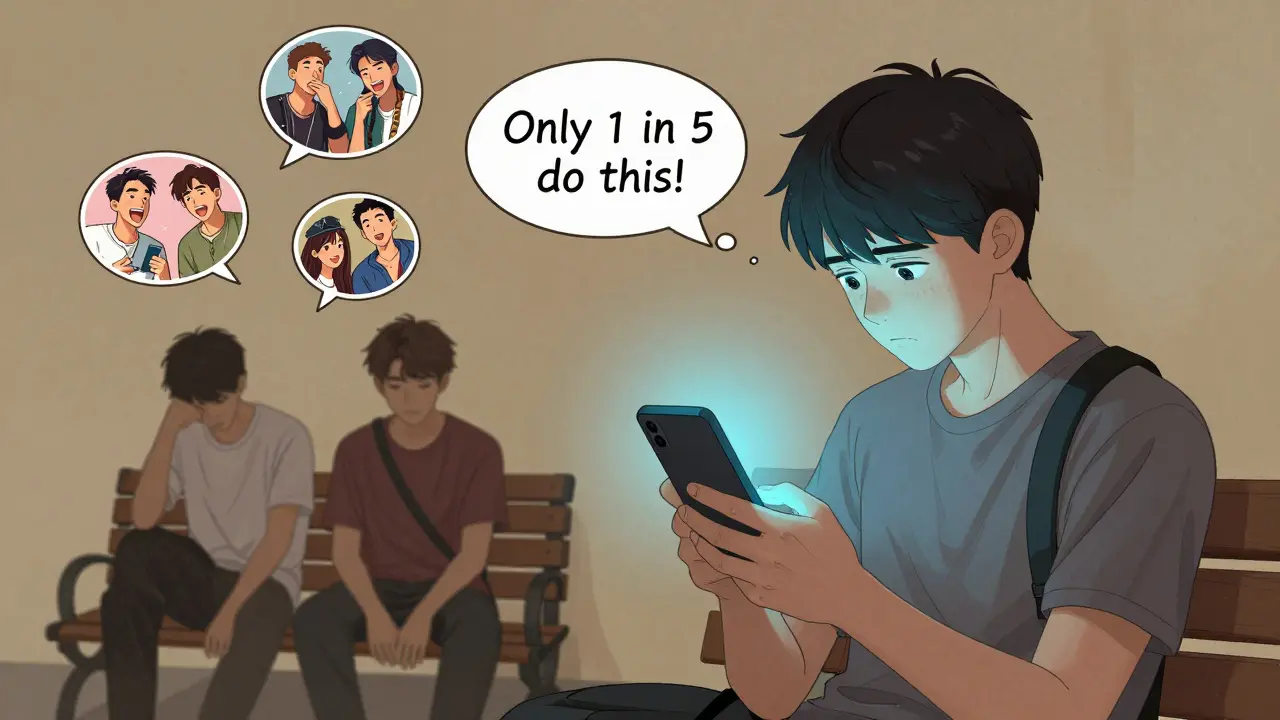
When Influence Turns Good
Social influence isn’t always bad. In fact, it’s one of the most effective tools we have for positive change. In schools where peer leaders were trained to model healthy behaviors-like studying together, speaking up against bullying, or preparing for emergencies-student outcomes improved dramatically. One program boosted emergency readiness by nearly 30%. Another increased homework completion by 25%. Why? Because kids trusted their peers more than teachers or posters. Neuroscience backs this up. When people see someone like themselves making a good choice, their brains respond as if they’re already doing it. That’s called neural mirroring. It’s why role models matter more than lectures. Even in mental health, peer influence helps. A 2020 study tracked 1,200 teens over two years and found that depressive symptoms spread through friend groups-not because sadness is contagious, but because norms are. If your group talks openly about stress and seeks help, you’re more likely to do the same. If your group hides emotions, you learn to do it too.How to Use This Knowledge-Without Being Manipulated
You can’t avoid social influence. You’re part of networks-family, school, work, social media. But you can control how it affects you. Start by asking: Who am I copying, and why? If you’re buying something because it’s trending, pause. Is it because you actually like it-or because you fear being left out? Surround yourself with people whose choices you admire. If you want to eat better, spend time with people who cook at home. If you want to read more, join a book club with thoughtful readers. Your environment shapes your behavior more than your willpower. And if you’re trying to change something-your habits, your kids’ behavior, your team’s culture-don’t preach. Model. Find one or two people who are open to change and support them. Let them become the new normal.
The Dark Side: When Influence Is Sold to You
Here’s the uncomfortable truth: companies know how this works. That’s why TikTok trends explode overnight. Why Instagram influencers get paid thousands to hold a water bottle. Why ads show “10,000 people bought this today.” The behavioral influence tech market is projected to hit $4.7 billion by 2027. That’s billions spent on algorithms that detect who’s most likely to follow trends-and then target them with tailored nudges. Platforms like Facebook and YouTube use your network to push content. If your friends watch a video, you’re more likely to see it-even if you never searched for it. It’s not random. It’s engineered. The ethical line is blurry. Is it okay for a health app to show you how many friends are meditating? Maybe. Is it okay for a soda company to pay teens to post about drinking their product? That’s manipulation. The key is transparency. If you’re being nudged, you should know it. And if you’re influencing others-whether as a parent, teacher, or friend-ask yourself: Am I helping them think for themselves-or just getting them to obey?What This Means for You
You don’t need to fight social influence. You need to understand it. Your choices aren’t always yours. But they can be. The more you notice when you’re being pulled by the crowd, the more space you create for your own values to show up. Next time you’re about to buy something because “everyone’s doing it,” ask: Who’s ‘everyone’? Are they really like me? Or am I imagining them? Real change doesn’t come from willpower alone. It comes from changing the people around you-or choosing better ones to be around. The truth is simple: you are shaped by your peers. But you also shape them. Be intentional about it.Why do I feel pressure to do what my friends do even when I don’t want to?
It’s not weakness-it’s biology. Your brain is wired to avoid social rejection. When you see others doing something, your brain interprets it as a signal of safety or reward. This is especially strong in adolescence, but it lasts into adulthood. The feeling isn’t about the action itself-it’s about your fear of being left out. Recognizing this helps you pause before acting.
Can social influence be used to improve my habits?
Absolutely. People are far more likely to adopt healthy habits when they see someone they relate to doing it. Join a running group, find a study buddy, or follow peers who post about their wellness routines. Real, relatable examples work better than ads or articles. The key is connection-not perfection.
How do I know if I’m being influenced or making my own choice?
Ask yourself: Would I still do this if no one else was doing it? If the answer is no, you’re likely being influenced. Try writing down your reasons before making a decision. If most of them mention “everyone,” “my friends,” or “it’s popular,” that’s a red flag. True personal choice comes from internal values-not external pressure.
Why do some people resist peer pressure while others don’t?
It’s not about personality alone. Research shows susceptibility depends on three things: how much you value belonging, how strong your social ties are, and whether you have a clear sense of your own values. People who are confident in their identity are less likely to conform-even in high-pressure groups. Building self-awareness and choosing supportive friends reduces vulnerability.
Is social influence stronger online than in real life?
Online, influence spreads faster and wider, but it’s often weaker. You see thousands of people doing something, but you don’t know them. Real-life influence is stronger because it’s personal. A friend asking you to join them for a walk has more impact than a viral video. The most effective influence combines both: seeing real people you know doing something, then seeing it amplified online.
What’s the difference between peer influence and peer pressure?
Peer pressure is direct and often negative-it’s someone pushing you to do something you’re uncomfortable with. Peer influence is subtle and usually indirect-it’s noticing what others do and unconsciously adjusting your own behavior. You can be influenced without anyone saying a word. That’s why it’s harder to spot-and more powerful.
Can social influence change long-term behavior?
Yes, if it’s repeated and consistent. A single trend won’t stick. But if your friends keep choosing healthy meals, going to bed early, or speaking up in meetings, you’ll start doing it too-even after they stop noticing. Behavior becomes identity over time. That’s why lasting change starts with your circle, not your goals.




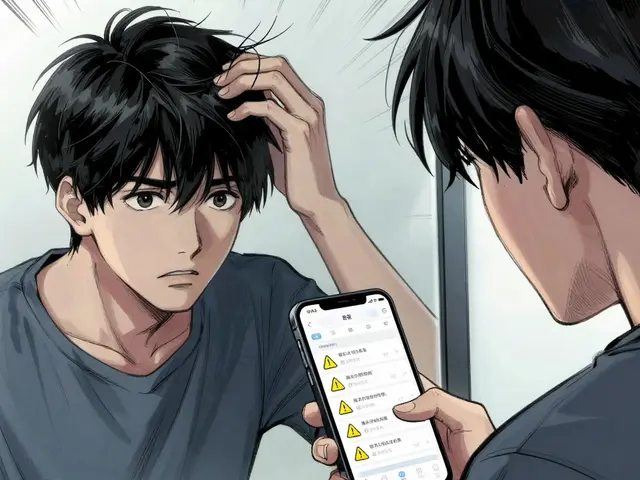


It’s not that we’re weak for following the crowd-it’s that our brains evolved to treat social alignment like a survival signal. The same neural pathways that light up when you eat chocolate or get paid also fire when you nod along with the group, even if you know they’re wrong. That’s not conformity. That’s biology playing the long game. We didn’t survive as a species by being lone wolves. We survived because we learned to sync up.
But here’s the catch: syncing doesn’t mean surrendering. You can belong without becoming a mirror. The key is awareness. Notice when you’re adjusting your behavior not because you want to, but because you’re afraid of standing out. That’s not weakness. That’s data.
And once you see it, you can choose differently. Not by fighting your nature, but by redirecting it. Surround yourself with people whose quiet habits you admire. Let their consistency become your compass. That’s how change sticks-not through willpower, but through environment.
It’s not about resisting influence. It’s about curating it.
ok so like… what if the whole ‘social influence’ thing is just a distraction? like… what if big tech and the gov are using this ‘you copy your friends’ narrative to make us feel guilty for liking things we like, while they’re secretly programming our brains through ads and algorithms? i mean… did you know the same people who studied asch’s line experiment also worked on mind control programs in the 50s? just saying.
The neuroeconomic framework here is solid. The ventromedial prefrontal cortex (vmPFC) and ventral striatum activation during social conformity aligns with predictive coding models-where social consensus reduces prediction error, triggering dopaminergic reward signals. This isn’t just ‘feeling good’-it’s the brain minimizing cognitive dissonance through alignment.
What’s underreported is the role of the anterior cingulate cortex (ACC) in detecting social deviance. When you deviate from group norms, ACC activity spikes, creating discomfort. That’s why people conform even when they know they’re wrong. It’s not irrational-it’s homeostatic.
And yes, the ‘just one step ahead’ principle is critical. The social comparison heuristic operates on relative status, not absolute prestige. That’s why peer-led interventions outperform top-down campaigns. The brain doesn’t respond to authority-it responds to proximity.
What’s missing is the discussion of cultural variance. Collectivist societies show higher baseline conformity rates. Individualist cultures show more resistance, but only when identity is primed. Context matters more than personality.
So let me get this straight… we’re all just sheep who got a PhD in ‘social proof’ and now we’re writing essays about why we follow trends? Cool. I’ll just go buy the same sneakers everyone else is buying because… you know… I’m not a sheep. I’m a critical thinker. With a PayPal balance.
I read this entire post and I’m concerned. You’re framing social influence as neutral, but it’s not. It’s a tool. And tools are used by those with power. Who gets to be the ‘peer leader’? Who gets to define what’s ‘cool’? The system doesn’t randomly pick influencers-it picks those who fit the mold. And if you’re not part of that mold, you’re not just ignored-you’re erased. This isn’t about belonging. It’s about control disguised as connection.
I’ve seen it in workplaces. The quiet kid who speaks up gets labeled ‘weird.’ The loud one who parrots corporate jargon gets promoted. That’s not influence. That’s selection bias dressed up as psychology.
So yes, understand it. But don’t celebrate it. Question who benefits.
Oh wow. Another ‘psychology is magic’ blog post. Let me guess-you think if we just ‘become aware’ of social influence, we’ll magically transcend human nature? Wake up. You’re not a philosopher. You’re a marketing pamphlet with a thesaurus. The truth? We’re not wired to ‘belong.’ We’re wired to be manipulated. And you just gave a 2,000-word manual on how to do it better.
Every single example you gave-vaping, sneakers, restaurants-isn’t ‘influence.’ It’s exploitation. Corporations don’t care about your ‘identity.’ They care about your click. Your data. Your wallet. The ‘peer leader’? Paid $500 to post a photo with a soda. The ‘real data’ campaign? Funded by a nonprofit with ties to Big Pharma.
You think you’re enlightening people? You’re just training them to distrust their instincts so they’ll trust the next ‘expert’ telling them what to do. Congratulations. You’ve become the algorithm.
Coming from India, I’ve seen this play out differently. In my village, if someone started eating healthier, the whole block followed-not because of status, but because community = survival. No one needed a TikTok trend. Just a neighbor cooking dal with less oil, and suddenly everyone was doing it.
But here’s the thing: in cities, influence is performative. In villages, it’s practical. Online, it’s manufactured. Real change happens when influence is embedded in daily life, not in hashtags.
My aunt quit sugar after seeing her sister’s diabetes diagnosis. No influencer. No app. Just a shared meal and a quiet conversation. That’s the kind of influence that lasts.
Technology amplifies, but it doesn’t replace. The real power is still in the kitchen, the schoolyard, the bus stop.
Man, I used to think I made my own choices. Then I realized I bought that hoodie because my roommate had one. I started drinking matcha because someone on Instagram posted it. I even started saying ‘literally’ all the time because my coworkers did.
Turns out I’m not special. We’re all just copying each other, and we call it ‘taste.’
This post is dangerously naive. You talk about ‘curating your circle’ like it’s a lifestyle brand. But not everyone gets to choose their peers. Some of us are stuck with toxic families, abusive workplaces, or schools where the only ‘influence’ is bullying. You’re not helping-you’re gaslighting people who don’t have the privilege of ‘choosing better friends.’
Real change isn’t about mindset. It’s about power. And until you fix that, all your ‘peer leaders’ are just Band-Aids on a bullet wound.
One of the most powerful things I’ve seen? A high school teacher who didn’t lecture about mental health. She just started sharing her own therapy journey-casually, honestly. No grand speech. Just, ‘I went today. It helped.’
Within weeks, three students asked her how to find a therapist. A year later, the school had a peer support group. No funding. No campaign. Just one person being real.
You don’t need to be perfect. You just need to be visible.
bro this is so true. i was like why i keep buying those energy drinks? then i realized my roomies drink it every morning and i just… copy. no one told me to. i just saw it and now i do it too. its like my brain just auto-pilot. but now i try to notice. like, if i was alone would i still do it? and most times the answer is no. so i stop. its small but it helps.