Acetaminophen Dose Calculator
Acetaminophen Safety Calculator
Acetaminophen (Tylenol) is the #1 cause of acute liver failure in the US. The safe daily limit is 150 mg per kilogram of body weight. Even small overdoses from combining multiple products can cause permanent liver damage.
Current Daily Acetaminophen Intake:
This is the total acetaminophen you're taking daily from all sources
Safety Threshold:
This is the maximum safe daily dose based on your weight
Risk Assessment:
Your dose is below the safe limit. Continue monitoring, but you're not at immediate risk.
Your dose is approaching the safe limit. Stop taking acetaminophen immediately and consult a doctor.
Your dose exceeds the safe limit. Stop taking acetaminophen immediately and seek emergency care.
When someone suddenly becomes confused, yellow-eyed, and vomiting - and you didn’t see it coming - it could be fulminant hepatic failure from a medication. This isn’t a slow decline. It’s a lightning strike on the liver. In just days, a healthy person can slip into coma or die unless someone recognizes the signs fast. And here’s the truth: most cases are preventable - if you know what to look for.
What Exactly Is Fulminant Hepatic Failure?
Fulminant hepatic failure (FHF), also called acute liver failure, happens when the liver shuts down in weeks - or even days - in someone who had no prior liver disease. It’s not cirrhosis. It’s not alcohol damage. It’s a sudden, catastrophic collapse. Three things define it: jaundice (yellow skin and eyes), encephalopathy (brain confusion, personality changes, slurred speech), and coagulopathy (blood that won’t clot).
The word "fulminant" comes from Latin for "to strike like lightning." And that’s exactly how it hits. In the U.S., about 2,000 cases happen every year. Nearly half of them - 46% - are caused by medications. That’s more than viruses, more than autoimmune disease, more than toxins. Medications are the biggest cause.
Acetaminophen: The Silent Killer
Acetaminophen - the active ingredient in Tylenol, Vicodin, Percocet, and dozens of other pills - is responsible for 46% of all medication-induced acute liver failure in the U.S. That’s not a typo. Nearly half.
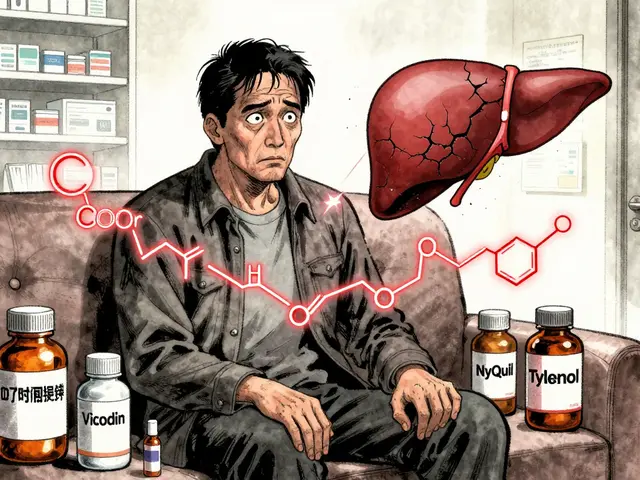
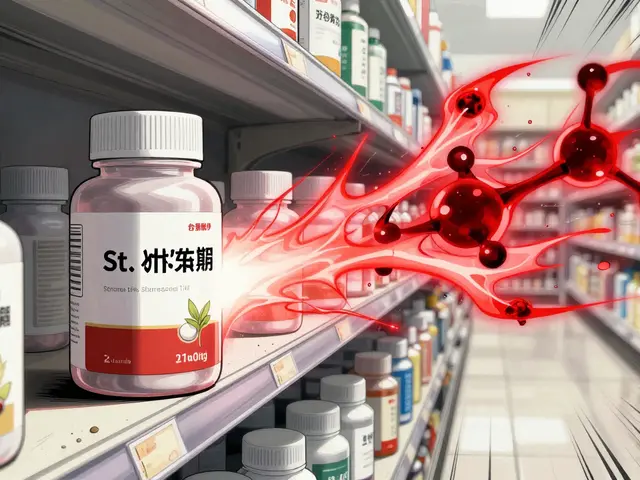
People think it’s safe because it’s over-the-counter. But the line between therapeutic and toxic is thin. More than 7.5 grams in a single day - or 150 mg per kilogram of body weight - can trigger liver death. That’s just 15 extra-strength tablets. Many patients don’t realize they’re taking multiple products with acetaminophen: a cold medicine at night, a painkiller during the day, and a prescription combo like hydrocodone/acetaminophen. Add them up, and you hit 5, 6, even 8 grams without meaning to.
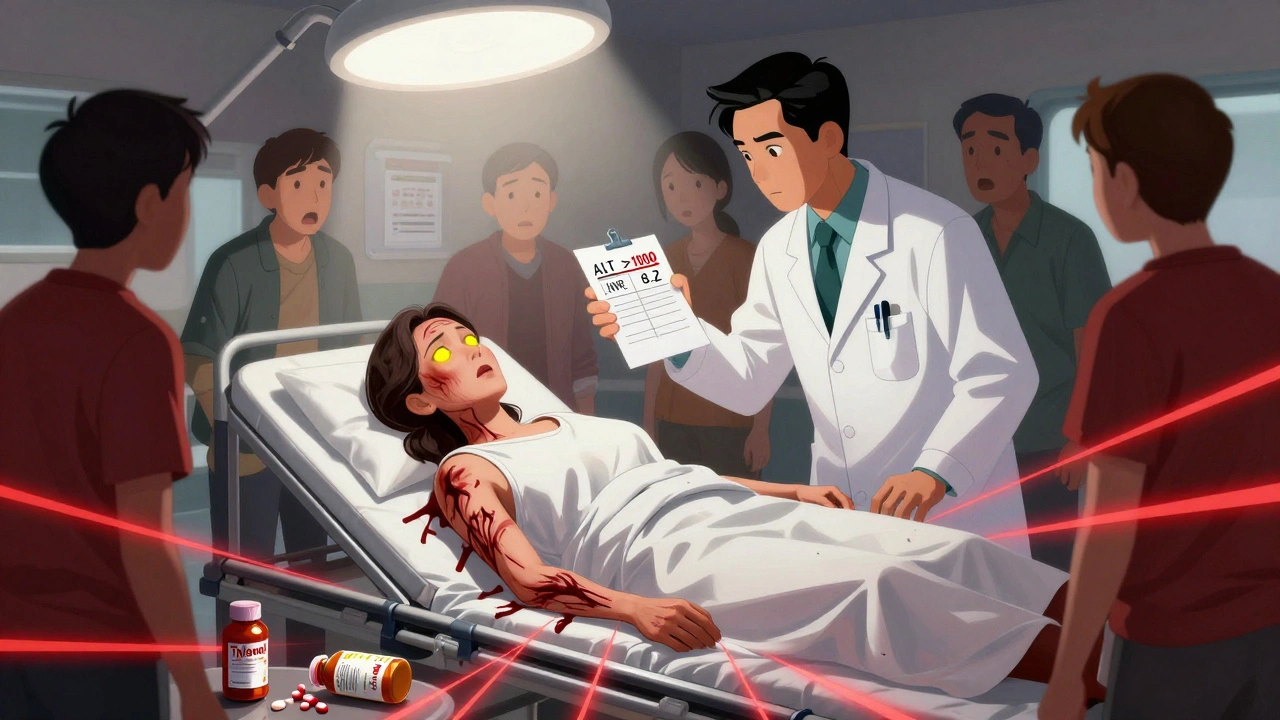
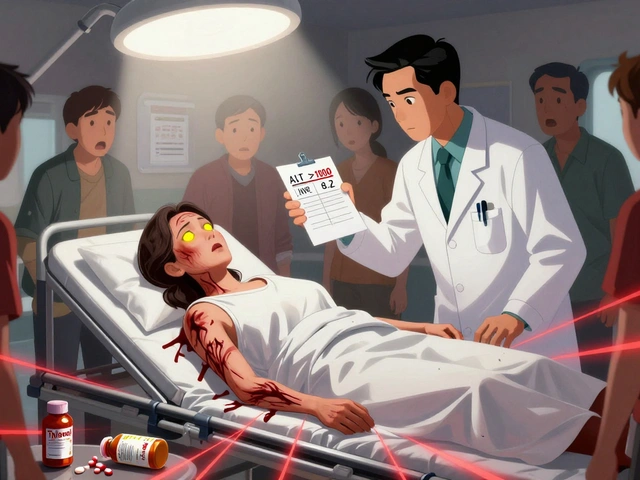
Doctors see this every day. A 52-year-old woman with chronic back pain takes 4 grams a day - the "recommended" dose - for months. Then she gets a bad cold and adds a cold tablet with acetaminophen. She hits 6 grams. Two days later, she’s confused. Her INR is 8.2. Her liver is gone.
The biochemical red flag? ALT above 1,000 IU/L, with ALT higher than AST - a ratio over 2:1. That’s the fingerprint of acetaminophen toxicity. And if the INR climbs past 6.5 within 48 to 96 hours? Survival without transplant drops to 10%.
Other Medications: The Hidden Triggers
Acetaminophen is the biggest offender, but it’s not the only one. Antibiotics like amoxicillin-clavulanate (Augmentin) can cause liver failure too. But they don’t act fast. They take weeks. The patient thinks they have a virus. They’re tired. Their skin is yellow. Their alkaline phosphatase is sky-high. Their jaundice lasts more than 18 days before encephalopathy hits. It looks like hepatitis - until it doesn’t.
Anticonvulsants like valproic acid? They cause microvesicular steatosis - tiny fat droplets inside liver cells. The ammonia level shoots up over 150 μmol/L before confusion starts. It’s easy to miss. The patient is on the drug for seizures. No one thinks to check liver enzymes until it’s too late.
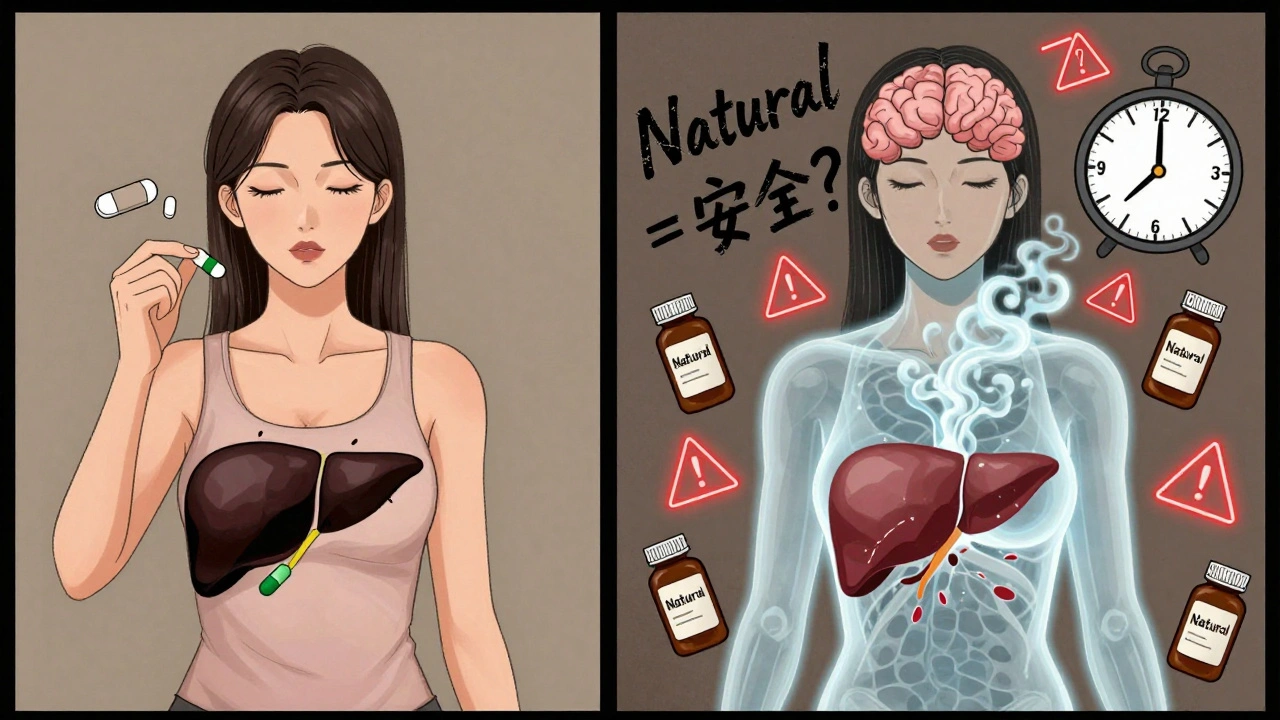
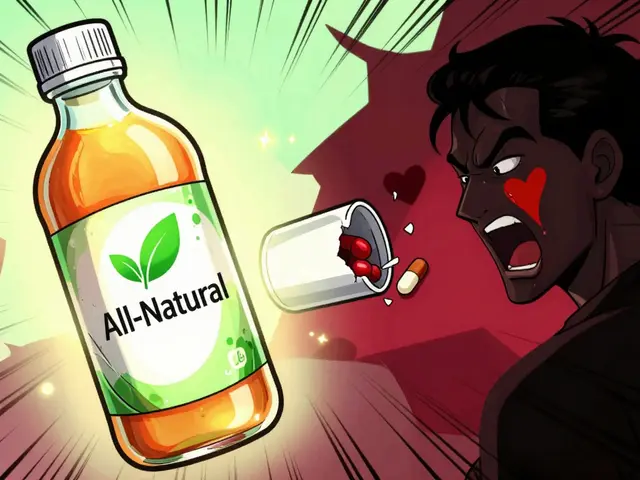
Herbal supplements are the fastest-growing cause. Green tea extract - specifically epigallocatechin-3-gallate (EGCG) - has caused over 40% of supplement-related liver failures in recent years. People take 800 mg or more daily thinking it’s "natural" and safe. They don’t connect the dots between their daily green tea pill and the nausea, dark urine, and confusion that follow. Median time to failure? 90 days. Female? 76% of cases.
Kava, comfrey, skullcap - all linked to liver death. And here’s the worst part: most patients don’t tell doctors they’re taking them. They think supplements aren’t "real medicine."
Recognizing the Signs: The Emergency Checklist
Time is everything. Every hour counts. If you’re in the ER and someone has nausea, vomiting, and jaundice - even if they say they didn’t take anything - run these tests immediately:
- ALT, AST, INR
- Acetaminophen level - even if they deny taking it
- Bilirubin
- Ammonia
- Arterial pH
Why check acetaminophen if they deny it? Because 23% of acetaminophen-induced liver failure cases lie - or forget. They took a pill at a party. They didn’t realize the cold medicine had it. They took two prescriptions with acetaminophen and didn’t count.
Watch for subtle signs. Family members report "personality changes" in 89% of encephalopathy cases. The patient gets quiet. Irritable. Forgetful. They can’t tie their shoes. They sleep all day. These aren’t "just stress." They’re brain damage from liver failure.
INR ≥1.5 is the first warning. INR ≥3.5 with creatinine over 3.4 mg/dL and pH below 7.3 at 96 hours? That’s a death sentence without transplant. The King’s College Criteria exist for a reason: they tell you when to stop hoping and start calling a transplant center.
What Happens Next? The Race Against Time
If acetaminophen is the cause and you catch it within 8 hours? N-acetylcysteine (NAC) can save the liver. It’s not a miracle. But it works. In 67% of cases, the liver recovers completely. But if you wait 24 hours? Survival drops to 30%.
For other drugs? NAC doesn’t help. The only option is transplant. And transplant centers need time. They need to evaluate. They need to match organs. The average time from ER to transplant for medication-induced failure is 72 hours. If you delay recognition by 12 hours? You lose that window.
That’s why the Acute Liver Failure Study Group now pushes a 30-minute triage protocol in ERs: if nausea + jaundice is present, order ALT, INR, and acetaminophen level - right now. No waiting. No "let’s see how it develops."
Why Do So Many Miss It?
Because it looks like something else.
Doctors mistake it for gastroenteritis. For viral hepatitis. For a bad flu. One Johns Hopkins study found 17 cases where NSAID-induced liver injury was labeled as stomach bugs. The delay? Over five days. By then, the liver was gone.
Another trap: idiosyncratic reactions. These are unpredictable. They happen in 1 in 10,000 people. No one can screen for them. But once they happen, they’re deadly. One patient on anti-TB drugs was diagnosed with hepatitis B - until the liver biopsy showed drug-induced damage. Four days later, he was on the transplant list.
And then there’s the documentation gap. Too many charts say "patient on Tylenol." No dose. No duration. No mention of supplements. Without that, you can’t trace the cause. And without knowing the cause, you can’t predict the outcome.
What’s Changing? New Tools, New Rules
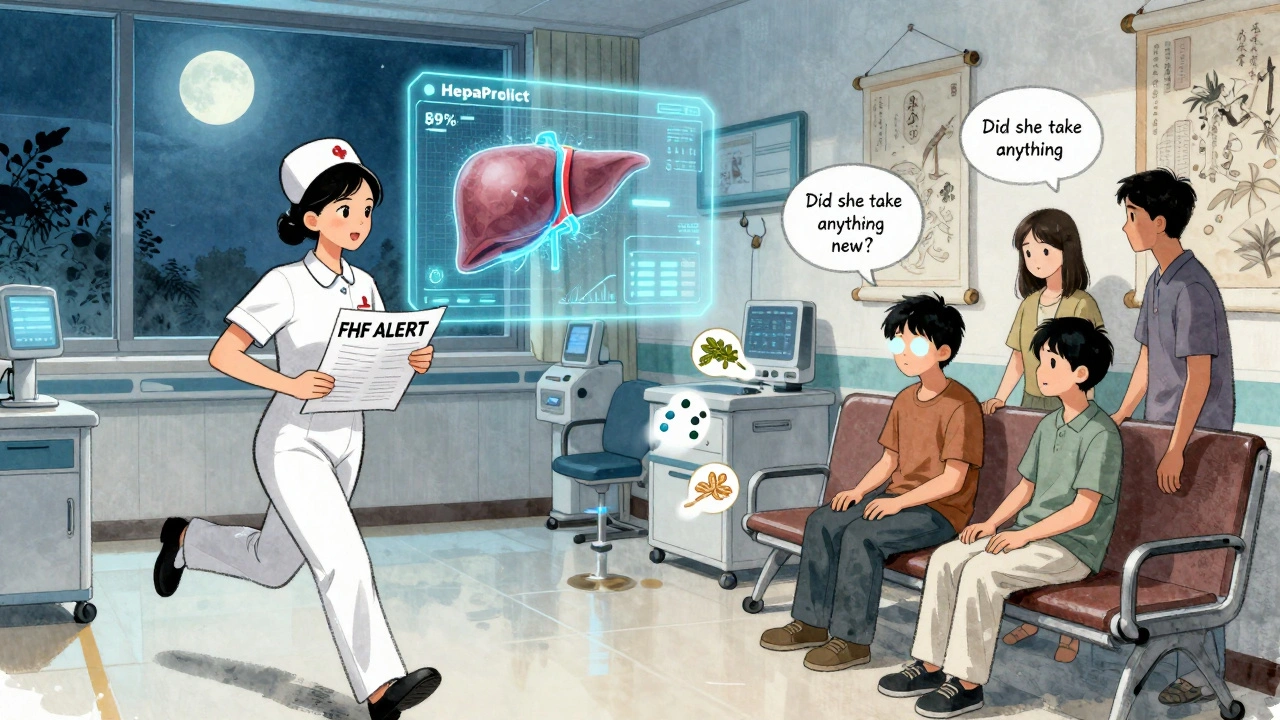
There’s progress. In 2023, the FDA cleared HepaPredict AI - a system that analyzes 17 clinical variables to predict liver failure progression with 89% accuracy within 24 hours. It’s not perfect. But it’s faster than human intuition.
Also, the Acute Liver Failure Study Group is rolling out a national FHF Alert System by mid-2024. ERs will be required to report suspected cases within one hour. Why? Because California’s version cut time-to-transplant by 38.7 hours. That’s life.
And research is moving fast. A new blood marker - microRNA-122 - can detect acetaminophen toxicity within 6 hours with 94% sensitivity. It’s not in clinics yet. But it’s coming.
The FDA now requires bold warnings on prescription acetaminophen products. But OTC products? Still no warning. That’s a gap. A dangerous one.
What You Can Do
If you’re a patient: know what’s in your medicine. Check labels. Don’t assume "natural" means safe. Stop taking supplements if you feel off. Tell your doctor everything - even the green tea pill.
If you’re a clinician: test for acetaminophen in every patient with unexplained nausea, jaundice, or confusion - no matter what they say. Check INR. Track mental status hourly. Don’t wait for the classic signs. By then, it’s too late.
If you’re a family member: watch for personality changes. A quiet parent. A confused grandparent. A child who won’t wake up. Don’t dismiss it as tiredness. Ask: "Did they take anything new?"
Fulminant hepatic failure doesn’t announce itself with sirens. It whispers. And if you don’t listen - you lose.
Can you survive fulminant hepatic failure without a transplant?
Yes - but only if it’s caused by acetaminophen and treated within 8 hours. With early N-acetylcysteine, about 67% of patients recover fully. For all other drug causes, survival without transplant is under 30%. If the INR is above 6.5 or the blood pH drops below 7.3, transplant is the only option.
How do you know if a medication caused liver failure?
Look for three things: timing (did symptoms start after starting the drug?), exclusion of other causes (no viruses, no alcohol), and a pattern matching known drug reactions. Hy’s Law - ALT/AST over 3x normal with bilirubin over 2x normal - is a red flag. But the real clue is the history. Always ask about OTC meds, supplements, and herbal products - even if the patient says "no."
Is acetaminophen safe if I take it as directed?
It’s safe for most people - if you don’t exceed 4 grams in 24 hours. But many people accidentally overdose by combining multiple products. A cold medicine with acetaminophen, plus a painkiller, plus a sleep aid - all add up. Always check labels. Never take more than one product with acetaminophen at a time.
What should I do if I suspect someone has medication-induced liver failure?
Call 911 or go to the ER immediately. Don’t wait. Tell them you suspect drug-induced liver failure. Ask for an acetaminophen level, INR, and ALT/AST. If they’re vomiting and confused, don’t let them be dismissed as "just sick." Time is the difference between life and death.
Are herbal supplements safer than prescription drugs?
No. In fact, herbal and dietary supplements are the fastest-growing cause of acute liver failure. Green tea extract, kava, and weight-loss teas have caused hundreds of cases. They’re not regulated like drugs. No one tests them for liver safety. And most patients don’t tell doctors they’re taking them. That’s why they’re so dangerous.
Can liver failure from medications be prevented?
Yes - by awareness. Know your meds. Don’t assume OTC is safe. Don’t take supplements without asking your doctor. If you’re on multiple drugs, ask your pharmacist to check for interactions. And if you feel unwell after starting something new - stop it and get checked. Prevention starts with asking: "Could this be hurting my liver?"

So let me get this straight - you’re telling me my daily green tea pill could be slowly killing my liver? That’s wild. I’ve been taking those since last year. Guess I’m gonna be that guy who Googles symptoms at 2 a.m. again.
Let’s be real - this isn’t about acetaminophen. It’s about the pharmaceutical-industrial complex pushing toxic drugs while silencing independent research. The FDA’s been compromised since 1998. They’re hiding the truth about microRNA-122 because it exposes their profit-driven approval system. Wake up. This is controlled. They want you dependent. The supplements are the escape hatch - but they’re making them illegal to keep you hooked on pills. #Truth
It’s not merely "acetaminophen toxicity" - it’s a catastrophic failure of pharmacovigilance in a society that conflates accessibility with safety. The 46% statistic is not a coincidence; it’s a predictable outcome of deregulated OTC markets and pathological consumer complacency. Moreover, the assertion that "natural" implies benign is not just incorrect - it’s a semiotic absurdity. Epigallocatechin-3-gallate is a potent pro-oxidant at supra-physiological doses; its hepatotoxicity is documented in at least 17 peer-reviewed case series since 2016. To dismiss this as "just a supplement" is to misunderstand the very definition of pharmacology.
Thank you for writing this. I’m a nurse and I see this way too often - people think "over-the-counter" means "no risk." I always ask about supplements. Always. Even when they roll their eyes. One lady thought her green tea extract was "just for weight loss" - turned out she was in liver failure. You’re not alone. We’re all learning. Keep sharing this.
While the clinical details are accurate, the framing risks inducing unnecessary panic. Acetaminophen remains one of the safest analgesics when used appropriately. The real issue is polypharmacy in aging populations and poor patient-provider communication. The solution isn’t fear - it’s education. Pharmacists should be routinely counseling on OTC combinations. Hospitals need better discharge summaries. This isn’t a crisis of drugs - it’s a crisis of systems.
OMG I JUST REALIZED I’VE BEEN TAKING TYLENOL AND ADVIL COLD & SINUS TOGETHER FOR MONTHS 😱 I’M GONNA DIE. MY MOM SAID IT WAS FINE. I’M SO STUPID. I’M SORRY EVERYONE I’M SO SORRY 😭
It’s not the drug. It’s the illusion of control. We think we’re smart because we read labels. But the real poison is believing we can outthink biology. The liver doesn’t care if you’re "careful." It just reacts. And when it fails? You’re not a victim. You’re a statistic in a system designed to make you feel safe until it’s too late.
Thank you for this - seriously. I’m a paramedic, and I’ve had two patients in the last year who were discharged from urgent care with "flu"... and were dead by morning. The INR was 8.2. The acetaminophen level? 540 mcg/mL. They didn’t even know they’d taken it. Please, if you’re reading this - ask your family: "Have you taken anything new?" Don’t wait for the yellow eyes. The confusion comes first. And if they say "I didn’t take anything" - ask again. And again. Because they might be lying. Or they might just be scared. Either way - you’re the only one who might catch it in time.