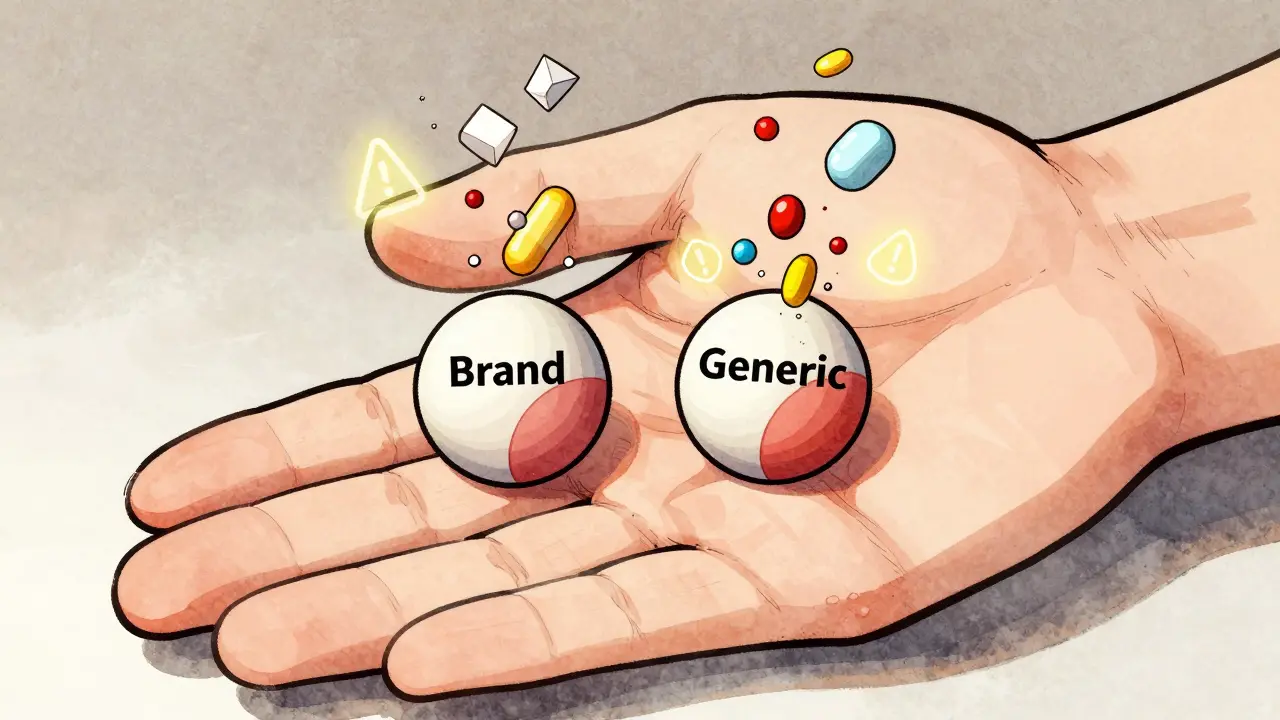
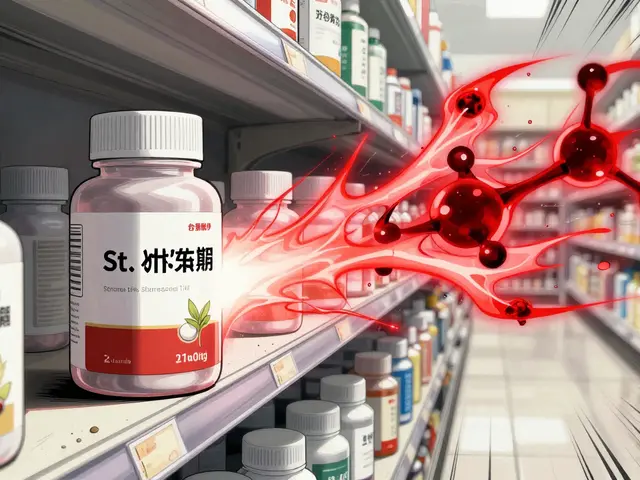
When you pick up a generic pill at the pharmacy, you assume it’s the same as the brand-name version. Same active ingredient. Same effect. But what you don’t see-what’s hidden in the tablet or capsule-can make all the difference in how your body reacts. Those white powders, dyes, fillers, and preservatives? They’re called excipients. And while they don’t treat your condition, they can trigger bloating, rashes, stomach pain, or worse-especially if you’re sensitive to them.
What exactly are excipients?
Excipients are the non-active parts of a medicine. Think of them as the packaging, the glue, the flavoring, and the filler that help the real drug-your active pharmaceutical ingredient (API)-get where it needs to go in your body. They keep pills from crumbling, make them easier to swallow, extend shelf life, and help the drug dissolve properly. Common ones include lactose (a milk sugar), magnesium stearate (a lubricant), croscarmellose sodium (a disintegrator), and artificial colors like Yellow #5 or Blue #2.Here’s the catch: the FDA says excipients are "inactive"-meaning they don’t have a therapeutic effect. But that doesn’t mean they’re harmless. In fact, a 2019 study analyzing over 42,000 oral medications found that 90.2% of them contain at least one excipient linked to allergic reactions or intolerances. That’s not a small risk. That’s almost every pill you take.
Why do generics have different excipients?
Generic drugs are required to have the same active ingredient as the brand-name version, and they must be bioequivalent-meaning they release the drug into your bloodstream at the same rate and to the same extent. But there’s no rule saying they must use the same fillers, colors, or coatings.Take Synthroid, for example. The brand version uses a specific mix of excipients. A generic version might swap out lactose for corn starch, or replace FD&C Red #40 with a different dye. It’s legal. It’s common. And it’s why some patients get sick after switching.
A 2021 survey of pharmacists found that 73.5% had patients report new symptoms after switching from brand to generic-or even between two different generics. These aren’t just coincidences. Patients report stomach cramps, diarrhea, hives, headaches, and even brain fog after a switch. Many don’t realize the cause is the excipients, not the drug itself.
The hidden triggers: most common problematic excipients
Not all excipients are equal when it comes to triggering reactions. Some are far more likely to cause trouble:- Lactose: Found in 40-60% of oral tablets. Even small amounts-1-2 grams-can trigger bloating, gas, and diarrhea in lactose-intolerant people. That’s less than a teaspoon of milk sugar. Many don’t realize they’re sensitive until they switch to a generic version with more lactose than they’re used to.
- Artificial colors: Yellow #5 (tartrazine) and Blue #2 (indigotine) are linked to hives, asthma, and hyperactivity in sensitive individuals. One Reddit user reported severe GI distress after switching to a generic thyroid med that contained Blue #2-a dye they’d never been exposed to before.
- Parabens: Used as preservatives in liquids and some tablets. Can cause skin rashes and allergic reactions in people with sensitivities.
- Polysorbate 80: Found in some liquid generics. Can trigger immune responses in rare cases.
- Gluten: Though rarely used, some excipients may contain trace gluten from wheat starch. For people with celiac disease, even tiny amounts can cause damage.
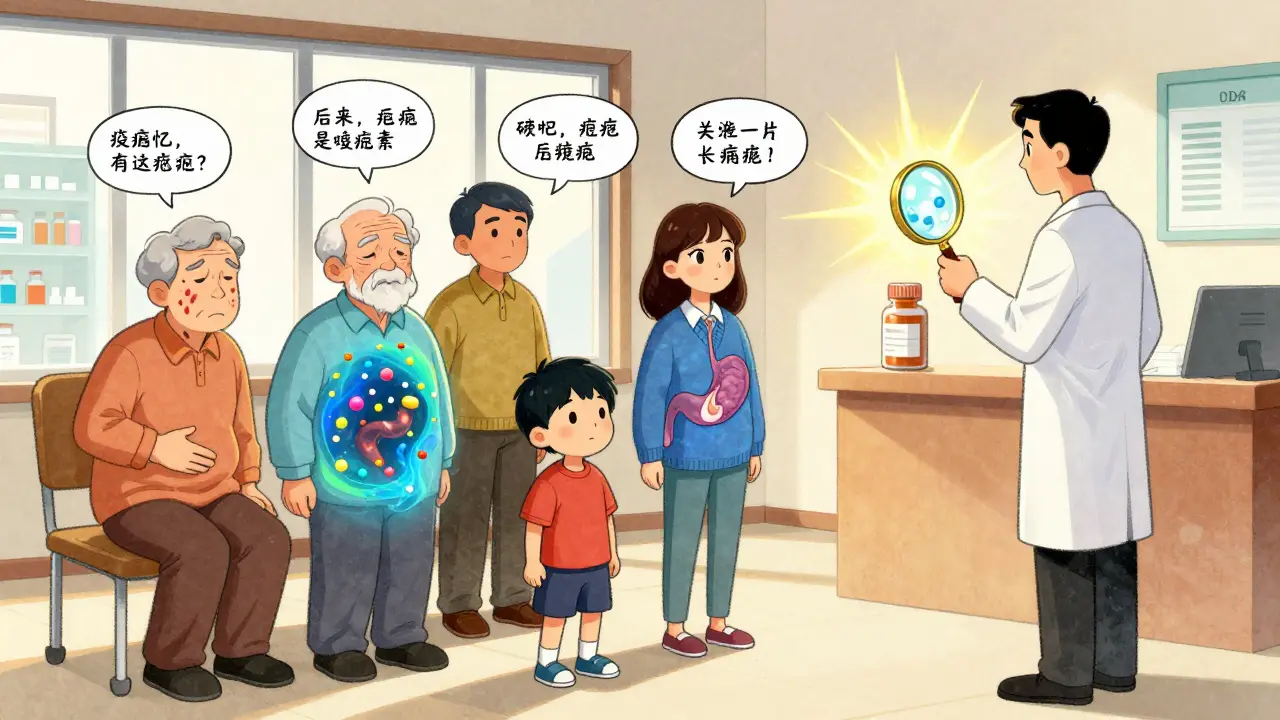
The FDA’s Inactive Ingredient Database lists approved excipients and their maximum allowable amounts per route of administration. But here’s the problem: those limits are based on average adults. They don’t account for children, the elderly, or people with autoimmune conditions, gut disorders, or multiple allergies. A dose that’s safe for most might be toxic for someone else.
Why your body might react differently to generics
It’s not just about what’s in the pill-it’s about how it behaves in your body. Different excipients can change how fast the drug dissolves. Some can slow absorption. Others can cause "dose dumping," where the drug releases all at once instead of gradually. That’s dangerous with medications like blood pressure pills or seizure drugs.One documented case involved a patient on a generic version of extended-release methylphenidate. After switching, they had panic attacks and heart palpitations. Turns out, the new generic used a different coating that broke down too quickly, flooding the bloodstream with the drug. The active ingredient was the same-but the excipients changed the whole experience.
And here’s the kicker: manufacturers aren’t required to disclose excipient changes to doctors or patients. If your pharmacist switches your generic without telling you, you might not know why you suddenly feel off.
Who’s most at risk?
Some people are far more vulnerable to excipient reactions:- Lactose-intolerant patients: Even small amounts can cause symptoms. Many don’t realize their pills contain dairy.
- People with celiac disease: Gluten contamination in excipients can trigger intestinal damage.
- Those with multiple allergies: More exposures = higher chance of reaction.
- Children and elderly: Their bodies process substances differently. Kids are more sensitive to dyes and preservatives.
- Patients on long-term meds: Chronic exposure to even low levels of problematic excipients can build up over time.
A 2022 survey by the National Community Pharmacists Association found that 68.3% of independent pharmacists had patients report adverse reactions linked to excipient changes. These aren’t rare cases. They’re happening every day.
What to do if you suspect an excipient reaction
If you notice new symptoms after switching medications-especially if they’re GI-related, skin-related, or neurological-don’t ignore them. Here’s what to do:- Track your symptoms. Write down when they started, how bad they are, and what medication you took. Did it happen right after a switch?
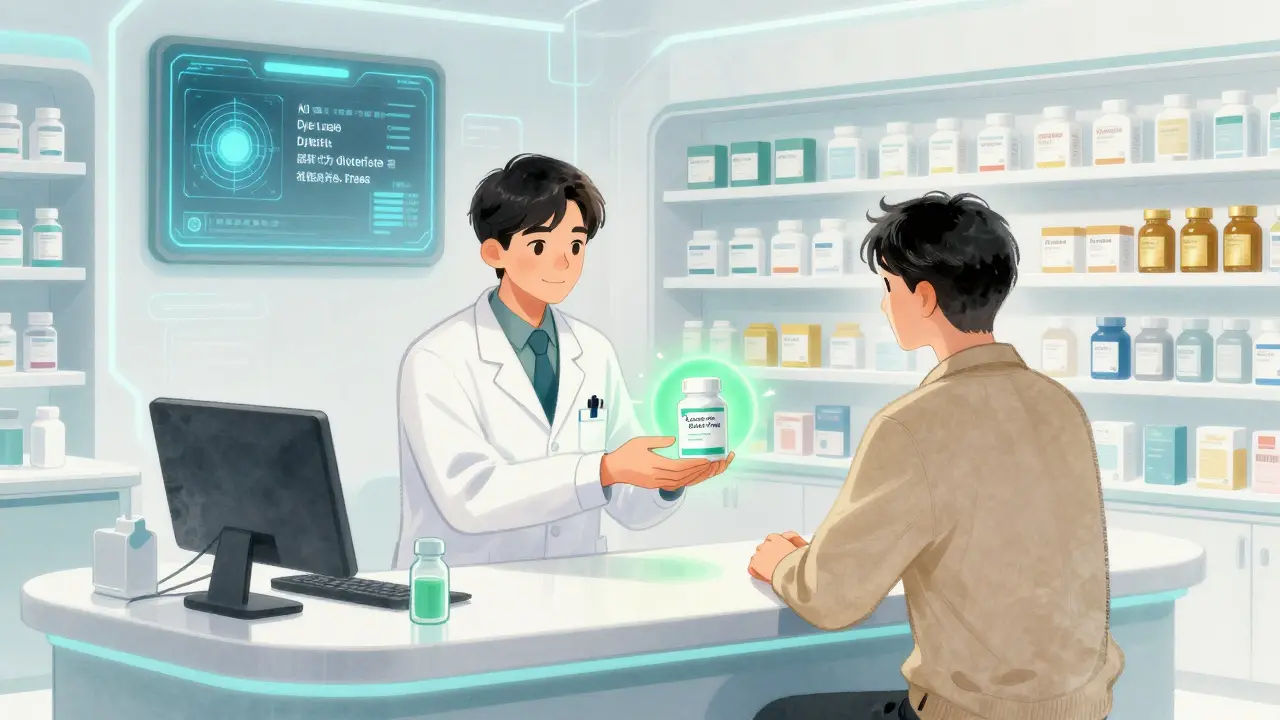
- Check the ingredients. Use the FDA’s Inactive Ingredient Database or Pillbox (from the National Library of Medicine) to look up your pill’s exact formulation. You’ll need the manufacturer’s name and the pill’s imprint code.
- Ask your pharmacist. Don’t assume they know. Ask: "What excipients are in this generic? Is it the same as my last one?"
- Request a different generic. If one version makes you sick, another from a different manufacturer might not.
- Ask about the brand. If you’re on a critical medication (like thyroid or epilepsy drugs), your doctor may be able to prescribe the brand version with a prior authorization.
- Document it. Tell your doctor exactly what you think caused the reaction. Put it in your medical record. This helps future providers avoid the same mistake.
Pharmacists spend an average of 7.2 minutes per patient just investigating these issues. That’s time they don’t get paid for. But it’s time that saves lives.
The future: personalized excipients
The pharmaceutical industry is starting to wake up. In 2023, the FDA launched the "Excipient Safety Modernization Initiative" to collect patient-reported data on reactions. Researchers at MIT developed an AI tool that predicts individual excipient tolerance based on genetic markers. By 2025, the FDA plans to require full excipient disclosure in electronic prescriptions.Already, specialty manufacturers are producing lactose-free, dye-free, gluten-free generics. The market for these products hit $18.7 billion in 2022 and is growing fast. More hospitals now have protocols for managing excipient reactions. But awareness is still low.
Right now, if you’re sensitive, you’re on your own. You have to be your own detective. You have to ask the right questions. And you have to speak up-even if your doctor says, "It’s just an inactive ingredient."
It’s not just inactive. It’s personal.
Can excipients in generics cause allergic reactions?
Yes. While excipients are labeled "inactive," many can trigger allergic or intolerance reactions. Common culprits include lactose, artificial dyes (like Yellow #5 and Blue #2), parabens, and gluten-containing starches. A 2019 study found that over 90% of oral medications contain at least one excipient linked to adverse reactions in sensitive individuals.
Why do I feel worse after switching to a generic drug?
Even though the active ingredient is the same, generics can use different fillers, binders, dyes, or preservatives. These excipients can affect how quickly the drug dissolves, trigger sensitivities, or cause gastrointestinal distress. For example, switching from a brand thyroid med to a generic with lactose could cause bloating and diarrhea in someone who’s lactose intolerant-even if they never had issues before.
How do I find out what excipients are in my medication?
Check the FDA’s Inactive Ingredient Database or use Pillbox, a free tool from the National Library of Medicine. You’ll need the drug name, manufacturer, and pill imprint code. You can also ask your pharmacist for the manufacturer’s product information sheet. Brand-name drugs usually list all ingredients on the box, but generics often require a direct request.
Are all generic drugs the same in terms of excipients?
No. Different manufacturers use different excipient formulations-even for the same generic drug. Two pills with the same active ingredient and dosage can have completely different fillers, coatings, or colors. That’s why switching between generic brands can cause new side effects.
Should I avoid generics because of excipients?
Not necessarily. Most people tolerate generics without issue. But if you have known allergies, intolerances, or chronic conditions like celiac disease or IBS, you should be cautious. Ask your doctor or pharmacist to check the excipient profile before switching. If you’ve had a bad reaction before, stick with the same manufacturer or ask for the brand version.
Can I request a lactose-free or dye-free generic?
Yes. Many manufacturers now produce lactose-free, gluten-free, and dye-free versions of common medications. Your pharmacist can order them, or your doctor can specify "do not substitute" or "brand necessary" on the prescription. The market for these specialty generics is growing rapidly, with over $18 billion spent globally in 2022.
Next steps if you're concerned
If you’ve had unexplained side effects after switching medications, don’t brush them off. Keep a symptom journal. Write down the drug name, manufacturer, date switched, and what you felt. Take it to your doctor. Ask for the excipient list. Consider switching to a different generic or requesting the brand. You have the right to know what’s in your medicine-and to choose what works for your body.The system isn’t perfect. But awareness is growing. And you’re not alone. Thousands of people have been there. The key is to speak up, check the facts, and demand better transparency-because your health shouldn’t depend on which company made your pill.




whoa i had no idea my stomach issues after switching to generic levothyroxine were from the dye. i thought i was just stressed. this makes so much sense now.
Excipients aren't inert. They're biological variables.
this is why i always ask my pharmacist to check the manufacturer... i had a rash after switching and no one believed me until i found the Blue #2 in the new batch 😔
I'm so glad someone finally wrote about this... I've been telling my friends for years that 'inactive' doesn't mean 'harmless'. Especially for kids and seniors. We need better labeling, and more awareness. Thank you for sharing this!
In India, we don't even know what's in our pills. The generics are sold without any detailed leaflets. I once got severe bloating after switching to a cheap brand. Took me months to realize it was lactose. We need education, not just regulation.
The FDA's 'inactive' designation is a legal loophole disguised as science. This isn't about patient care-it's about corporate cost-cutting. Manufacturers don't care if you get hives, as long as the API meets bioequivalence. The system is broken, and you're being used as a test subject.
ok but what if the government is secretly using excipients to control our moods? like Yellow #5 is in everything now... and i swear i get anxious after taking any generic ibuprofen. are they dosing us?? 🤔
Thank you for this detailed and vital post. I work in a clinic and see patients every week who are dismissed when they report these reactions. We now have a printed handout we give to patients about checking excipients. It’s changed how we approach medication safety. You’ve helped more people than you know.