What Are Antihistamines and Why Do People Use Them?
Antihistamines are medicines that stop your body’s allergic reactions by blocking histamine, a chemical your immune system releases when it thinks you’re under attack-like from pollen, pet dander, or dust. When histamine floods your system, you get symptoms: runny nose, sneezing, itchy eyes, hives, or swelling. Antihistamines don’t cure allergies, but they silence the symptoms fast. They’ve been around since the 1930s, when scientists first figured out how to block histamine’s effects. Today, they’re one of the most common over-the-counter (OTC) drugs in the U.S., with over $3 billion sold every year-87% of that is OTC.
First-Generation vs. Second- and Third-Generation Antihistamines
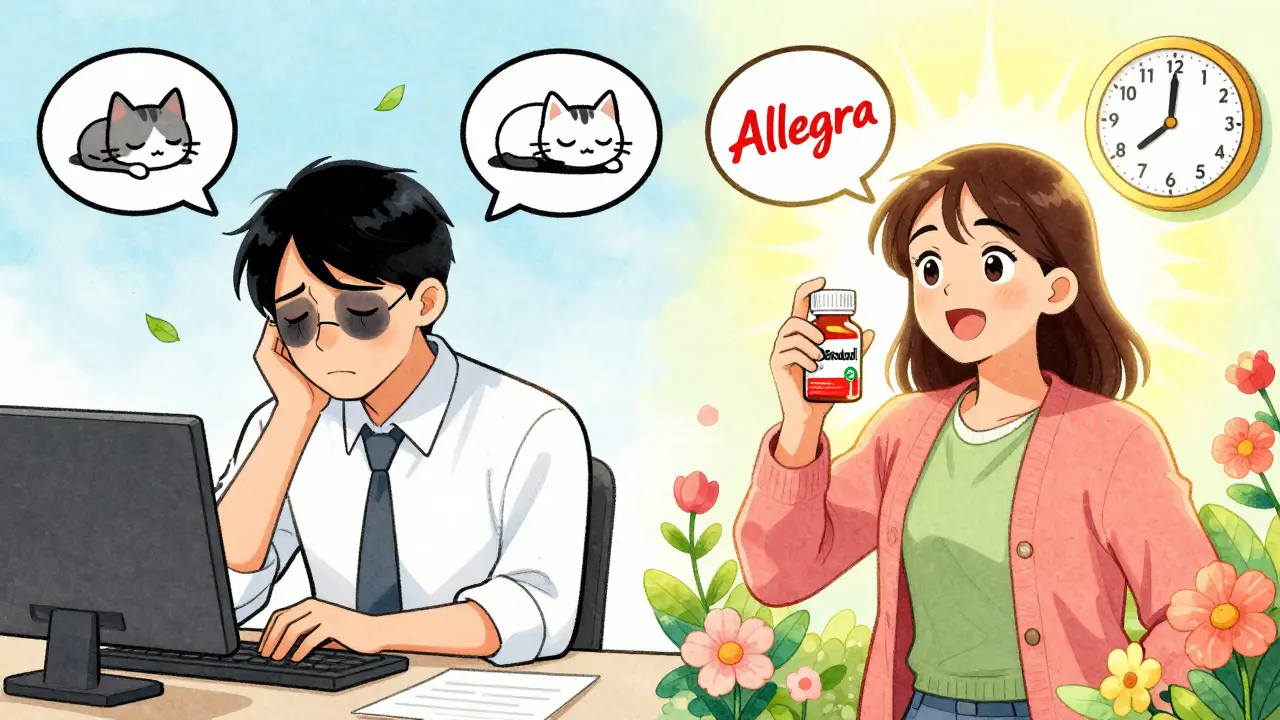
Not all antihistamines are the same. They’re split into two big groups: the old-school ones that make you sleepy, and the newer ones that let you stay alert.
First-generation antihistamines include diphenhydramine (Benadryl), chlorpheniramine (Chlor-Trimeton), and doxylamine (Unisom). These were the first to be made, back in the 1940s. They’re good at blocking histamine quickly-sometimes in as little as 15 minutes. But they also cross into your brain easily. That’s why about half of people who take them feel drowsy. In fact, studies show they can slow your reaction time as much as having a blood alcohol level of 0.10%. That’s legally drunk in most places. They’re often used at night for sleep, or for sudden allergic reactions like bug bites or hives.
Second- and third-generation antihistamines-like cetirizine (Zyrtec), loratadine (Claritin), and fexofenadine (Allegra)-were designed to avoid the brain. They don’t cross the blood-brain barrier well, so they don’t cause the same level of drowsiness. Most of these are now available without a prescription. They last 24 hours, so you only need to take one pill a day. They’re the go-to choice for daily allergy management, especially if you drive, work with machines, or need to stay sharp.
Which OTC Antihistamine Is Right for You?
Choosing the best one isn’t about which is ‘strongest.’ It’s about what fits your life.
- Fexofenadine (Allegra): Lowest risk of drowsiness. Only 6% of users report feeling sleepy. It’s the only OTC antihistamine officially labeled for hives, but all of them work for hives. Great for truck drivers, surgeons, or anyone who can’t afford to feel foggy.
- Loratadine (Claritin): Very low drowsiness, 18% of users report mild sleepiness. Long-standing reputation for reliability. Holds 32% of the OTC market. Works in about an hour and lasts all day.
- Cetirizine (Zyrtec): Works fast-within an hour. But it’s the most likely of the non-sedating group to cause drowsiness. About 14% of users feel tired. Some say it’s more effective for severe itching, but it’s not for everyone.
- Levocetirizine (Xyzal): The active ingredient in Zyrtec, but in a purer form. It’s slightly less sedating than Zyrtec, but still more likely to cause drowsiness than Allegra or Claritin. It’s not recommended for adults over 65 without talking to a doctor because older people are more sensitive to its effects.
Real users on Reddit and Amazon say it clearly: people who take Allegra often say, ‘Zero drowsiness, even at double doses.’ Those on Zyrtec say, ‘It works great, but I crash by 3 p.m.’ Claritin gets 4.4 out of 5 stars with 82% of 5-star reviews saying ‘works without making me tired.’ Benadryl? Only 3.9 out of 5, and 63% of negative reviews say it ‘knocked me out completely.’

Side Effects You Should Know
Even the ‘non-sedating’ ones aren’t side-effect-free.
Common side effects across all types include dry mouth, headache, and upset stomach. These are usually mild and go away after a few days.
But here’s what people don’t always tell you:
- Drowsiness: Even with Zyrtec or Xyzal, you might feel tired, especially if you’re over 65, taking other meds, or have liver problems.
- Drug interactions: Grapefruit juice can raise blood levels of some antihistamines by up to 37%. Avoid it if you’re on fexofenadine or cetirizine. Also, mixing antihistamines with alcohol, sleep aids, or anxiety meds can make drowsiness worse.
- Heart risks: High doses of cetirizine have been linked to rare heart rhythm changes in people with existing heart conditions. This is why the European Medicines Agency added stronger warnings in 2021.
- Long-term use: No major safety issues have shown up in 20+ years of post-marketing data. But some studies suggest a possible link between long-term use of first-generation antihistamines and higher dementia risk in people over 75. That link doesn’t appear with second- or third-generation drugs.
How to Use Antihistamines Safely
Using them right matters more than which one you pick.
- Start early: Don’t wait until you’re sneezing nonstop. Begin taking your OTC antihistamine 1-2 weeks before allergy season hits. It builds up in your system and stops symptoms before they start.
- Don’t double up: Never take two antihistamines at once. Many cold and flu meds already contain them. Check the labels. You could accidentally overdose.
- Watch your age: The American Academy of Pediatrics says never give first-generation antihistamines to kids under 6. For kids 6-11, use child-specific dosing. For adults over 65, avoid Xyzal unless cleared by a doctor.
- Use at night if needed: If you’re using Benadryl for allergies, take it before bed. It’ll help you sleep and reduce daytime impairment.
- Don’t drive or operate machinery: If you feel even a little drowsy, stop. That’s not just a warning-it’s a safety rule. The FDA now requires all OTC antihistamine labels to say: ‘Do not operate heavy machinery if drowsiness occurs.’
When to See a Doctor
OTC antihistamines work great for mild to moderate allergies. But if you’re still struggling after a few weeks, it’s time to talk to a professional.
See a doctor if:
- Your symptoms don’t improve after 7-10 days of regular use
- You have trouble breathing, swelling in your throat, or chest tightness (this could be anaphylaxis-call emergency services)
- You need to take antihistamines daily for more than 3 months
- You’re over 65 and experiencing drowsiness, confusion, or memory issues
- You’re pregnant or breastfeeding and need to take them regularly
Doctors often recommend allergy testing to find your exact triggers. For severe cases, they might suggest nasal sprays, immunotherapy (allergy shots), or even biologic drugs-new treatments that target specific parts of the immune system.

What’s New in Antihistamines?
The field is evolving. In April 2023, the FDA approved a new version of Allegra-D with extended-release pseudoephedrine, giving 12-hour decongestant relief alongside 24-hour allergy control. That’s helpful if you have both congestion and sneezing.
Sanofi is launching a nasal spray version of rupatadine (Rupafin) in 2024. Nasal sprays work faster and target symptoms right where they start-no swallowing pills needed.
Market trends show non-sedating antihistamines are growing at 5.2% a year. Why? More people have allergies now-50 million Americans, according to the CDC-and more people are choosing to stay alert. No one wants to feel drugged just to breathe normally.
Final Thoughts: Choose Wisely, Use Smart
There’s no single ‘best’ antihistamine. It’s personal. If you need to be sharp all day, go with fexofenadine. If you want fast relief and don’t mind a little sleepiness, cetirizine might work. If you want reliable, low-risk, everyday use, loratadine is a solid pick.
Most people find their match after trying one or two. Don’t give up. Allergists say about 30% of patients need to test two or three options before finding the right one. Use free tools like the American Academy of Allergy, Asthma & Immunology’s ‘Allergy Relief Finder’ app to compare options based on your symptoms, job, and lifestyle.
And remember: antihistamines are tools, not cures. They’re safe for long-term use-when used correctly. The goal isn’t to numb your symptoms forever. It’s to live normally, without being held back by sneezing, itching, or fatigue.
Can I take antihistamines every day?
Yes, second- and third-generation antihistamines like loratadine, cetirizine, and fexofenadine are safe for daily use. They’re designed for long-term allergy management. Studies show no major safety issues after years of use. But if you’re taking them for more than 3 months without improvement, see a doctor. You might need a different approach.
Which antihistamine causes the least drowsiness?
Fexofenadine (Allegra) causes the least drowsiness. Clinical studies show only 6% of users report feeling sleepy, compared to 14% for cetirizine and 18% for first-generation options. It’s the only OTC antihistamine with minimal brain penetration, making it ideal for people who need to stay alert.
Is Benadryl safe for daily allergy use?
No. Benadryl (diphenhydramine) is a first-generation antihistamine that causes significant drowsiness and impairs cognitive function. It’s not meant for daily use. It’s best for occasional, short-term relief-like a bug bite or sudden reaction. Using it every day increases your risk of next-day grogginess, poor concentration, and even long-term brain effects in older adults.
Can I take antihistamines with other cold medicines?
Be very careful. Many cold, flu, and sinus medicines already contain antihistamines like diphenhydramine or chlorpheniramine. Taking them with another antihistamine can lead to overdose. Always read the ‘Active Ingredients’ list on the label. If you see any antihistamine listed, don’t take another one unless your doctor says it’s okay.
Why does grapefruit juice interact with antihistamines?
Grapefruit juice blocks an enzyme in your liver (CYP3A4) that helps break down certain drugs, including fexofenadine and cetirizine. This causes more of the drug to stay in your bloodstream, increasing the risk of side effects like dizziness, dry mouth, or heart rhythm changes. Avoid grapefruit juice entirely if you’re taking these antihistamines.
Are antihistamines safe for children?
Second-generation antihistamines like loratadine and cetirizine are approved for children as young as 2, but only in child-appropriate doses. First-generation antihistamines like Benadryl are not recommended for children under 6 due to risks of severe drowsiness, seizures, and breathing problems. Always check the label or ask a pharmacist for the right dose based on weight and age.
Do antihistamines help with congestion?
Not really. Antihistamines are great for sneezing, itching, and runny nose-but they don’t work well for nasal congestion. That’s caused by swollen blood vessels, not histamine. For congestion, you need a decongestant like pseudoephedrine or a nasal steroid spray. Some products combine both, like Allegra-D, but those aren’t meant for everyone. Talk to your doctor if congestion is your main problem.
Can I use antihistamines if I have high blood pressure?
Most second-generation antihistamines like loratadine, cetirizine, and fexofenadine are safe for people with high blood pressure. But avoid combination products with decongestants (like pseudoephedrine), as those can raise blood pressure. Always check the label. If you’re unsure, ask your pharmacist or doctor.
Next Steps: What to Do Today
Don’t wait for allergy season to hit hard. If you’ve been dealing with sneezing or itchy eyes, pick one non-sedating antihistamine-start with Claritin or Allegra-and take it daily for two weeks before pollen season begins. Track your symptoms. If it doesn’t help, try another. Use the free ‘Allergy Relief Finder’ app to compare options. And if you’re over 65, pregnant, or on other meds, talk to your pharmacist before you start. You don’t need to suffer. There’s a safe, effective option out there.







I've been taking Allegra for years as a truck driver and it's the only one that lets me stay awake without feeling like a zombie. Benadryl? No thanks. I've seen coworkers crash their rigs after taking it. This isn't just about comfort-it's safety.
The pharmacokinetic profiles of second-generation antihistamines are fundamentally distinct from first-gen due to their reduced P-glycoprotein affinity and minimal blood-brain barrier permeability. Fexofenadine's lack of CYP3A4 metabolism further reduces drug interaction risks, making it the gold standard for chronic use in polypharmacy patients.
It's funny how we treat histamine like the enemy. We've spent decades trying to suppress it, but what if the real issue is our over-sanitized environments? Our immune systems are like overtrained athletes-no real stress, so they start attacking pollen like it's a threat. Maybe we need to stop medicating and start living.
All this ‘science’ is just Big Pharma marketing. The real reason you’re allergic is because your gut is full of glyphosate from your GMO corn syrup. Antihistamines are just a bandaid. Try probiotics. Or better yet-stop eating processed crap. 🤷♂️
I just take whatever’s on sale. Benadryl works fine for me. Yeah I get sleepy but I just nap after work. Who cares if I’m a little zonked? Life’s short.
This is actually one of the clearest breakdowns of antihistamines I’ve seen. I’ve been recommending Allegra to my patients for years, especially the ones who drive or work in healthcare. But I always tell them: don’t just pick one and stick with it. Try two or three. Everyone’s body reacts differently. It’s trial and error, not magic.
I’ve been on loratadine for 8 years and never had a single side effect. But I also don’t eat grapefruit, avoid alcohol when taking it, and take it at the same time every day. Consistency matters more than the brand.
America makes the best meds. Europe’s overreacting with their ‘heart rhythm warnings.’ We know what we’re doing here. If you can’t handle a little drowsiness, maybe you shouldn’t be driving anyway. #MakeAllergiesGreatAgain
The ontological implications of pharmacologically suppressing histaminergic signaling in a post-industrial, hyper-sanitized society cannot be understated. We are not merely treating symptoms-we are altering the phenomenological experience of immune perception. This is not medicine. It is epistemological evasion.
You know what they’re not telling you? The FDA approved Zyrtec because they got paid off by Sanofi. The drowsiness? That’s the body fighting back. And the ‘no dementia link’ studies? All funded by Big Pharma. I stopped taking them cold turkey and my allergies got worse… but my brain feels clearer. Coincidence? I think not.
I used to hate taking meds every day. Then I started with Claritin and my life changed. I could play with my kids without sneezing. I could sleep through the night. Don’t give up. Try one. If it doesn’t work, try another. You deserve to feel good.
I just want to add-don’t forget about nasal sprays. Flonase and Nasacort are non-drowsy and work wonders for congestion. Antihistamines are great for runny nose and itching, but if your nose is stuffed, you need a steroid spray. I use both together now and it’s a game-changer.
I’ve been on Zyrtec for years and I totally get the 3 p.m. crash. I used to think I was just lazy, but it’s the med. I switched to Allegra and now I’m actually productive in the afternoon. Also, I didn’t know grapefruit juice was a thing-my mom drinks it every morning. I told her to stop and now I don’t feel like I’m floating anymore. Small changes, big difference.
I took Benadryl once for a bug bite and slept for 12 hours. Woke up confused. Never again. Now I just use Claritin and go about my day. No drama. No crash. Just quiet relief.
To the person who said ‘Big Pharma’-your comment ignores the fact that second-gen antihistamines were developed specifically to mitigate the CNS side effects of first-gen agents. The pharmacological innovation here is real. The clinical trial data is peer-reviewed. The FDA approvals are based on pharmacokinetic and pharmacodynamic endpoints-not lobbying.