
It is 3 a.m. Your baby is crying because of colic, your head is pounding from lack of sleep, and suddenly you realize your allergies are acting up again. You reach for the medicine cabinet, grab a bottle of diphenhydramine or ibuprofen, and then freeze. Is it safe? Will it hurt the baby? This moment of panic is familiar to countless nursing mothers. The fear that everyday medications might harm your infant can lead some moms to suffer in silence, skipping necessary treatment for pain or allergies.
The good news is that you do not have to choose between your health and breastfeeding. Most common over-the-counter antihistamines and pain relievers are considered safe during lactation. However, not all drugs are created equal. Some pass into breast milk in significant amounts, while others stay largely in your bloodstream. Understanding which medications are truly safe-and which ones to avoid-can help you manage symptoms without worrying about your baby’s well-being.
Understanding Medication Safety During Breastfeeding
To navigate this topic, we need to look at how medications move from your body into your milk. When you take a pill, it enters your bloodstream. From there, small amounts can transfer into breast milk. The amount that transfers depends on several factors, including the drug’s molecular weight, protein binding, and half-life (how long it stays in your system).
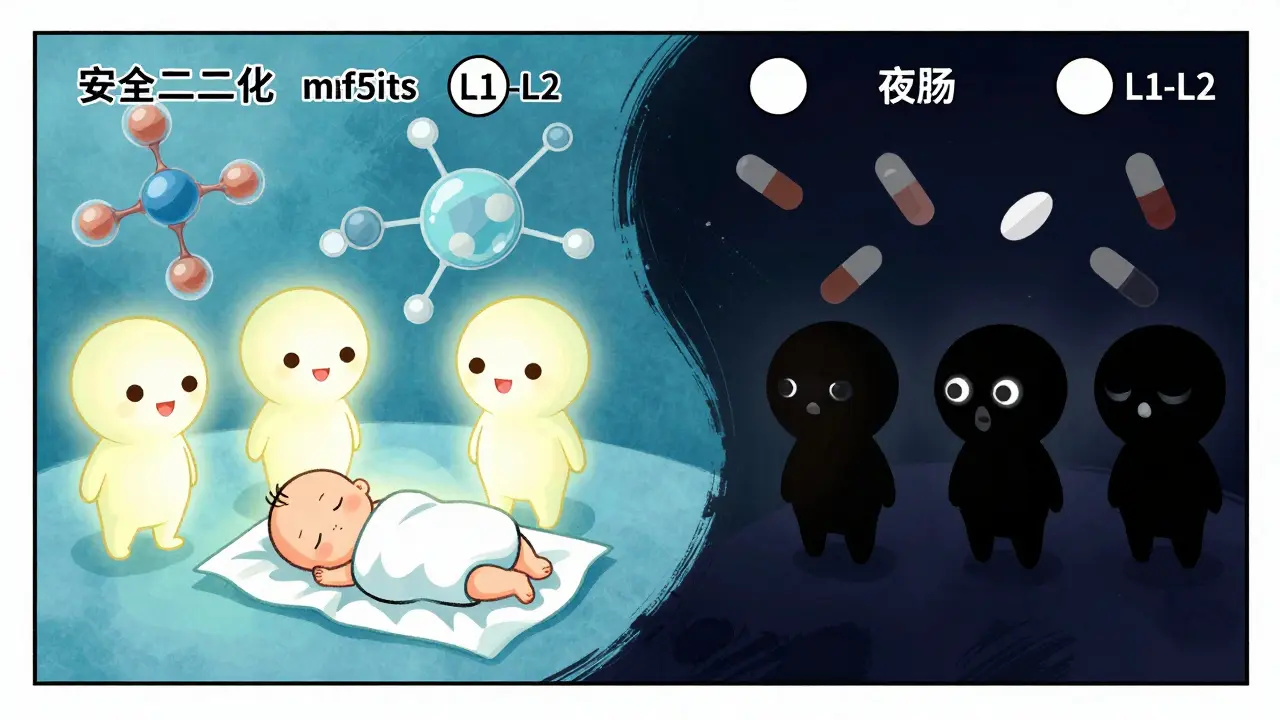
Dr. Thomas Hale, a leading expert in pharmacology and lactation, developed the Lactation Risk Categories (L1-L5) system in 1986. This framework helps healthcare providers assess risk. L1 represents the safest category (controlled studies show no risk), while L5 indicates proven hazard. Most recommended antihistamines and pain relievers fall into the L1 or L2 categories, meaning they are compatible with breastfeeding.
Another critical resource is LactMed, a database maintained by the U.S. National Library of Medicine. It provides detailed data on drug levels in human milk and reported effects on infants. By relying on these evidence-based tools rather than outdated myths, you can make informed decisions about your care.
Safe Antihistamines for Allergy Relief
Allergies can be miserable, especially when combined with the demands of caring for a newborn. The key is choosing the right type of antihistamine. There are two main generations of these drugs, and they behave very differently in your body.
Second-generation antihistamines are the preferred choice for nursing mothers. These include loratadine (Claritin), cetirizine (Zyrtec), and fexofenadine (Allegra). They are less likely to cross the blood-brain barrier, meaning they cause fewer side effects like drowsiness. More importantly, they transfer into breast milk in very small amounts.
- Loratadine: Transfers to breast milk at approximately 0.04% of the maternal dose. Studies show no adverse effects in infants.
- Cetirizine: Also considered safe, though slightly more sedating than loratadine for some users. Still, infant exposure remains minimal.
- Fexofenadine: Has one of the lowest transfer rates, at only 0.02% of the maternal dose. It is often cited as having the best safety profile among non-sedating options.
In contrast, First-generation antihistamines such as diphenhydramine (Benadryl) and chlorpheniramine should generally be avoided if possible. These older drugs are highly lipid-soluble and have anticholinergic properties. They can cause significant drowsiness in both mother and baby. In rare cases, prolonged use has been linked to poor feeding and failure to thrive in infants due to excessive sedation. If you must use them for acute allergic reactions, limit use to the shortest duration possible and monitor your baby for unusual sleepiness.
Pain Relievers: What You Can Take
Headaches, muscle aches, and dental pain are common complaints for new parents. Fortunately, the most widely used pain relievers are also among the safest for breastfeeding.
| Medication | Milk Transfer Rate | Safety Profile | Recommendation |
|---|---|---|---|
| Acetaminophen (Tylenol) | 1-2% of maternal dose | No reported adverse effects in infants | Preferred option for mild to moderate pain |
| Ibuprofen (Advil, Motrin) | 0.6-0.8% of maternal dose | High protein binding limits transfer; short half-life | Preferred option for inflammation and pain |
| Naproxen (Aleve) | ~7% of maternal dose | Long half-life (12-17 hours); higher accumulation risk | Avoid long-term use; caution advised |
| Codeine/Oxycodone | Variable; high risk in ultra-rapid metabolizers | Risk of respiratory depression in infants | Use with extreme caution; only under strict medical supervision |
Acetaminophen and ibuprofen are the gold standards for pain management while nursing. Acetaminophen has a long history of safe use, with milk concentrations remaining low and no documented negative effects on babies. Ibuprofen is similarly safe, thanks to its high protein binding (90%) and short half-life (about 2 hours), which means it clears your system quickly before much can pass into milk.
Naproxen, however, tells a different story. With a half-life of 12 to 17 hours, it stays in your body longer. This leads to higher cumulative exposure for the infant. The American Academy of Family Physicians (AAFP) specifically warns against long-term use of naproxen due to reports of bleeding, anemia, and vomiting in breastfed infants. Stick to ibuprofen for anti-inflammatory needs.
When it comes to stronger opioids like codeine, tramadol, or oxycodone, proceed with extreme caution. Genetic variations can cause some mothers to metabolize these drugs into morphine much faster than average, potentially leading to dangerous levels in breast milk. Always consult your doctor before using any opioid painkiller while breastfeeding.
Practical Tips for Taking Medication While Nursing
Even safe medications require smart timing and monitoring. Here are practical steps to minimize your baby’s exposure:
- Time it right: Take your medication immediately after breastfeeding. This allows the highest concentration of the drug in your blood to occur just before your next feed, giving your body time to clear some of the drug before the next session.
- Use the lowest effective dose: Do not exceed the recommended dosage. More medicine does not mean better relief; it just means more potential transfer to milk.
- Watch for side effects: Monitor your baby for changes in behavior, such as increased drowsiness, irritability, poor feeding, or changes in stool patterns. If you notice anything unusual, stop the medication and contact your pediatrician.
- Check combination products: Many cold and flu remedies contain multiple active ingredients, including antihistamines and decongestants. Read labels carefully to avoid accidental double-dosing or exposing your baby to unnecessary chemicals.
- Consult reliable sources: Use resources like LactMed or talk to a pharmacist who specializes in lactation. Avoid relying on internet forums or outdated advice that may claim all antihistamines are contraindicated.

Common Myths vs. Facts
Misinformation about medication safety during breastfeeding is widespread. Let’s clear up some common misconceptions:
- Myth: "You must pump and dump after taking medication."
Fact: For most common drugs like acetaminophen, ibuprofen, and second-generation antihistamines, pumping and dumping is unnecessary. The amounts transferred are too small to cause harm. Pumping and dumping only reduces your milk supply without protecting the baby. - Myth: "All antihistamines dry up milk supply."
Fact: While pseudoephedrine (a decongestant, not an antihistamine) can reduce milk supply, standard antihistamines like loratadine and cetirizine do not typically affect production. However, individual responses vary, so monitor your output. - Myth: "Natural supplements are always safer."
Fact: Just because something is natural doesn’t mean it’s safe for your baby. Many herbal supplements lack rigorous safety testing during lactation. Always check with your provider before adding herbs to your routine.
When to Call the Doctor
While self-care with OTC meds is often fine, certain situations require professional guidance. Contact your healthcare provider if:
- You are considering prescription-strength painkillers or antibiotics.
- Your baby is premature, has jaundice, or has other health conditions that might make them more sensitive to medications.
- You notice persistent side effects in your baby, such as lethargy, rash, or digestive issues.
- You need to take medication regularly for a chronic condition.
Remember, your health matters. Untreated pain or severe allergies can impact your ability to care for your baby and enjoy this special time. By choosing the right medications and using them wisely, you can stay comfortable and confident in your breastfeeding journey.
Is Benadryl safe to take while breastfeeding?
Diphenhydramine (Benadryl) is generally considered safe for occasional, short-term use while breastfeeding. However, it is a first-generation antihistamine that can cause significant drowsiness in both mother and infant. Because it crosses the blood-brain barrier easily, it may lead to poor feeding or excessive sleepiness in the baby. For regular allergy relief, second-generation antihistamines like loratadine or fexofenadine are preferred due to their lower sedative effects and minimal transfer into breast milk.
Can I take Tylenol (acetaminophen) while nursing?
Yes, acetaminophen (Tylenol) is one of the safest pain relievers for breastfeeding mothers. It transfers into breast milk in very small amounts (1-2% of the maternal dose) and has no known adverse effects on infants when used at standard doses. It is the preferred choice for headaches, minor aches, and fever reduction during lactation.
Does Advil (ibuprofen) reduce milk supply?
No, ibuprofen does not reduce milk supply. Unlike decongestants such as pseudoephedrine, NSAIDs like ibuprofen do not interfere with prolactin levels or milk production. Ibuprofen is actually a preferred pain reliever for breastfeeding mothers because it has high protein binding and a short half-life, resulting in minimal transfer to breast milk (0.6-0.8%).
What is the safest antihistamine for breastfeeding?
Fexofenadine (Allegra) and loratadine (Claritin) are widely regarded as the safest antihistamines for breastfeeding. Both are second-generation, non-sedating drugs with extremely low transfer rates into breast milk (0.02% and 0.04%, respectively). Clinical studies have shown no adverse effects in nursing infants when these medications are used at standard therapeutic doses.
Should I pump and dump after taking medication?
For most common over-the-counter medications like acetaminophen, ibuprofen, and second-generation antihistamines, pumping and dumping is unnecessary. The amounts of these drugs that pass into breast milk are too small to harm the baby. Pumping and dumping can actually decrease your milk supply by removing milk that isn't being consumed. Only pump and dump if specifically instructed by your doctor for certain prescription medications.
Is Naproxen (Aleve) safe while breastfeeding?
Naproxen is not recommended for long-term use while breastfeeding. It has a long half-life (12-17 hours) and transfers into breast milk at higher rates (around 7%) compared to ibuprofen. This can lead to accumulation in the infant's system, potentially causing side effects like bleeding, anemia, or vomiting. Ibuprofen is a safer alternative for anti-inflammatory pain relief.
How do I know if a medication is safe for my baby?
You can check the safety of a medication by consulting resources like LactMed (from the U.S. National Library of Medicine) or the Hale Lactation Risk Categories. Look for drugs classified as L1 (safest) or L2 (safe). Always discuss new medications with your healthcare provider or a pharmacist specializing in lactation, especially if you are taking multiple drugs or have specific health concerns.