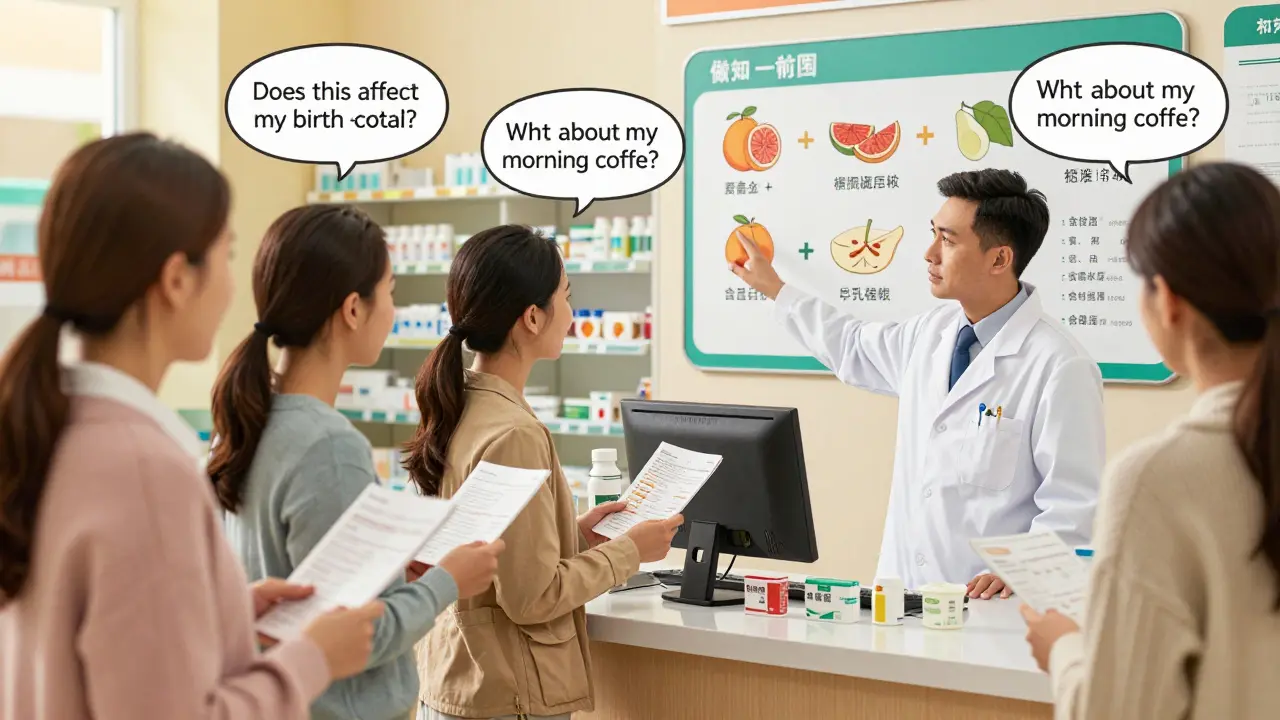
Every year, over a million people in the U.S. get hurt because of medication errors-and nearly 7% of those are due to medication interactions. You might think your doctor covered everything when they wrote your prescription. But here’s the truth: pharmacists are the real experts when it comes to how your pills, supplements, food, and even drinks affect each other. And unless you ask, they might not tell you.
Why Pharmacists Are Your Best Resource for Interaction Safety
Pharmacists don’t just hand out pills. They’ve spent years studying how drugs behave in the body, how they interact with other substances, and what hidden risks might be hiding in your medicine cabinet. A Doctor of Pharmacy (Pharm.D.) has more training in medication safety than most doctors do. Yet, only about 38% of patients get a full conversation about interactions when they pick up a new prescription. That’s not because pharmacists don’t know-it’s because most people never ask.What Exactly Is a Medication Interaction?
An interaction happens when two or more things you take affect each other. This isn’t just about two pills clashing. It could be:- A prescription drug making your OTC painkiller less effective
- Grapefruit juice turning your cholesterol pill into a dangerous overdose
- Cranberry juice making your blood thinner too strong
- Calcium supplements blocking your thyroid medication from being absorbed
- Alcohol causing nausea, dizziness, or even liver damage when mixed with antibiotics
5 Essential Questions to Ask Your Pharmacist
Don’t leave your safety to chance. Bring these questions with you every time you pick up a new prescription-or even refill an old one.- Does this medication interact with any other medicines, supplements, or vitamins I’m taking?
Be specific. Don’t just say “I take some pills.” List everything: your blood pressure med, your fish oil, your melatonin, your turmeric capsules. Even “natural” supplements can cause serious problems. For example, St. John’s Wort can reduce the effectiveness of birth control, antidepressants, and even some heart medications. - Are there foods or drinks I should avoid while taking this?
Grapefruit juice is the most famous, but it’s not the only one. Dairy products can block antibiotics like tetracycline. High-fiber foods can slow down absorption of certain thyroid meds. Alcohol? It interacts with over 40% of common medications. Ask for the full list-don’t assume your pharmacist will volunteer it. - What signs should I watch for if there’s a bad interaction?
Knowing what to look for saves lives. For example, mixing SSRIs (like fluoxetine) with MAOIs can cause serotonin syndrome-symptoms include high fever, confusion, rapid heartbeat, and muscle stiffness. If you don’t know what to watch for, you might ignore early warning signs. Your pharmacist can tell you exactly what’s dangerous and what’s just a nuisance. - Does this interact with anything I eat or drink regularly?
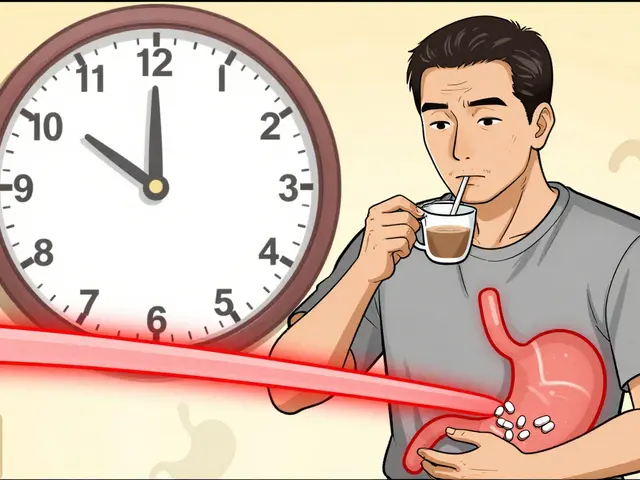
Do you drink coffee every morning? Have a glass of wine on weekends? Eat yogurt with breakfast? These habits matter. One patient on levothyroxine was told to take it on an empty stomach-but didn’t realize her morning yogurt was enough to block absorption. Her thyroid levels stayed low for months. Ask about your daily routine, not just “what not to take.” - Will I need any blood tests or monitoring while taking this?
Some medications, like warfarin or lithium, require regular blood checks to make sure the dose is safe. Others, like certain antibiotics or statins, can damage your liver or kidneys. If your pharmacist says “no monitoring needed,” ask why. Sometimes, they’ll catch a risk your doctor missed.
What You Should Bring to the Pharmacy
You can’t have a good conversation if you don’t have the right info. Before you go, prepare:- A written list of everything you take: prescriptions, OTC meds, vitamins, herbs, supplements, even eye drops or patches
- The exact dosage and how often you take each one
- The time of day you take them (e.g., “I take my thyroid pill at 7 a.m., before coffee”)
- Any recent changes: new meds, stopped pills, new supplements
Common Interactions You Might Not Know About
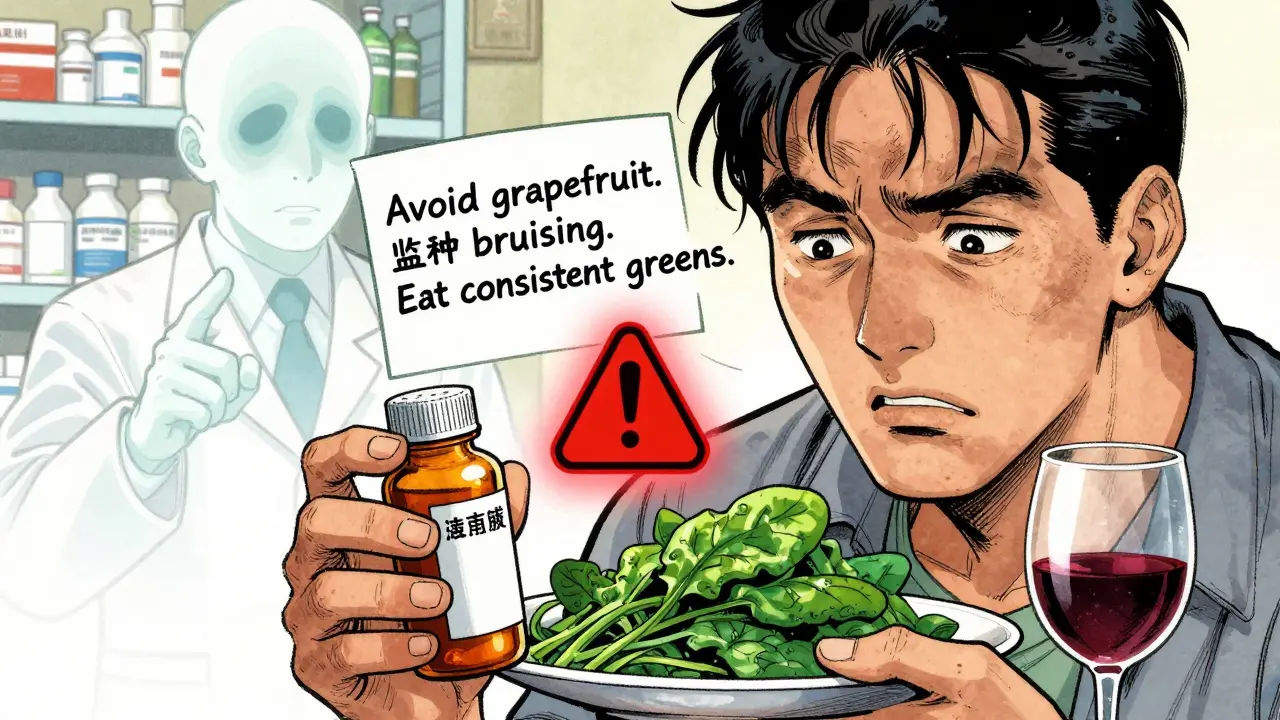
Here are real examples that patients often miss:- Levothyroxine + Calcium/Iron: These minerals block absorption. Take them at least 4 hours apart.
- Warfarin + Vitamin K: Found in leafy greens, vitamin K can make warfarin less effective. You don’t have to avoid spinach-but be consistent. Eat the same amount every day.
- Statins + Grapefruit: Even one grapefruit can cause dangerous buildup. Avoid it entirely if you’re on simvastatin or atorvastatin.
- Antacids + Hepatitis C meds: Tums or Rolaids can reduce absorption of drugs like sofosbuvir. Take them 2 hours before or after.
- Antibiotics + Birth Control: Some antibiotics (like rifampin) can reduce birth control effectiveness. Ask if yours does-and if you need backup.
What to Do If You’re Already Taking Something Risky
If you’ve been taking a combination you now realize is risky, don’t panic. But don’t ignore it either.- Stop the risky combination immediately if you’re having symptoms like dizziness, chest pain, rapid heartbeat, or unusual bruising.
- Call your pharmacist or doctor. Don’t wait for your next appointment.
- Use the FDA’s MedWatch app to report the interaction. Your report helps others avoid the same problem.
How to Stay Safe Beyond the Pharmacy Visit
Medication safety isn’t a one-time conversation. It’s an ongoing habit.- Update your medication list every 3 months-even if nothing changed.
- Use your pharmacy’s app. CVS and Walgreens now have built-in interaction checkers. They’re not perfect, but they catch about 60% of issues.
- Ask about generic vs. brand-name differences. Sometimes, switching brands changes how your body absorbs the drug.
- If cost is a problem, ask your pharmacist about patient assistance programs. Lower-cost options might have different interaction risks.
What’s Changing in 2026
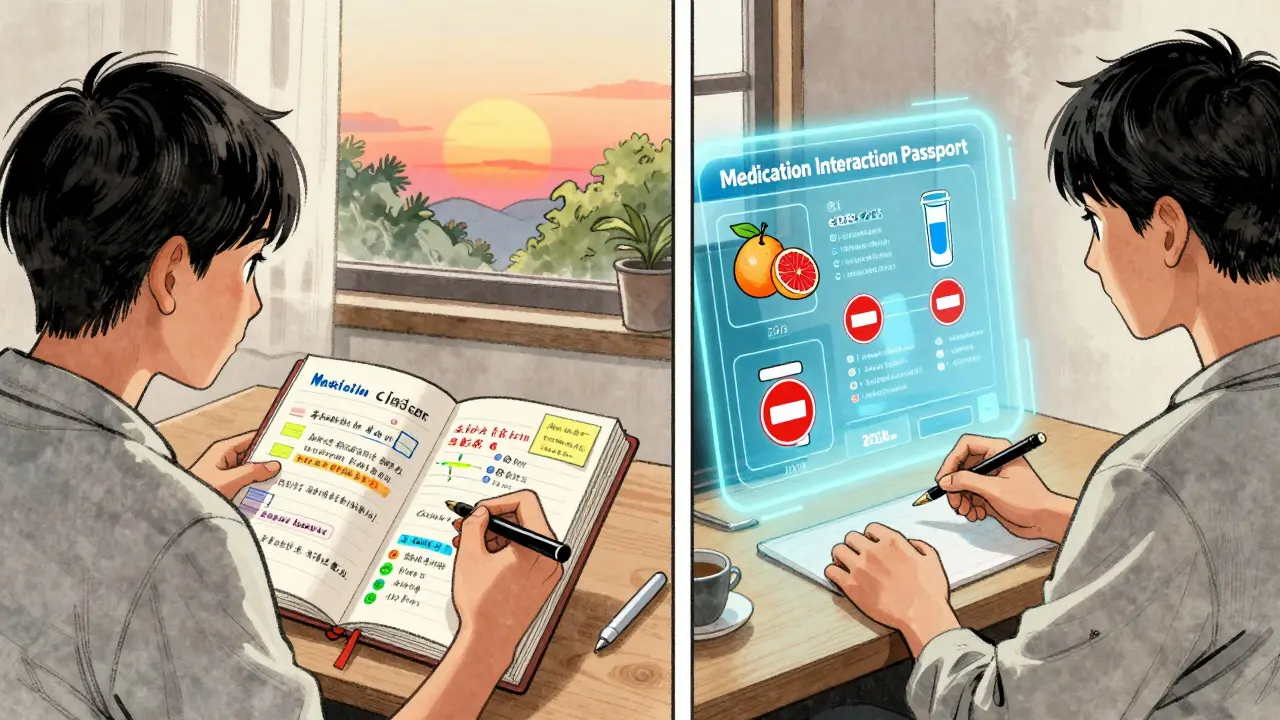
New tools are emerging to help patients. In January 2023, the FDA approved the first genetic test that can predict how your body will react to certain drugs. This means in the future, your pharmacist might know you’re genetically prone to bad reactions with specific medications-even before you take them. Pharmacies in 12 states are testing “medication interaction passports”-simple visual guides that show your personal risks on one page. Think of it like a travel warning: “Avoid grapefruit. Don’t mix with alcohol. Monitor for dizziness.” But none of this matters if you don’t speak up. The knowledge is there. The tools are getting better. The only thing missing is you asking the questions.Can I just check medication interactions online instead of asking my pharmacist?
Online tools can help, but they’re not enough. Apps and websites catch about 60-65% of clinically significant interactions. Pharmacists catch the rest-because they know your full history, your habits, your other conditions, and even how you take your pills. A website can’t know you drink grapefruit juice every morning or that you take your thyroid pill with your coffee. Only a pharmacist can connect those dots.
What if my pharmacist says there are no interactions?
Ask for specifics. Say, “Can you walk me through how this interacts with my other meds?” Sometimes pharmacists give a quick “no” because they’re busy or assume you know. But if you press gently-“I’ve heard grapefruit can affect some drugs, is mine one of them?”-they’ll usually go deeper. If they still say no, ask if they’ve checked against your full list, including supplements.
Do herbal supplements really cause interactions?
Yes-and they’re often the most dangerous because people assume they’re “natural” and safe. St. John’s Wort can interfere with antidepressants, birth control, and heart meds. Garlic and ginkgo can thin your blood, which is risky if you’re on warfarin. A 2022 study found 23.7% more people were using herbal supplements than the year before. Always list them like prescription drugs.
Should I ask about interactions every time I refill a prescription?
Absolutely. Your body changes. You might start a new supplement. Your doctor might add a new med. Even if nothing changed, the interaction risk can shift based on your age, kidney function, or other health changes. Don’t assume “it’s the same pill” means “same risk.”
Can I ask my pharmacist to review all my medications at once?
Yes. If you’re on five or more medications, you’re eligible for a Comprehensive Medication Review (CMR), especially if you’re on Medicare Part D. This is a free, one-on-one session where the pharmacist reviews everything you take, checks for interactions, and helps you organize your regimen. Ask your pharmacy if they offer it.
What if I forget to take a pill and then take two later?
That’s not just a dosing mistake-it can cause an interaction. Taking two doses at once might overload your system, especially if you’re on a drug with a narrow safety window, like digoxin or lithium. Always ask your pharmacist what to do if you miss a dose. Never guess.
Next Steps: Make This Your New Routine
Start today. Before your next pharmacy visit:- Write down every medication and supplement you take.
- Write down your daily habits: coffee, alcohol, grapefruit, dairy, exercise.
- Write down the 5 questions above.
- Ask them. No excuses.





Medication interactions are a systemic oversight in primary care. The data shows that 7% of adverse drug events stem from preventable interactions, yet pharmacists are rarely integrated into the care coordination workflow. Until reimbursement models incentivize comprehensive medication reviews, patients will continue to fall through the cracks. This isn't about individual responsibility-it's about structural failure.
I work in a community pharmacy and this is exactly what we try to do every day. Patients rarely bring full lists, but when they do, we catch 3-4 hidden interactions per week. One guy was taking St. John’s Wort with his SSRI and didn’t realize it was making him jittery. We adjusted his regimen and he cried because he hadn’t slept well in months. Just ask. It’s that simple.
You people are delusional if you think pharmacists are ‘experts’ in anything beyond filling scripts. Doctors go to med school for eight years, pharmacists go to pharmacy school for six. And half of them can’t even spell ‘hypertension’ correctly. If you’re worried about interactions, stop taking supplements and trust your prescriber. Otherwise, you’re just contributing to the ‘I read it on Reddit’ medical misinformation epidemic.
In India, we often rely on pharmacists because doctors rarely have time to explain. But the real issue is access-many rural patients get their meds from unlicensed vendors. Even when they go to a real pharmacy, the pharmacist may not speak the patient’s language. The solution isn’t just asking questions-it’s training community health workers to bridge the gap between science and lived reality.
Just brought my list to the pharmacy last week and asked the 5 questions. The pharmacist spent 20 minutes with me. Turned out my magnesium supplement was canceling out my blood pressure med. She gave me a printed sheet with all my risks. Best 20 minutes of my healthcare life. You don’t need to be a genius-you just need to show up with your list.
Of course you should ask. But let’s be real-most pharmacists are overworked, underpaid, and trained to minimize liability, not educate. They’ll say ‘no interactions’ because they don’t want to deal with the paperwork if something goes wrong. This whole post is naive optimism wrapped in a checklist. Real safety means knowing your meds aren’t even necessary in the first place.
I’m a veteran on 8 medications. My pharmacist knows my whole history-my PTSD, my diabetes, my old injury. She remembers I take my pills with tea, not water. That’s the human element no app can replicate. Don’t treat your pharmacist like a vending machine. Treat them like the expert they are. They’re the ones who’ll catch the thing your doctor missed because they’re the last line before you take the pill.
My mom took warfarin and ate a huge salad one day. She didn’t think it mattered. Got a bleed. Now she eats the same amount of spinach every Tuesday and Friday. Consistency beats avoidance. The key isn’t fear-it’s routine. Write it down. Stick to it. Ask when you’re unsure. That’s all.
In Nigeria, many people use herbal remedies alongside pills. A man I know took artemisinin for malaria and a local herb for ‘cleaning the blood.’ He ended up in the hospital with liver toxicity. No one told him the herb was hepatotoxic. We need community education-not just pharmacy visits. Knowledge must be shared, not just asked for.
bro i just google my meds and it tells me if i can eat grapefruit. why do i need to talk to someone. also why is this so long. like i just want to know if my tylenol will kill me.
There’s a deeper truth here: we’ve turned healthcare into a transaction, not a relationship. You wouldn’t ask a mechanic to fix your car without telling them what noise it makes. Yet we hand over a list of pills and expect magic. The pharmacist isn’t a gatekeeper-they’re a translator. And if you don’t speak up, you’re the one who stays silent in the dark.
This changed my life. I used to think supplements were harmless. Now I bring my list every time. My anxiety dropped because I stopped taking that ‘natural’ energy blend that was spiking my heart rate. You don’t need to be perfect. Just start. One question at a time.
THEY KNOW. THEY ALL KNOW. THE PHARMACIES ARE IN BED WITH BIG PHARMA. THEY’RE TOLD TO SAY ‘NO INTERACTIONS’ SO YOU KEEP BUYING. I SAW A MAN GET A NEW PRESCRIPTION AND THE PHARMACIST WHISPERED ‘DON’T DRINK GRAPEFRUIT’ BUT THEN TOLD THE CLERK TO CHARGE HIM $120 FOR THE SAME DRUG IN A DIFFERENT BRAND. THIS IS A SCAM. YOU’RE BEING USED.
The entire premise of this post is predicated on a reductive epistemology of pharmaceutical science that ignores the ontological complexity of polypharmacy in aging populations. The pharmacists’ heuristic models are calibrated to population-level pharmacokinetics, not individualized metabolic phenotypes, rendering the proposed five questions functionally inadequate in the context of epigenetic variability and gut microbiome modulation. Moreover, the assumption that a static medication list is sufficient ignores the dynamic homeostatic feedback loops induced by circadian rhythm disruption, dietary flavonoid fluctuations, and cytochrome P450 enzyme induction-all of which necessitate continuous, algorithmically integrated pharmacovigilance, not manual interrogation.