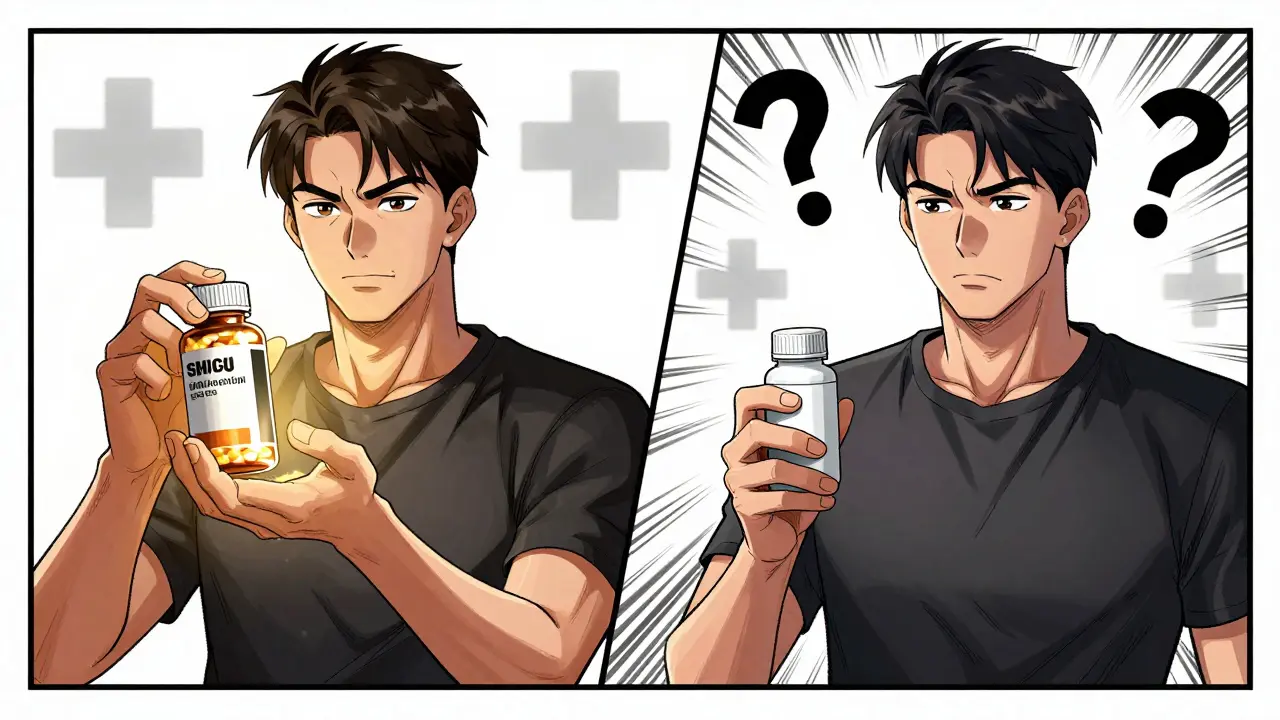
Have you ever switched from a brand-name drug to its cheaper generic counterpart and suddenly felt like the treatment stopped working? You aren’t alone. Millions of patients experience this unsettling shift, leading many to believe that generic medications are somehow inferior or "weaker" than their expensive predecessors. This feeling is so common that it has become a major hurdle in modern healthcare, affecting everything from your monthly prescription costs to your long-term health outcomes.
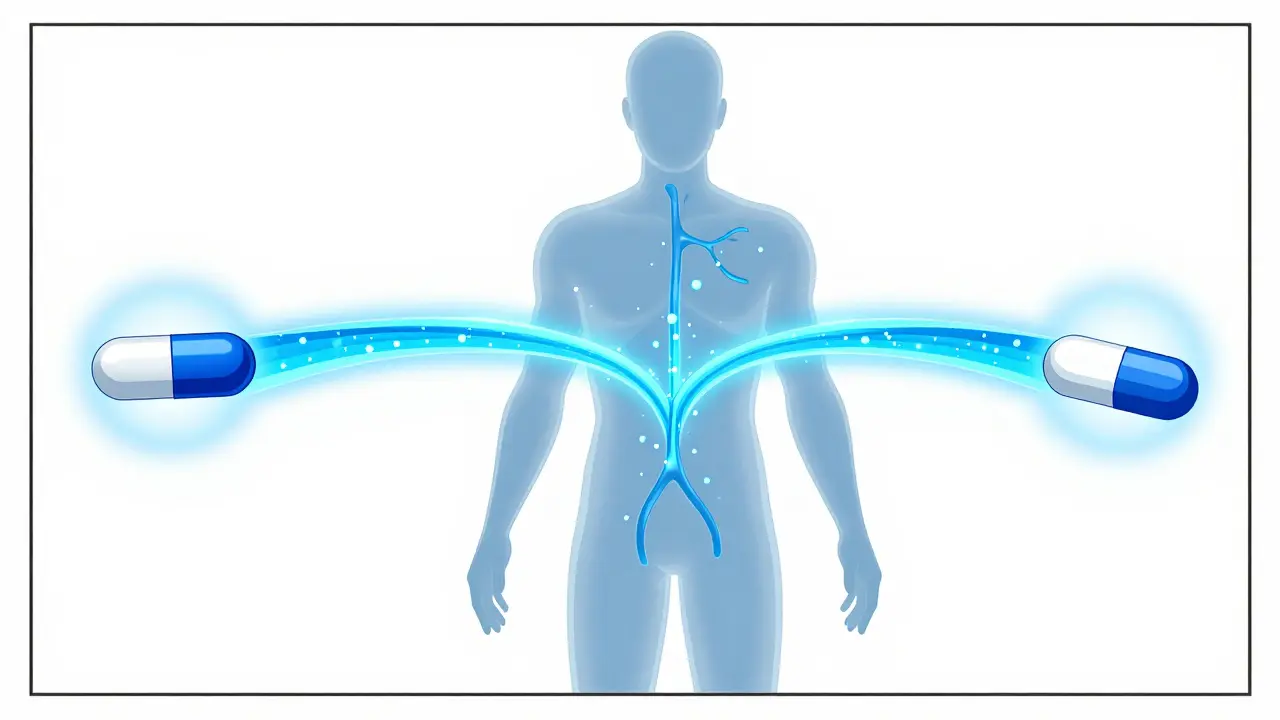
The reality, however, is starkly different from this widespread perception. Regulatory agencies like the U.S. Food and Drug Administration (FDA) require generic drugs to be bioequivalent to brand-name drugs. This means they must deliver the same amount of active ingredient into your bloodstream within the same timeframe. Despite strict scientific standards proving these medicines are therapeutically identical, a persistent gap remains between what the data says and what patients feel. Understanding why this disconnect exists-and how to navigate it-is crucial for anyone managing chronic conditions or trying to reduce healthcare expenses.
The Science Behind the Similarity
To understand why generics work just as well as brand names, we have to look at the regulatory framework established by the Hatch-Waxman Act of 1984. This legislation created the pathway for generic approval after a brand-name drug’s patent expires. The core requirement is bioequivalence. When a generic manufacturer wants FDA approval, they don’t need to repeat massive clinical trials on thousands of patients. Instead, they conduct rigorous pharmacokinetic studies involving 24 to 36 healthy volunteers.
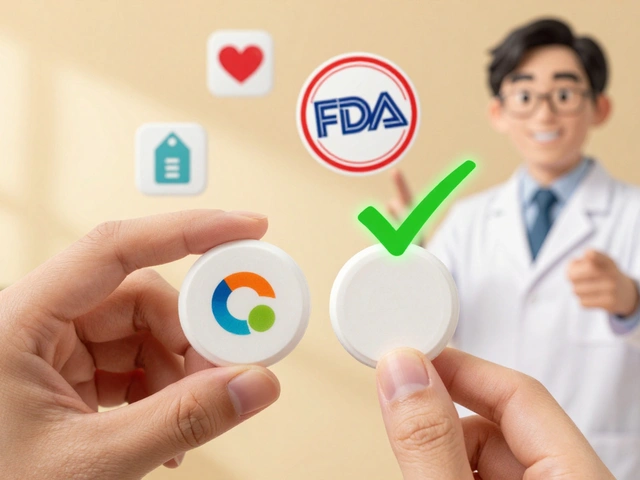
These studies measure blood concentration levels over time. The FDA allows a statistical range of 80% to 125% compared to the brand-name drug’s profile. While this might sound like a wide margin, it is scientifically proven to be clinically insignificant for most medications. In plain terms, the generic delivers the same therapeutic effect. The active ingredient-the molecule that actually fights the disease or manages symptoms-is identical in strength, dosage form, and route of administration. The only differences are usually inactive ingredients, such as fillers, binders, or dyes, which do not affect how the drug works in your body.
Manufacturing standards are also strictly enforced. All facilities, whether domestic or foreign, must adhere to Current Good Manufacturing Practices (cGMP). While some reports have noted more inspectional observations for foreign facilities, the final product must meet the same safety and efficacy standards as any brand-name drug sold in the United States. For narrow therapeutic index drugs-medications where small changes in dose can have significant effects, such as warfarin or levothyroxine-the FDA implements additional quality controls. Even here, major medical organizations like the American College of Clinical Pharmacy maintain that brand and generic versions demonstrate therapeutic equivalence.
The Power of the Nocebo Effect
If the science is solid, why do so many people report negative experiences? The answer often lies in psychology, specifically a phenomenon known as the nocebo effect. Just as the placebo effect can make a sugar pill seem effective if you believe it will help, the nocebo effect can cause real physical symptoms or perceived inefficacy if you expect a negative outcome.
A 2023 study published in JAMA Network Open highlighted this powerful connection. Researchers found that patients who were informed generics are "equally effective" showed 34% better adherence to their medication regimen. Conversely, those told generics are "less effective" showed 41% worse adherence. This proves that perception directly impacts outcomes, regardless of the actual chemical composition of the drug. If you believe a cheaper pill is "lesser," your brain may amplify minor side effects or interpret normal fluctuations in your condition as proof that the medication isn't working.
This psychological bias is reinforced by subtle cues. Brand-name drugs often come in distinct packaging, with specific colors, shapes, and tastes that patients associate with reliability. Generics may look different because manufacturers use different inactive ingredients or molding processes. When a patient sees a white, round tablet instead of the familiar blue oval capsule, the visual discrepancy triggers doubt. This doubt can manifest as anxiety, which itself can worsen symptoms for conditions like hypertension, anxiety disorders, or migraines.
Who Is Most Skeptical?
The perception gap isn't evenly distributed across all populations. Research shows significant demographic disparities in trust toward generic medications. A 2015 national survey published in the Journal of General Internal Medicine revealed that non-Caucasian patients were significantly more skeptical about clinical equivalence than Caucasian patients (43% vs. 29%). These patients were also more likely to request brand-name drugs.
Rural populations also show strong perception gaps. Studies in regions like Alabama's Black Belt documented beliefs that generics are "less potent," "require higher doses," or are "for poor people." These perceptions contradict FDA requirements but reflect deeper societal issues regarding trust in pharmaceutical systems and healthcare access. Rural areas often have fewer pharmacy resources and less exposure to detailed patient education campaigns, leaving residents vulnerable to misinformation.
Additionally, age plays a role. Older adults, who often manage multiple chronic conditions, may have taken brand-name drugs for decades. Switching to generics later in life can feel risky when their health is already fragile. This historical loyalty to brand names creates inertia that is difficult to break without clear, empathetic communication from healthcare providers.
| Feature | Brand-Name Drug | Generic Drug |
|---|---|---|
| Active Ingredient | Identical | Identical |
| Bioavailability Range | Reference Standard | 80-125% of Reference |
| Cost Savings | d>$0 | 80-85% Less Expensive |
| Packaging & Appearance | Distinctive, Branded | Varies by Manufacturer |
| FDA Approval Pathway | New Drug Application (NDA) | Abbreviated New Drug Application (ANDA) |
| Inactive Ingredients | Proprietary Formula | May Differ (Fillers, Dyes) |
The Economic Stakes
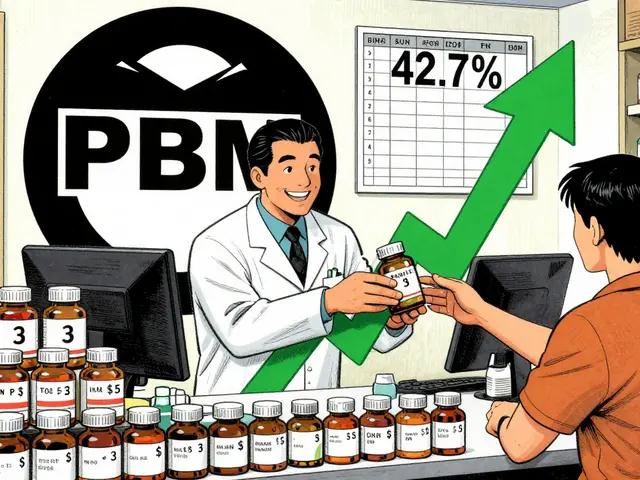
The perception gap isn't just a personal inconvenience; it carries massive economic weight. Generics cost 80% to 85% less than brand-name equivalents on average. From 2009 to 2019, this price difference translated to approximately $1.7 trillion in healthcare savings, according to the Generic Pharmaceutical Association. The U.S. generic drug market was valued at $128.4 billion in 2022, with potential for an additional $5.9 billion in annual savings if perception barriers were eliminated.
However, brand-name manufacturers actively exploit these perception gaps. A 2021 investigation by STAT News documented $1.8 billion in annual spending by brand manufacturers on "product differentiation" campaigns. These marketing efforts subtly undermine confidence in generics without making false claims, focusing instead on brand loyalty, trust, and perceived superiority. This strategy keeps prices high for brand-name drugs and discourages patients from switching, even when generics are available.
The Congressional Budget Office projects $125 billion in avoidable healthcare costs over the next decade if perception gaps aren't addressed. When patients refuse generics, insurers and government programs like Medicare pay more, driving up premiums and out-of-pocket costs for everyone. Closing this gap is not just about individual health; it's about systemic financial sustainability.
How Providers Can Bridge the Gap
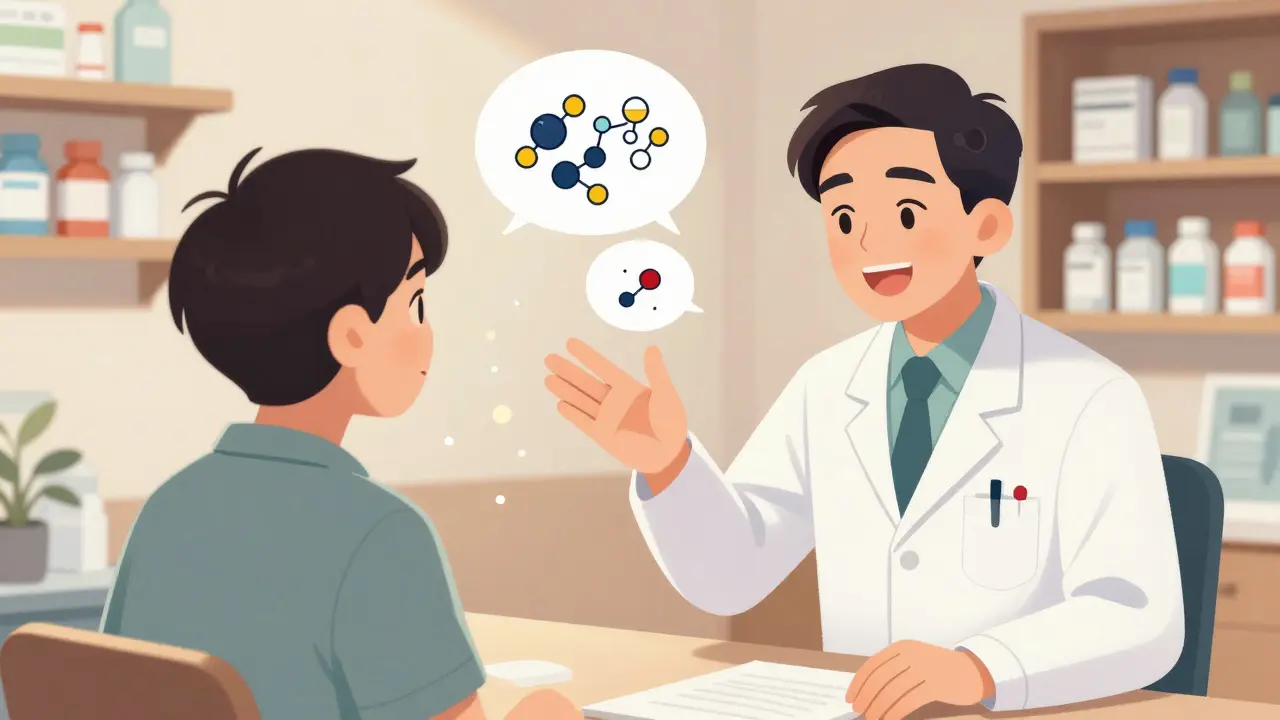
Healthcare providers play a critical role in shaping patient perceptions. Dr. William Shrank, Chief Medical Officer at UnitedHealth Group, led a 2016 study showing that patient communication by healthcare providers is the strongest predictor of generic medication use. It outweighs considerations of cost, efficacy, or safety perceptions.
Despite this, physicians spend an average of 3.2 minutes per prescription addressing concerns about generic substitutions, according to a 2020 American Medical Association survey. Primary care physicians in low-income areas report devoting up to 15% of consultation time to these discussions. The most effective strategies include:
- Demonstrating Identical Active Ingredients: Showing patients that the chemical formula is the same improves acceptance by 87%.
- Providing FDA Equivalence Documentation: Sharing official equivalence ratings boosts confidence by 76%.
- Addressing the Nocebo Effect Directly: Explaining how expectations influence physical sensations improves outcomes by 68%.
Documentation quality matters too. The FDA’s "Generic Drugs" webpage received 4.2 million visits in 2022 but scored only 58/100 on the Flesch-Kincaid readability test, making it inaccessible to many patients. Community resources like the FDA’s "It's the Same Medicine" campaign have reached 27 million people since 2019, but recall accuracy remains low at 19%. Future developments, such as the FDA’s planned "Equivalence Explorer" tool, aim to provide interactive, easy-to-understand data on therapeutic equivalence for specific drug switches.
Navigating Your Own Experience
If you’ve had a negative experience with a generic, it doesn’t mean the drug is ineffective. First, rule out other factors. Have your diet, stress levels, or other medications changed? Sometimes, natural disease progression mimics medication failure. If symptoms persist, talk to your pharmacist or doctor. They can check if a different generic manufacturer might be a better fit for you, as inactive ingredients vary between companies.
Remember, you have the right to ask questions. Ask your provider to explain the bioequivalence testing process. Request to see the Therapeutic Equivalence Rating on your prescription label. By understanding the science and acknowledging the psychological component, you can take control of your health decisions without falling prey to unfounded fears or expensive marketing tactics.
Are generic drugs really the same as brand-name drugs?
Yes. Generic drugs contain the same active ingredient, dosage, strength, and intended use as brand-name drugs. The FDA requires them to be bioequivalent, meaning they deliver the same amount of medicine into your bloodstream within the same timeframe. Differences in appearance or inactive ingredients do not affect therapeutic performance.
Why do I feel different when I switch to a generic?
This is often due to the nocebo effect, where negative expectations cause real physical symptoms. Visual differences in pill shape or color can trigger doubt, leading your brain to perceive reduced effectiveness. Additionally, natural fluctuations in your condition may coincide with the switch, creating a false association.
Can I ask my doctor for a specific generic manufacturer?
Yes. While generics are therapeutically equivalent, inactive ingredients vary by manufacturer. If you experience sensitivity to fillers or dyes, your doctor or pharmacist can prescribe a specific manufacturer’s version to ensure consistency.
Do generic drugs have the same side effects as brand-name drugs?
Generally, yes. Since the active ingredient is identical, the risk of side effects is the same. However, rare allergies to inactive ingredients (like lactose or dyes) in one generic formulation might occur, though this is uncommon.
Why are generic drugs so much cheaper?
Generic manufacturers don’t bear the costs of initial research, development, or large-scale clinical trials required for brand-name drugs. Once the patent expires, competition drives prices down, saving the healthcare system billions annually.