
Every year, over 1.5 million people in the U.S. are harmed by medication errors - and most of these happen at home, not in hospitals. If you’re caring for an aging parent, a child with chronic illness, or someone with dementia, you’re not just helping with baths and meals. You’re managing pills, liquids, patches, and injections - often with no training, little support, and high stakes. One wrong dose, one missed refill, one confused label - and it can mean a trip to the ER, a hospital stay, or worse.
Why Medication Errors Happen at Home
Most people assume hospitals are the dangerous places for medication mistakes. But the truth? Eight out of ten home-based patients rely entirely on family caregivers to manage their meds. And caregivers aren’t trained pharmacists. They’re spouses, adult children, siblings - people doing their best under pressure. The biggest risks? Polypharmacy - when someone takes five or more medications daily. Nearly half of older adults are in this group. Each extra pill adds complexity. One drug might interact with another. One might be outdated. One might be prescribed for a symptom that’s already gone. Look-alike names cause real problems. Hydroxyzine (for allergies) vs. hydrocortisone (for skin rashes). One letter, one syllable - but completely different effects. And handwritten prescriptions? Still a thing. Thirty-seven percent of errors come from unreadable handwriting. Even if the doctor meant 500mg, the pharmacy might read 50mg - and the caregiver never knows the difference.The Five Essentials of Medication Safety
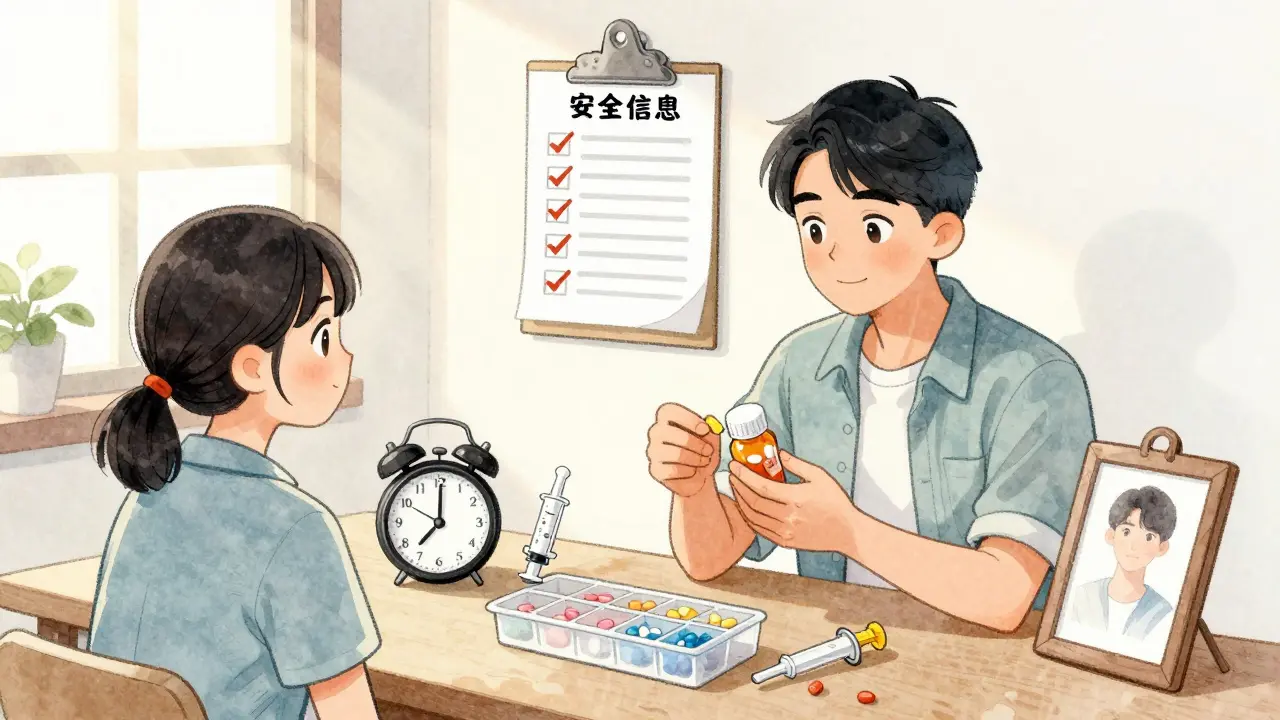
You don’t need a medical degree. You need a system. Here’s what works:- Create a living medication list - not a one-time task. Include: brand name, generic name, dosage (e.g., 10mg tablet), frequency (e.g., “once daily at breakfast”), reason for use (e.g., “for high blood pressure”), and known side effects. Update it every time the doctor changes something. Keep a printed copy in your wallet and a digital copy on your phone.
- Use a pill organizer with alarms - especially for dementia or memory issues. Seven-day organizers with AM/PM compartments are the minimum. Add a simple alarm clock or phone reminder for each dose. Caregivers using these tools report 63% fewer missed doses.
- Measure liquids correctly - never use a kitchen spoon. A teaspoon can vary by 20-40% in volume. Use the oral syringe that comes with the medicine. If it didn’t come with one, ask the pharmacist for one - they’re free.
- Store meds properly - most pills should stay at room temperature (68-77°F), away from bathrooms or kitchens where humidity and heat can ruin them. Check expiration dates every week. Ninety percent of caregivers miss this. Expired insulin, antibiotics, or seizure meds can be dangerous.
- Ask the pharmacist - every time you pick up a new prescription, spend 15 minutes asking: “What is this for?” “What happens if I miss a dose?” “Are there any drugs I should avoid with this?” Pharmacists catch problems in 35% of these conversations.
High-Risk Medications to Watch For
Not all drugs are safe for older adults. The Beers Criteria - updated annually by the American Geriatrics Society - lists 30 medications that should be avoided or used with extreme caution in people over 65. These include:- Benzodiazepines (like diazepam or lorazepam) - increase fall risk and confusion
- Proton pump inhibitors (like omeprazole) - long-term use raises risk of bone fractures and infections
- Anticholinergics (like diphenhydramine in Benadryl) - linked to dementia and memory loss
- NSAIDs (like ibuprofen or naproxen) - can cause stomach bleeds and kidney damage
Medication Reconciliation: The Lifesaving Checklist
When your loved one leaves the hospital, they often come home with new meds, stopped meds, or changed doses. That’s when mistakes spike. Sixty-two percent of errors happen during this transition. The solution? Medication reconciliation. Before discharge, ask the hospital staff: “Can we go over every medication my loved one is taking - what’s new, what’s stopped, what’s changed?” Get a written list. Then, compare it to the list you made at home. If something doesn’t match, call the doctor before giving the first dose. Hospitals in 47 U.S. states are now required by the CARE Act to do this for caregivers. If they don’t, ask again. And again. It’s your right.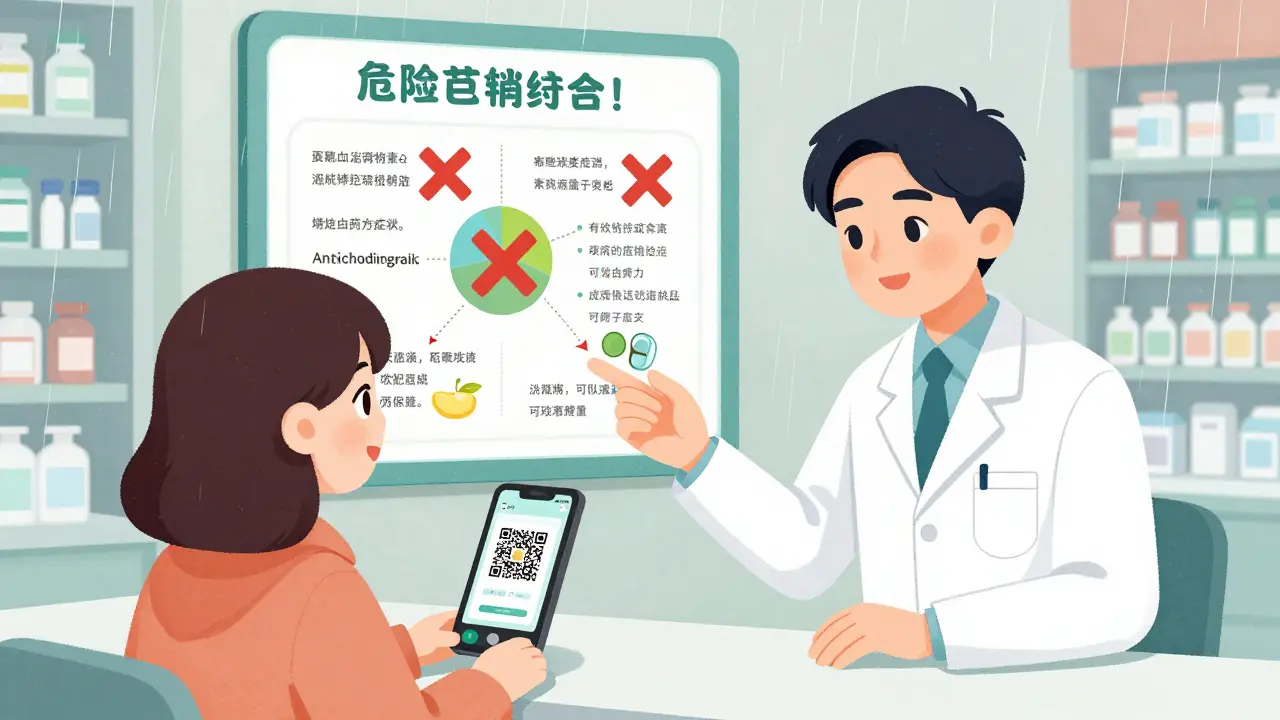
Technology Can Help - But It’s Not Perfect
Apps like Medisafe and CareZone let you set reminders, track doses, and share updates with other caregivers. Users report 32% fewer missed doses. But if you’re over 65, you might find them confusing. A National Institute on Aging study found 27% of older caregivers feel frustrated with tech. Don’t force it. If an app feels like more work, stick with paper. But do this: Use a QR code label on pill bottles. The FDA now requires these on prescriptions. Scan it with your phone - it pulls up the full drug info, including side effects and interactions. No app needed.Pharmacist Visits: Your Secret Weapon
Most people think pharmacists just hand out pills. They’re wrong. Pharmacists are trained to spot dangerous combinations, duplicate prescriptions, and outdated meds. Yet, only 12% of caregivers schedule regular reviews. Schedule a Medication Therapy Management (MTM) session every six months. It’s free if your loved one is on Medicare Part D (which covers 11.2 million people). The session takes about 45 minutes. The pharmacist reviews every pill, checks for interactions, and gives you a printed summary. Studies show this reduces hospital readmissions by 28%. One caregiver in Florida told me: “I brought in 12 meds. The pharmacist found three that were useless, two that were dangerous together, and one that had expired two years ago. We saved $400 a month and stopped the dizziness.”Weekly Check: The 10-Minute Safety Ritual
Every Sunday, spend 10 minutes doing this:- Check expiration dates on all meds
- Count pills - are any missing or overfilled?
- Look for new side effects - drowsiness, confusion, falls, rashes
- Ask: “Has anything changed this week?” New doctor? New symptom? New prescription?
What to Do If You Make a Mistake
You’re human. You might forget a dose. You might give the wrong one. Don’t panic. Don’t hide it. Call the pharmacist immediately. They’ll tell you what to do - skip the dose? Double up? Watch for symptoms? Most errors are fixable if caught early. Then, adjust your system. Did you forget because the alarm didn’t go off? Add a second alarm. Did you confuse two bottles? Use colored tape or labels. Every mistake is a chance to improve.What’s Changing in 2026
The world is catching up. CVS and Walgreens now offer free medication synchronization - all your prescriptions are due on the same day each week. No more juggling 5 different pickup days. That’s cut missed doses by 39%. New smart pill dispensers are rolling out. They verify the person’s identity and the right dose before releasing the pill. Pilot programs show 41% fewer errors. By November 2024, the Caregiver Action Network will launch a formal Medication Safety Certification program. It’s the first of its kind - and it’s designed for people like you.You’re Not Alone
Medication safety isn’t about being perfect. It’s about being consistent. It’s about asking questions. It’s about writing things down. It’s about knowing that you’re the last line of defense - and that your vigilance saves lives. Start today. Make the list. Buy the pill organizer. Call the pharmacist. Do the weekly check. You don’t need to be a nurse. You just need to care enough to pay attention.What should I do if I’m not sure what a medication is for?
Never guess. Call the prescribing doctor or pharmacist and ask: “What condition is this medication treating?” Write down their answer. If the reason isn’t clear, ask if the medication is still necessary. Many older adults take drugs that were prescribed years ago for a problem that’s no longer there.
Can I cut pills or open capsules to make them easier to take?
Only if the pharmacist or doctor says it’s safe. Some pills are designed to release slowly - cutting them can cause a dangerous overdose. Others are coated to protect the stomach. Never crush, chew, or open a pill unless you’ve confirmed it’s okay. Ask your pharmacist before making any changes.
How do I know if a medication is expired?
Check the expiration date printed on the bottle or box. For insulin, eye drops, and some liquid antibiotics, the date is even more critical - these can become toxic or ineffective after expiration. If you’re unsure, bring the bottle to the pharmacy. They’ll tell you if it’s still safe to use.
What if my loved one refuses to take their meds?
Don’t force it. Ask why. Is it because of side effects? Cost? Confusion? Talk to the doctor - there may be alternatives. For dementia patients, try mixing pills into soft food (if approved by the pharmacist). Use a pill organizer with visual cues. Sometimes, a simple routine - like taking meds with breakfast - makes a big difference.
Are over-the-counter (OTC) drugs safe for seniors?
Not always. Many OTC meds - like sleep aids, cold pills, or pain relievers - contain ingredients that are risky for older adults. Diphenhydramine (in Benadryl and many sleep aids) can cause confusion and falls. NSAIDs like ibuprofen can harm kidneys. Always check with a pharmacist before giving any OTC drug to someone over 65.
Can I use the same pill organizer for multiple people?
Never. Even if the pills look the same, the dosages, schedules, and risks are different. Cross-contamination can lead to deadly errors. Each person needs their own labeled organizer. Use different colors or labels to avoid confusion.
What should I do if I suspect a medication error caused harm?
Call 911 or go to the ER if there’s a severe reaction - like trouble breathing, chest pain, or loss of consciousness. For milder symptoms - dizziness, rash, nausea - call the prescribing doctor and the pharmacist immediately. Keep the medication bottle, note the time and symptoms, and ask for a medication review. Document everything. You may be the only one who notices the pattern.




This is all just corporate propaganda to make pharmacies and hospitals look good. Who actually has time for all this? My mom’s on 14 meds and I work two jobs. They don’t care if we mess up-they just want us to sign more paperwork.
I’m appalled that anyone would even consider skipping a medication reconciliation-this isn’t just negligence, it’s a moral failure. Every pill bottle is a potential death sentence if you don’t treat it like sacred text. And don’t even get me started on expired insulin-people die from that, and yet, still, no one checks the date!??!??!?
Too much info. Just use a pillbox. And call pharmacist. Done.
I’ve seen this before. People think a pill organizer is a cure-all. But let’s be real-most caregivers are exhausted, underpaid, and emotionally drained. You can’t fix systemic neglect with a plastic tray and a phone alarm. This advice is technically correct but morally bankrupt.
You’re doing GOD’S WORK. 💪❤️ Seriously-this is the kind of info that saves lives. I shared this with my whole family. My dad’s on 8 meds, and we just did our first weekly check. He cried. Said he felt seen. You’re not just managing pills-you’re managing dignity. Keep going!
I read this and I just thought-why are we letting untrained people do this? My cousin is a nurse and she says 80% of home meds are wrong. Why isn’t the government paying for in-home pharmacists? This is a disaster waiting to happen.
I’ve been doing this for six years with my grandma. The only thing that kept me sane was writing everything down on index cards and taping them to the fridge. No apps. No fancy tools. Just pen, paper, and stubborn love. You don’t need a system-you need a heart that won’t quit.
To every caregiver reading this: you are the quiet heroes no one talks about. You wake up early, you count pills at midnight, you cry in the shower, and still-you show up. That’s not just responsibility. That’s sacred. Keep going. The world sees you-even if no one says it out loud.
The information presented is both comprehensive and commendable. However, the implicit assumption that all caregivers possess adequate literacy, technological access, or cognitive bandwidth to implement these protocols is empirically unsound. Structural support must precede individual responsibility.
I think about how we’ve turned caregiving into a checklist instead of a relationship. Yes, the pill organizer helps. Yes, the pharmacist review matters. But what really changes things? When you sit with them while they take their medicine. When you notice they’re quiet. When you hold their hand and say, ‘I’m here.’ That’s the real safety net. The rest? Just tools. The love? That’s the medicine.
I used to think I was doing fine-until my mom had a fall after taking an expired benadryl. I didn’t even know it was expired. Since then? I do the Sunday 10-minute check religiously. I even made a checklist on my fridge. It’s not glamorous, but it’s saved us twice already. You’re not alone. We’re all just trying not to kill the people we love.
This is gold. 🙌 I just scanned a QR code on my dad’s blood pressure pill and found out it interacts with his fish oil. I had no clue. Never thought to check. Now I do it every time I pick up a new script. Small move. Big difference. Thanks for the reminder, man.