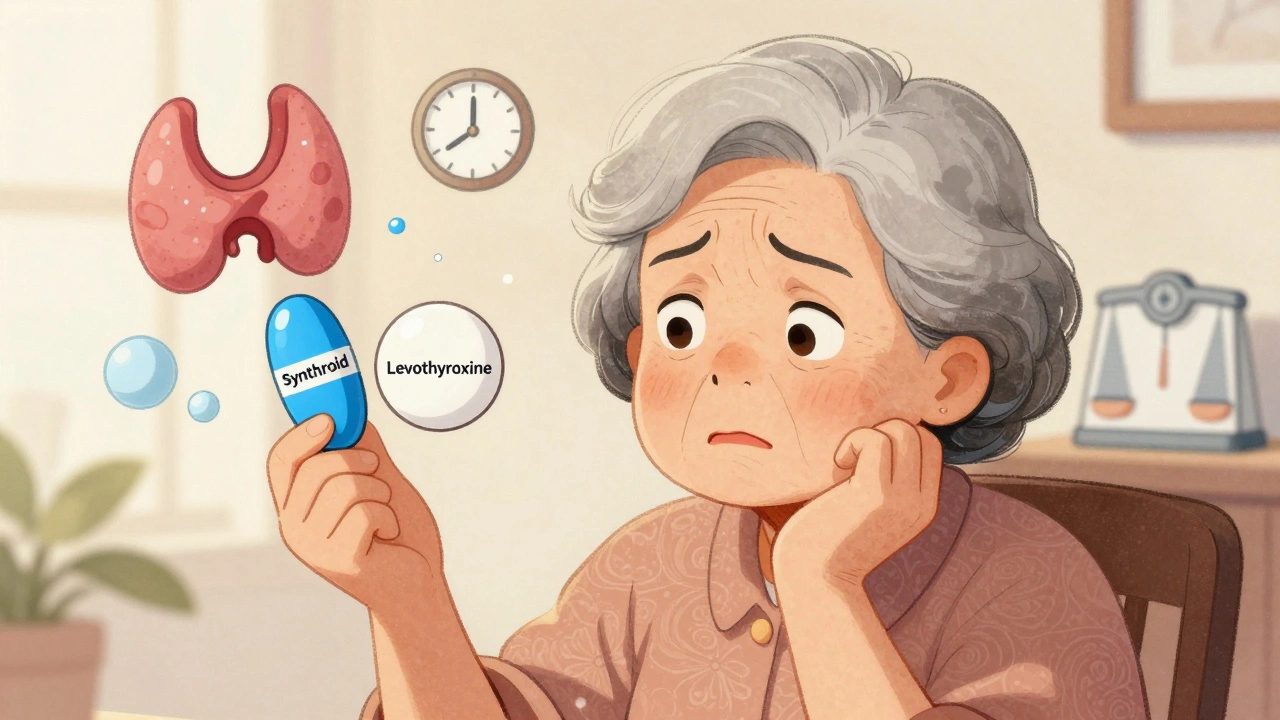
When older adults switch from brand-name drugs to generics, it’s not just a cost-saving move-it’s a medical decision with real consequences. Many seniors are told the switch is safe, identical, and smart. But what happens when a pill looks different, costs less, and suddenly the patient feels off? For people over 65, especially those taking multiple medications, the transition isn’t always smooth. And it’s not just about money. It’s about how aging bodies handle drugs, how well patients understand what they’re taking, and whether the system supports them through the change.
Why Generics Are Pushed for Elderly Patients
Medicare Part D beneficiaries filled over 527 million generic prescriptions in 2022. That’s 89% of all prescriptions for seniors. The reason? Savings. On average, a senior saves $602 a year by switching to generics. For someone living on a fixed income, that’s groceries, heat, or rent. The FDA requires generics to have the same active ingredient, strength, dosage form, and route of administration as the brand-name version. They must also be bioequivalent-meaning they deliver the same amount of medicine into the bloodstream within a narrow range (80-125%). That’s the standard. And for most drugs, it works. But here’s the catch: generics aren’t always identical in appearance, fillers, or release timing. And for elderly patients with fragile systems, even small differences can matter.How Aging Changes the Way Drugs Work
As people age, their bodies change. Kidneys slow down. Liver blood flow drops. Body fat increases while muscle mass declines. These shifts alter how drugs are absorbed, distributed, and cleared. For someone 85 or older, creatinine clearance often falls below 50 mL/min. That means drugs stick around longer. A dose that was fine at 65 might become toxic at 85. Add to that: 32.7% of adults over 85 have low body weight. That affects how much medicine spreads through the body. And 45.8% of Medicare beneficiaries take five or more medications daily. That’s polypharmacy. The more pills you take, the higher the chance of a bad reaction. The American Geriatrics Society calls this a ticking time bomb. One study found that using potentially inappropriate medications (PIMs) increases the risk of hospitalization by 91%. Now, imagine switching a generic version of a drug that’s already pushing the limits of your body’s ability to handle it. Even if the active ingredient is the same, the inactive ingredients-like dyes, binders, or coatings-can affect how fast the drug dissolves. For someone with reduced stomach motility, a slightly slower-release tablet might mean the medicine doesn’t get absorbed properly.High-Risk Drugs: When Switching Gets Dangerous
Not all generics are created equal when it comes to safety for seniors. Certain drugs have what’s called a narrow therapeutic index. That means the difference between the right dose and a dangerous one is tiny. Warfarin, used to prevent blood clots, is one of them. A 2021 study of nearly 135,000 patients found that switching from brand-name warfarin to a generic version led to an 18.3% higher risk of emergency room visits within 30 days. Why? Because small changes in blood levels can cause dangerous bleeding or clots. The American Geriatrics Society doesn’t recommend automatic substitution of warfarin without close monitoring of INR levels-especially in older adults. Other high-risk drugs include levothyroxine (for thyroid function), phenytoin (for seizures), and lithium (for bipolar disorder). For levothyroxine, patients often report symptoms returning after switching: fatigue, weight gain, brain fog. On Reddit’s r/geriatrics, 73% of 147 commenters said they felt worse after switching from Synthroid to a generic. While the FDA says these are likely coincidental, the consistency of patient reports can’t be ignored.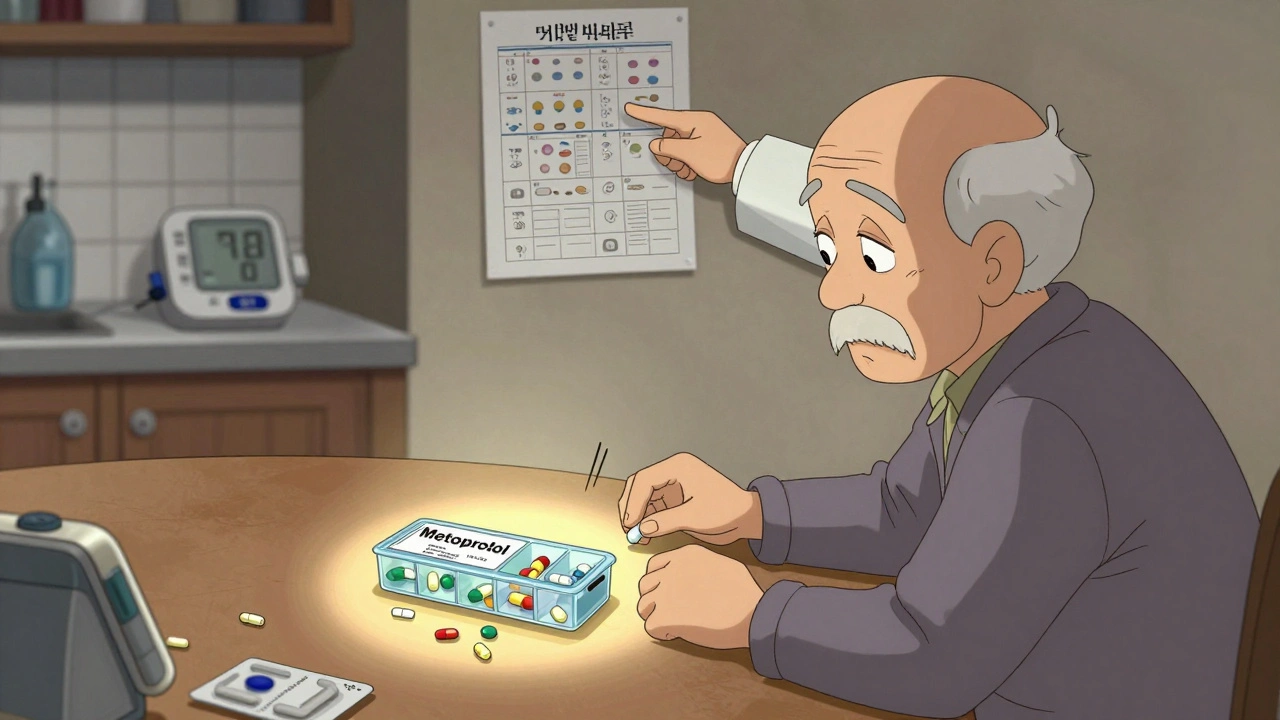
Perception Matters More Than You Think
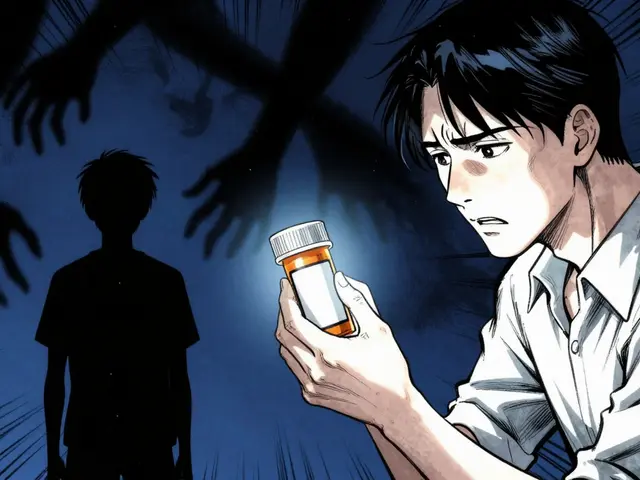
Here’s the surprising part: many seniors don’t believe generics work as well. A 2023 study of 315 Medicare patients found fewer than half thought generics were as safe or effective as brand-name drugs. One in four low-income seniors believed generics were less effective. One in five thought they were less safe. And 20-40% were unsure about equivalence across key drug characteristics. Why? Appearance. A pill that used to be blue and oval is now white and round. The name on it changed. The patient thinks, “This isn’t the same.” And if they’ve had a bad experience before-even if it was unrelated-they assume the new pill caused it. Health literacy plays a huge role. About 36% of adults 65 and older have trouble understanding basic health information. They might not know what “bioequivalent” means. They might not realize their blood pressure pill is now a generic. If they don’t understand the switch, they’re more likely to skip doses or stop taking it altogether. Studies show that when patients don’t understand their meds, noncompliance rates jump to 55%.What Works: How to Make the Switch Safe
Switching to generics doesn’t have to be risky. But it needs structure. And it needs time. First, don’t switch blindly. If a patient is stable on a brand-name drug-especially for warfarin, levothyroxine, or seizure meds-don’t change it unless there’s a clear reason. And if you do switch, monitor closely. For warfarin, check INR levels within 1-2 weeks. For thyroid meds, retest TSH in 6-8 weeks. Second, talk. Not just once. Use the “teach-back” method. Ask the patient: “Can you tell me why you’re taking this pill and what it’s supposed to do?” Studies show this improves adherence by 42%. Show them the old pill and the new one side by side. Point out the active ingredient is the same. Use simple language: “This is the same medicine, just made by a different company.” Third, involve a pharmacist. A 2024 study found that when clinical pharmacists joined the care team, they reduced inappropriate prescriptions by 37%. They catch interactions, spot duplicates, and explain switches in ways doctors don’t always have time for. Fourth, use technology. Computerized systems that flag high-risk substitutions or remind providers to check for polypharmacy improved appropriate prescribing by nearly 30%. These aren’t fancy AI tools-they’re simple alerts built into electronic health records.Real Stories, Real Outcomes
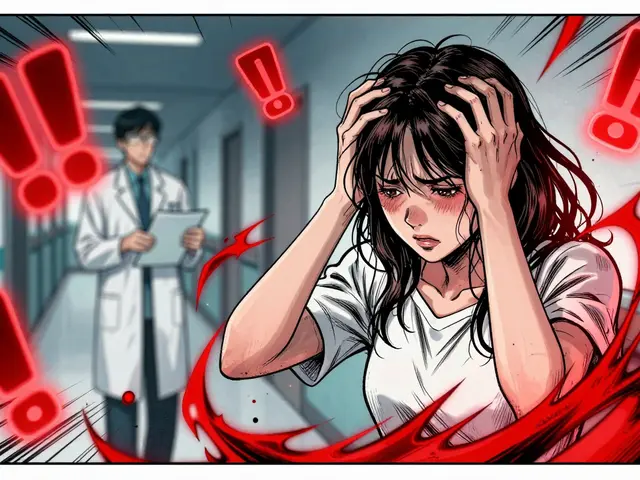
Mrs. Rivera, 78, had been on Synthroid for 12 years. She felt fine. Her TSH was steady. Then her pharmacy switched her to a generic. Within six weeks, she was tired all the time, gained 8 pounds, and started forgetting names. She didn’t tell her doctor-she thought it was just getting older. Her daughter noticed and pushed for a blood test. Her TSH had doubled. Switching back to Synthroid fixed it in four weeks. Mr. Thompson, 82, takes eight medications. His doctor switched him to generics for hypertension and diabetes to save money. He didn’t understand the changes. He stopped taking one pill because it looked “wrong.” He ended up in the ER with a blood pressure spike. His care team later realized he’d been skipping his generic metoprolol because the tablet was smaller and didn’t have the same imprint. These aren’t rare cases. They’re the norm in under-supported systems.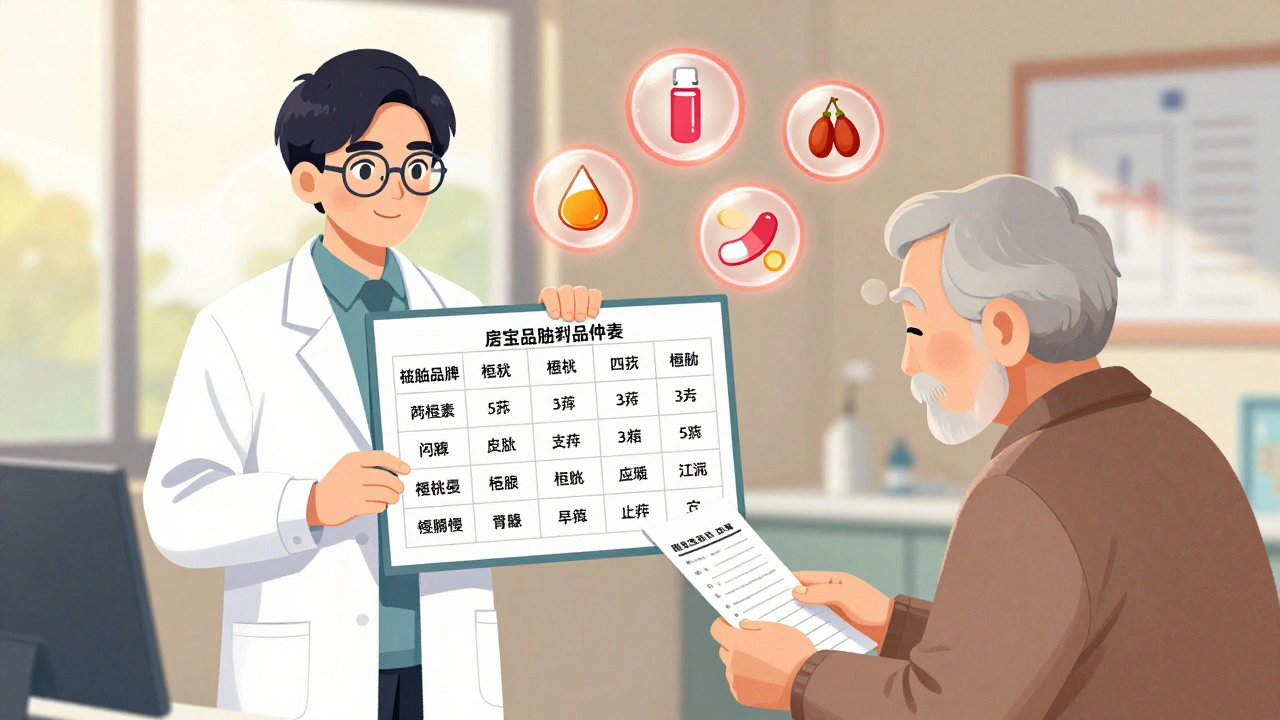
The Bigger Picture: Cost vs. Care
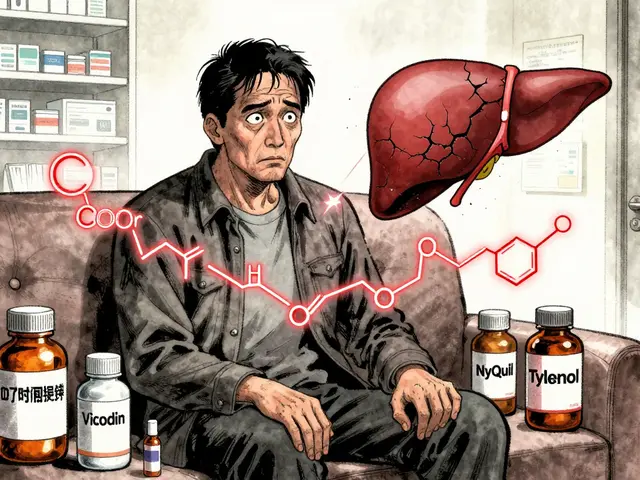
The generic drug market is worth $61.7 billion and serves over 65 million Medicare beneficiaries. Savings are real. But savings shouldn’t come at the cost of safety. The Congressional Budget Office predicts 93.5% of Medicare prescriptions will be generic by 2030. That’s great-if patients stay adherent. Right now, noncompliance among seniors ranges from 21% to 55%. That’s not because they’re stubborn. It’s because they’re confused, scared, or not properly supported. The National Action Plan for Adverse Drug Event Prevention (2024) now targets NSAID-related harm-15.4% of all ADEs in seniors. That’s more than anticoagulants. And many of these come from OTC painkillers like ibuprofen and acetaminophen, often taken in dangerous combinations because patients don’t know what’s in them. Future research is underway. Three NIH trials are currently studying brand vs. generic outcomes in seniors with multiple chronic conditions. Until those results come in, we can’t say for sure whether differences are clinically meaningful. But we already know enough to act carefully.What Seniors and Families Should Do
- Ask: “Is this a generic? Is it safe to switch?” Don’t assume.
- Keep a list of all meds-name, dose, reason, and appearance. Update it every time something changes.
- Watch for new symptoms after a switch: fatigue, dizziness, confusion, weight change.
- Use a pill organizer with clear labels. Don’t rely on memory.
- Bring your pill bottles to every doctor visit-even the empty ones.
- If you feel worse after a switch, don’t wait. Call your doctor or pharmacist.
What Providers Should Do
- Don’t auto-switch high-risk drugs like warfarin or levothyroxine without discussion and monitoring.
- Use visual aids to show the difference between brand and generic pills.
- Apply the teach-back method. Make sure the patient can explain their meds in their own words.
- Partner with pharmacists. They’re your best ally in preventing ADEs.
- Check for polypharmacy regularly. Use tools like the Beers Criteria or STOPP/START guidelines.
Switching to generics isn’t a bad idea. It’s a smart financial move. But for elderly patients, it’s also a medical intervention. It needs the same care, attention, and follow-up as any other treatment change. Savings matter. But so does safety. And sometimes, the cheapest option isn’t the safest one-if it’s not handled right.
Are generic drugs really as safe as brand-name drugs for elderly patients?
Yes, for most medications, generics are just as safe and effective as brand-name drugs. The FDA requires them to have the same active ingredient, strength, and bioequivalence. But for certain high-risk drugs-like warfarin, levothyroxine, or lithium-small differences in how the drug is absorbed can matter more in older adults due to slower metabolism and tighter therapeutic windows. Close monitoring is needed after switching these.
Why do some elderly patients feel worse after switching to generics?
Patients often report feeling worse not because the medicine is different, but because of changes in pill appearance, size, or color. This can trigger anxiety or confusion, especially in those with low health literacy. In some cases, like levothyroxine, small differences in inactive ingredients may affect absorption in sensitive individuals. Studies show 73% of seniors on Reddit reported symptom return after switching from Synthroid to generic-though clinical trials haven’t confirmed a consistent biological cause.
Which medications should not be switched to generics in elderly patients?
The American Geriatrics Society advises caution with narrow therapeutic index drugs: warfarin, levothyroxine, phenytoin, lithium, and some seizure medications. Automatic substitution without monitoring is not recommended. For these, stability on the original brand should be maintained unless there’s a strong reason to switch-and even then, close lab tests (like INR or TSH) must follow.
How can families help elderly relatives safely switch to generics?
Keep a written list of all medications, including how each pill looks. When a switch happens, compare the old and new pills side by side. Ask the pharmacist to explain the change. Watch for new symptoms like fatigue, confusion, or dizziness. Use a pill organizer with clear labels. If something feels off, don’t wait-contact the doctor or pharmacist right away.
Does insurance or Medicare force seniors to switch to generics?
Medicare Part D plans often require patients to try generics first before covering brand-name drugs. But they can’t force a switch if the doctor writes a “medical necessity” exception. If a senior is stable on a brand-name drug, the prescriber can request the plan to cover it anyway. Patients should always ask their pharmacist or plan representative about exceptions.
What’s the best way to check if a generic is working properly?
For chronic conditions like high blood pressure, diabetes, or thyroid disease, regular lab tests are key. After switching to a generic, ask your doctor to recheck your numbers-TSH for thyroid, INR for warfarin, HbA1c for diabetes-within 4 to 8 weeks. If your symptoms change or your lab values drift, the switch may be the cause. Don’t assume it’s just aging.
For seniors, medication isn’t just about taking a pill. It’s about trust, understanding, and support. Generics can save money and still be safe-but only if the system doesn’t leave them behind.





I've seen this with my grandma. She switched from Synthroid to generic and started zoning out at dinner, forgetting her own birthday. Took three months and a tearful phone call for her daughter to push back. Now she's back on brand and actually remembers who I am. Not saying generics are bad, but don't just swap and forget.
Old folks aren't stubborn. They're just tired of being treated like numbers on a spreadsheet.
The FDA bioequivalence standard of 80-125% is insufficient for narrow therapeutic index drugs in elderly populations. Clinical outcomes must be prioritized over cost metrics.
My uncle took a generic version of his blood pressure med and ended up in the ER. He didn't even know it had changed. The pharmacy didn't tell him. The doctor didn't check in. Just a new pill, same bottle. That's not healthcare. That's gambling with someone's life.
This is why America's healthcare system is broken. We're cutting corners on seniors so CEOs can get bonuses. If this was happening to rich people, they'd be using the same brand forever. But poor folks? Just swallow the white pill and shut up.
You're not alone. My mom had the same thing happen with levothyroxine. We caught it because she started dozing off in the middle of her favorite TV show. Don't wait for a crisis. Ask for the lab test. Keep the pill bottle. Say no if it feels wrong.
Pharmacists are the real MVPs here. I work at a community pharmacy and we do pill comparisons with every switch. We print out side-by-side pics of brand vs generic. We ask patients to describe how they feel. Simple stuff. But it saves lives. If your doc doesn't talk to your pharmacist, ask them to.
This is precisely why Western medicine is in decline. In India, we know generics work because we've used them for decades. You Americans overthink everything. If the active ingredient is the same, it's the same. Stop being paranoid. Your elders are fine.
The 73% Reddit statistic is meaningless without a control group. Anecdotes are not data. The FDA's bioequivalence criteria are validated across 12,000+ studies. Any perceived difference is likely nocebo effect amplified by media sensationalism and poor health literacy.
It is my professional observation that the transition from branded pharmaceuticals to generic alternatives, particularly within geriatric populations, necessitates a structured, multidisciplinary approach involving primary care providers, clinical pharmacists, and patient advocates. The implications are both clinical and psychosocial.
Actually I think generics are worse and everyone's just too scared to say it. My aunt died after switching. They said it was heart failure but she was fine on the brand. Coincidence? Maybe. But I'm not taking any chances. I buy my meds off a guy in Mexico now. At least I know what's in them
One thing I wish more people knew: if your grandma feels weird after a switch, it's not just 'getting older.' It's your signal to act. Write down the date, the pill color, the symptoms. Bring it to the pharmacy. You're not being difficult. You're being her voice.
I swear my grandpa thinks the generic is magic. He won't take it because it's not blue anymore. I told him it's the same medicine. He said, 'But it's not my medicine.' And honestly? I don't blame him.