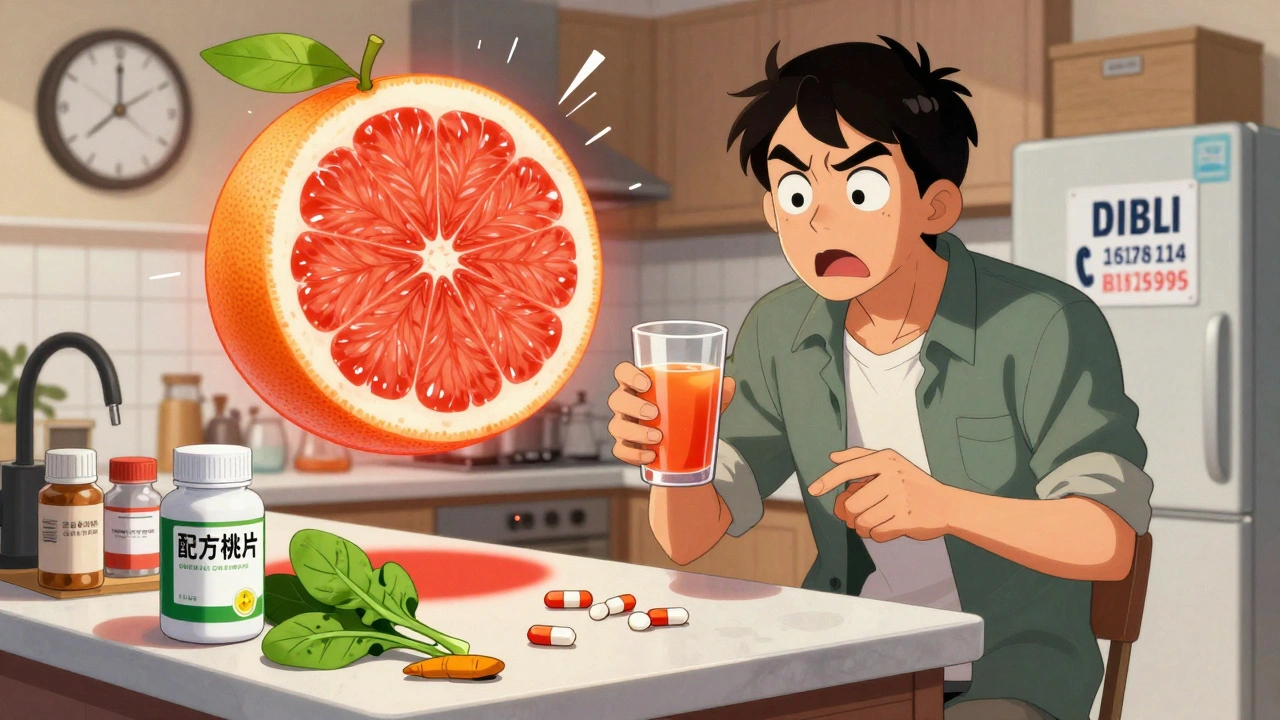
It’s not just about what you take-it’s what you take with. A glass of grapefruit juice. A daily turmeric capsule. A handful of spinach with breakfast. These might seem harmless, even healthy. But if you’re on medication, they could be quietly sabotaging your treatment-or worse, putting you in the hospital.
Why Drug Interactions Are More Common Than You Think
You’re not imagining it. More people than ever are mixing medications with food and supplements. About 40% of American adults take dietary supplements, and nearly everyone takes at least one prescription drug. The problem? Most people don’t realize these things interact. A 2022 study in the Journal of the American Medical Association found that drug interactions contribute to 3-5% of all hospital admissions. That’s hundreds of thousands of preventable trips to the ER every year. Interactions happen in two main ways: pharmacodynamic and pharmacokinetic. Pharmacodynamic means two substances work against or amplify each other in your body. For example, if you take hawthorn (a popular heart supplement) with digoxin (a heart medication), they both strengthen your heartbeat-too much, and you risk dangerous arrhythmias. Pharmacokinetic is about how your body processes the drug. This is where your liver comes in. The CYP3A4 enzyme system handles about half of all prescription medications. When something like St. John’s wort triggers this enzyme, it speeds up drug breakdown, leaving you with less medicine in your bloodstream than you need.Grapefruit: The Silent Killer in Your Fruit Bowl
Grapefruit isn’t just a tangy breakfast addition-it’s one of the most dangerous food-drug combinations out there. Its furanocoumarins block the enzyme in your gut that normally breaks down certain drugs before they enter your bloodstream. The result? Your body absorbs way more than intended. Take simvastatin, a common cholesterol-lowering statin. Normally, your body breaks down most of it before it gets into your blood. But with grapefruit, absorption can jump by up to 15 times. That spikes your risk of rhabdomyolysis-a condition where muscle tissue breaks down and floods your kidneys with toxic proteins. The rate jumps from 0.15 cases per 100,000 people per year to 1.57. That’s a tenfold increase. And it’s not just simvastatin. Atorvastatin, felodipine, cyclosporine, and even some anti-anxiety meds like buspirone are affected. One glass of juice is enough. No amount of time between drinking and taking your pill makes it safe.Leafy Greens and Blood Thinners: A Dangerous Balance
Warfarin (Coumadin) is one of the most commonly prescribed blood thinners. It works by blocking vitamin K, which your body needs to form clots. So if you suddenly eat a lot of vitamin K-rich foods-like spinach, kale, broccoli, or Brussels sprouts-you’re undoing the drug’s effect. A 2018 study showed that eating just 150 grams of cooked spinach (about a cup and a half) can cut warfarin’s effectiveness by 30-40% within 24 hours. That means your blood clots faster, raising your risk of stroke or heart attack. But here’s the twist: you don’t need to avoid these foods entirely. The key is consistency. If you normally eat spinach every day, keep doing it. If you rarely eat it, don’t start suddenly. The American Heart Association recommends sticking to a steady intake-90 micrograms of vitamin K per day for women, 120 for men. That’s about one serving of cooked greens daily. Your doctor can adjust your warfarin dose based on your routine, not your panic.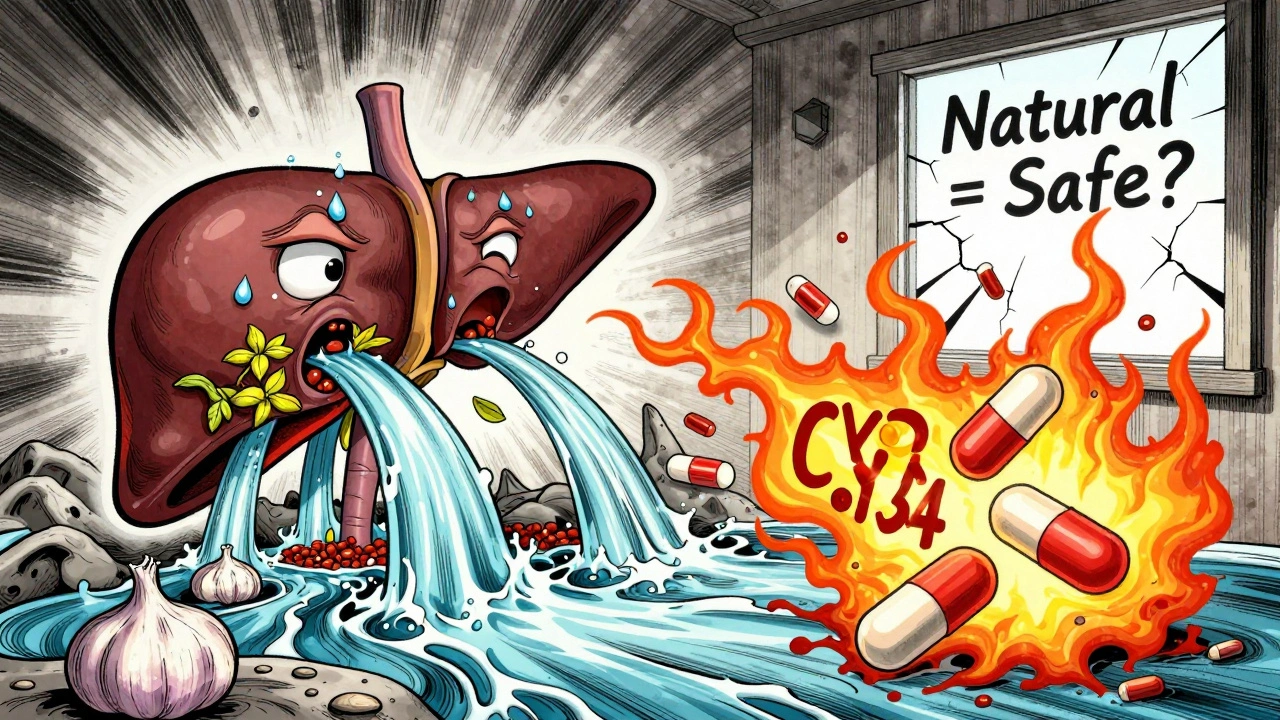
St. John’s Wort: The Supplement That Breaks Everything
St. John’s wort is marketed as a natural remedy for mild depression. But it’s one of the most dangerous supplements on the market. It strongly activates the CYP3A4 enzyme, which means it speeds up the breakdown of dozens of medications. In just two weeks, it can slash blood levels of cyclosporine-used after organ transplants-by 50-70%. That’s not a small drop. It’s a rejection risk. The same thing happens with oral contraceptives: studies show unintended pregnancy rates jump by 50-70% when taken with St. John’s wort. It doesn’t stop there. It also reduces the effectiveness of HIV medications like protease inhibitors by 40-80%, leading to drug resistance. It can interfere with antidepressants, causing serotonin syndrome-a rare but deadly condition with symptoms like high fever, muscle stiffness, confusion, and rapid heart rate. One case report described a patient who developed serotonin syndrome after combining St. John’s wort with sertraline. He ended up in the ICU. The FDA and Cleveland Clinic both list it as a top-tier interaction risk. If you’re on any prescription medication, don’t touch this supplement without talking to your doctor.Other High-Risk Supplements You Might Not Suspect
Garlic supplements. Ginkgo biloba. Coenzyme Q10. Red yeast rice. These are all sold as “natural” or “safe,” but they carry real risks. Garlic and ginkgo both thin the blood. When taken with warfarin, aspirin, or clopidogrel, they increase bleeding risk. A 2001 study documented 32 cases of uncontrolled bleeding linked to garlic supplements. Ginkgo can prolong bleeding time by 30-50% and raise the chance of brain hemorrhage by 1.7 times. Red yeast rice is especially sneaky. It contains monacolin K-the same active ingredient as lovastatin, a prescription statin. If you’re already taking a statin like atorvastatin or rosuvastatin, adding red yeast rice doubles your risk of muscle damage (myopathy). One 2017 study found it increased myopathy risk by 2.3 times. Coenzyme Q10 is often taken for heart health or energy. But it may reduce the effectiveness of statins by competing for the same metabolic pathway. You might think you’re helping your heart-when you’re actually undoing your medication.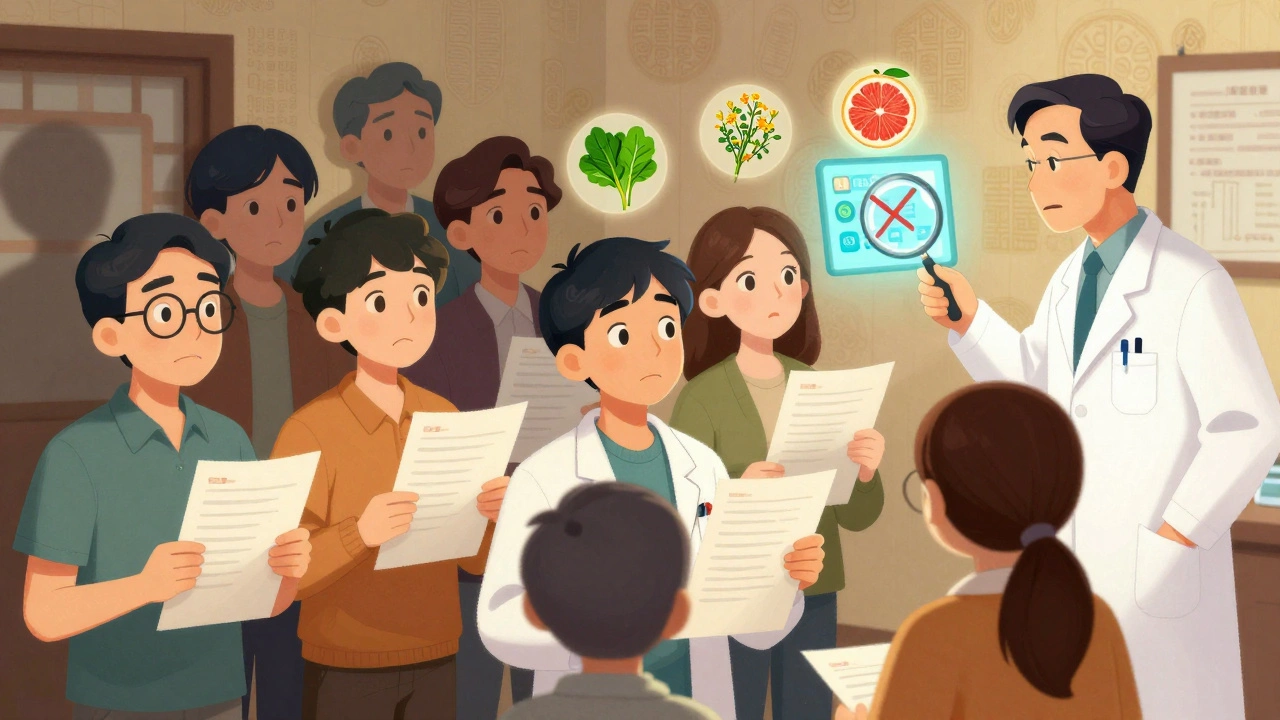
What You Can Do Right Now
The biggest danger isn’t the interaction itself-it’s the silence around it. A 2022 editorial in JAMA Internal Medicine found that 70% of patients never tell their doctor they’re taking supplements. That’s not negligence. It’s misinformation. Most people assume “natural” means “safe with everything.” It doesn’t. Here’s what you can do today:- Make a complete list of everything you take: prescriptions, over-the-counter meds, vitamins, herbs, teas, and even CBD or melatonin.
- Bring that list to every doctor’s appointment-even if you’re there for a cold.
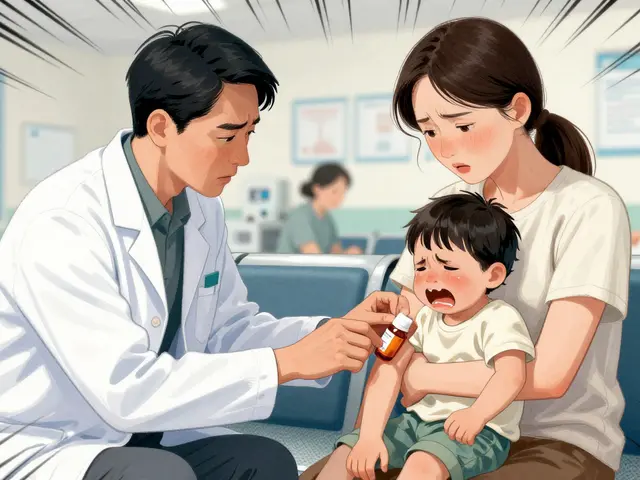
- Ask your pharmacist: “Does this interact with anything else I’m taking?” Pharmacists are trained to catch these things. A 2022 study showed pharmacist-led reviews reduce adverse events by 22%.
- Use free tools like MedlinePlus’s drug interaction checker or the LiverTox database from the NIH. They’re reliable, updated, and don’t cost a cent.
- If you’re on warfarin, keep your vitamin K intake steady. Don’t cut out greens-just keep them consistent.
- Never start a new supplement without checking with your prescriber. Even “harmless” ones like fish oil or magnesium can interfere with kidney or heart meds.
Why This Matters More Than Ever
The problem is growing. Between 2004 and 2013, reports of supplement-related adverse events jumped 45%. The FDA says 23% of serious cases involve interactions. And only 29% of supplement labels warn about them. Prescription drugs? 100% do. The cost? $177 billion a year in preventable healthcare spending, according to Dr. Michael Cohen of the Institute for Safe Medication Practices. That’s not just money-it’s lives. The Institute of Medicine estimates 1.5 million preventable injuries happen every year because of these kinds of interactions. But there’s hope. New AI tools like IBM Watson Health are analyzing millions of clinical notes to predict unknown interactions. Electronic health records now flag high-risk combinations before a doctor even prescribes. And more patients are asking questions-61% now check for interactions before buying supplements, up from 43% in 2018. The message is clear: your health isn’t just about what’s in your medicine cabinet. It’s about what’s on your plate, in your pill organizer, and in your daily routine. Don’t assume safety. Ask. Check. Double-check.Can I still drink grapefruit juice if I take a statin?
No. Grapefruit juice can increase statin levels by up to 15 times, raising your risk of severe muscle damage and kidney failure. Even a single glass can cause this effect. Switch to orange juice or water instead. If you love grapefruit, talk to your doctor about switching to a statin that doesn’t interact-like pravastatin or rosuvastatin.
Is St. John’s wort safe for depression if I’m not on other meds?
Even if you’re not on other medications, St. John’s wort isn’t risk-free. It can cause sun sensitivity, anxiety, insomnia, and digestive issues. It’s not regulated like prescription drugs, so potency varies wildly between brands. For mild depression, proven options like cognitive behavioral therapy or SSRIs under medical supervision are safer and more reliable.
Do all supplements interact with medications?
No, but many do-and you won’t always know which ones. Common culprits include herbs like ginkgo, garlic, echinacea, and black cohosh, plus vitamins like K and E. Even calcium and iron supplements can bind to antibiotics like tetracycline and reduce absorption. Always assume a supplement could interact until proven otherwise.
Can I just stop my medication if I want to take a supplement?
Never stop a prescription medication without talking to your doctor. Stopping blood pressure meds, antidepressants, or anticoagulants suddenly can cause dangerous rebound effects-like stroke, heart attack, or severe depression. If you want to try a supplement, discuss it first. Your doctor can help you adjust safely.
How do I know if I’m having a drug interaction?
Symptoms vary depending on the interaction. Watch for sudden changes: unexplained bruising or bleeding (blood thinners), muscle pain or weakness (statins), dizziness or rapid heartbeat (heart meds), confusion or fever (serotonin syndrome), or a sudden return of symptoms like high blood pressure or cholesterol. If something feels off after starting a new supplement or changing your diet, contact your doctor immediately.





It’s wild how we treat food like it’s harmless but pills like they’re sacred. Your body doesn’t care if it’s a pill or a grapefruit-it just sees chemicals. And if you’re not thinking about how they talk to each other, you’re basically playing Russian roulette with your liver.
People still take St. John’s wort? 😑
Pharmacokinetic interactions are the silent killers here. CYP3A4 is the most common metabolic pathway for drugs-over 50% of prescriptions pass through it. When something like St. John’s wort induces it, you get subtherapeutic plasma concentrations. That’s not just ‘less effective’-it’s therapeutic failure with clinical consequences. And most patients have zero awareness. This is why pharmacist-led medication therapy management is critical in outpatient settings.
Why do Americans think everything natural is safe?? In India we know turmeric is medicine not snack and we don’t mix it with warfarin without doctor!! You people buy supplements like candy then wonder why you end up in ER??
I’m so glad this post exists. I used to take ginkgo because I thought it helped my memory, never realizing it was making my blood thinner than my morning coffee. I ended up with a hematoma on my thigh from a minor bump. I didn’t connect the dots until my pharmacist asked me what supplements I was on. I thought she was being overcautious. Turns out she saved me from a stroke. Now I keep a printed list of everything I take-prescriptions, teas, even my magnesium gummies-and I show it to every provider. It’s a habit now. If you’re reading this and you’re on meds? Do the same. It’s not paranoid-it’s practical.
It’s not about fear it’s about awareness. We live in a world where we’re told to ‘listen to your body’ but nobody teaches you how to listen to the conversation between your meds and your morning smoothie. The body isn’t a machine with separate compartments-it’s a conversation. And if you don’t know what’s being said, you’re just guessing
Just found out my fish oil interacts with my blood pressure med 🤯 I’ve been taking it for years. Time to check everything. Thanks for the wake-up call 👍
Another alarmist article. Most people don’t even take supplements. Why are we acting like this is a national crisis? You could die from eating too much salt or not sleeping. But nobody writes 2000 words about that. This is fearmongering dressed as education.
Ugh. I took St. John’s wort for 3 months. Got sunburned just standing outside. Then I got panic attacks. I thought I was ‘spiritually awakening’ 😭 Turns out it was the supplement. Now I just do yoga. And I don’t trust ‘natural’ anymore. 🙄
It’s not just the supplements-it’s the complete lack of basic pharmacological literacy in the general population. You wouldn’t pour bleach into your gas tank and wonder why your car won’t start. Yet people casually combine botanicals with SSRIs like it’s a smoothie recipe. This isn’t ignorance-it’s willful negligence masked as ‘holistic living.’
Make a list. Show your doctor. Ask your pharmacist. Do it today. It’s that simple.
It’s funny how we think we’re in control. We take pills like they’re magic bullets, then we pop herbs like they’re candy. But the body doesn’t care about your intentions. It only cares about chemistry. And if you’re not paying attention to the math, you’re not healing-you’re gambling. And the house always wins. We’ve outsourced our health to pills and supplements and forgotten that the body already knows how to heal. We just have to stop interfering with it.