
You pour a glass of wine or crack open a beer to unwind before bed. It feels like the perfect way to drift off quickly. But while that drink might help you lose consciousness faster, it is actively sabotaging your brain’s ability to rest. Alcohol is a central nervous system depressant that significantly disrupts sleep architecture, leading to fragmentation, increased risk of sleep apnea, and impaired next-day cognitive function. Despite the common belief that alcohol acts as a sedative, scientific evidence shows it creates a chaotic sleep environment that leaves you feeling unrefreshed, even if you slept for eight hours.
The relationship between drinking and sleeping is not linear. It follows a dangerous biphasic pattern. First, alcohol pushes you into deep sleep prematurely. Then, as your body metabolizes the substance, it triggers a rebound effect that shatters your rest in the second half of the night. This article breaks down exactly what happens to your physiology, why you wake up tired, and how this cycle impacts long-term health.
The Biphasic Trap: Initial Sedation vs. Later Disruption
When you consume alcohol close to bedtime, you experience a dose-dependent sedating effect. A study published in Substance Abuse (Thakkar et al., 2005) highlights that moderate consumption-roughly two to three standard drinks-can decrease sleep latency, meaning you fall asleep faster. This initial phase boosts non-rapid eye movement (NREM) sleep, specifically Stage N3, which is known as deep slow-wave sleep.
However, this boost comes with a heavy price tag. Your liver processes alcohol at a rate of approximately one standard drink per hour. If you have five drinks at 10 p.m., your blood alcohol concentration drops near zero by 3 a.m. As the alcohol leaves your system, your brain experiences a "rebound arousal." Instead of smooth, continuous rest, you face increased wakefulness and sleep fragmentation during the latter part of the night. Research from the University of Missouri School of Medicine (Thakkar, 2023) showed that after a single binge episode, subjects experienced a 40-60% increase in wakefulness during their normal sleep period later on. You are essentially borrowing sleep quality from the morning and paying it back with interest in exhaustion.
REM Sleep Suppression and Emotional Instability
REM sleep is the rapid eye movement stage of sleep critical for memory consolidation, emotional processing, and neural connection strengthening. Alcohol severely delays or eliminates this stage during the first half of the night. According to the National Council on Aging (2023), REM deprivation is linked to decreased creativity, emotional instability, and reduced longevity.
Here is the catch: your body tries to compensate. In the second half of the night, as the alcohol wears off, you may experience a "REM rebound." This manifests as intense dreaming, vivid nightmares, or restless tossing and turning. Polysomnographic studies show up to a 50% reduction in REM sleep early in the night, followed by a 20-30% increase later. While it sounds like you are getting your REM sleep back, the timing is wrong. The fragmented nature of this late-night REM does not provide the same restorative benefits as natural, uninterrupted cycles. The result is a night where your brain struggles to process emotions and memories effectively.
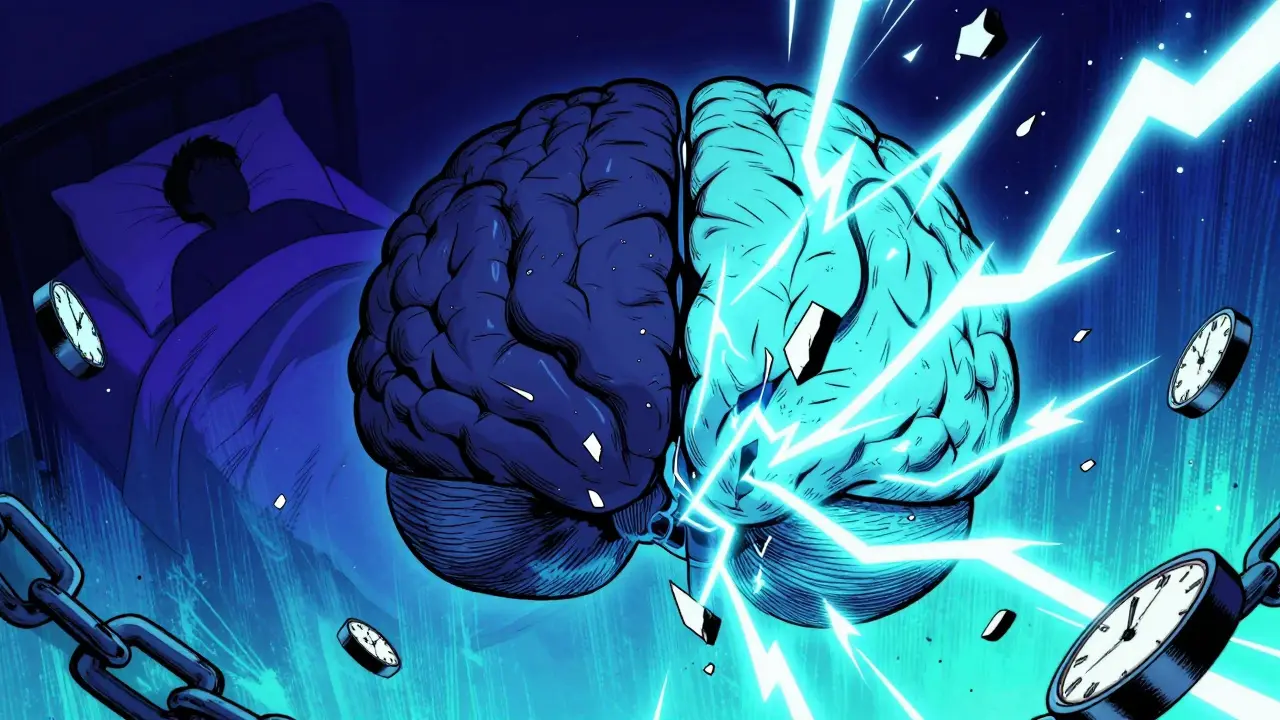
Sleep Apnea and Airway Relaxation
If you snore or have been diagnosed with Obstructive Sleep Apnea (OSA) is a disorder characterized by repeated pauses in breathing during sleep due to airway obstruction, alcohol is particularly dangerous. OSA occurs when the muscles in your upper airway relax too much, blocking airflow. Alcohol exacerbates this by further relaxing these throat muscles.
The data is stark. A study by the American Academy of Sleep Medicine (2021) found that each standard drink consumed before bedtime increases the Apnea-Hypopnea Index (AHI)-a measure of apnea severity-by 20%. For individuals with existing conditions, this can be life-threatening. A 2022 meta-analysis in Chest Journal reported that consuming 2-4 drinks daily increases the risk of moderate-to-severe OSA by 25%, while heavy consumption (5+ drinks) raises that risk by 51%. The American Thoracic Society recommends complete avoidance of alcohol within three hours of bedtime for those with sleep apnea, as even moderate intake can reduce oxygen saturation by 3-5 percentage points during sleep events.
Next-Day Cognitive and Physical Effects
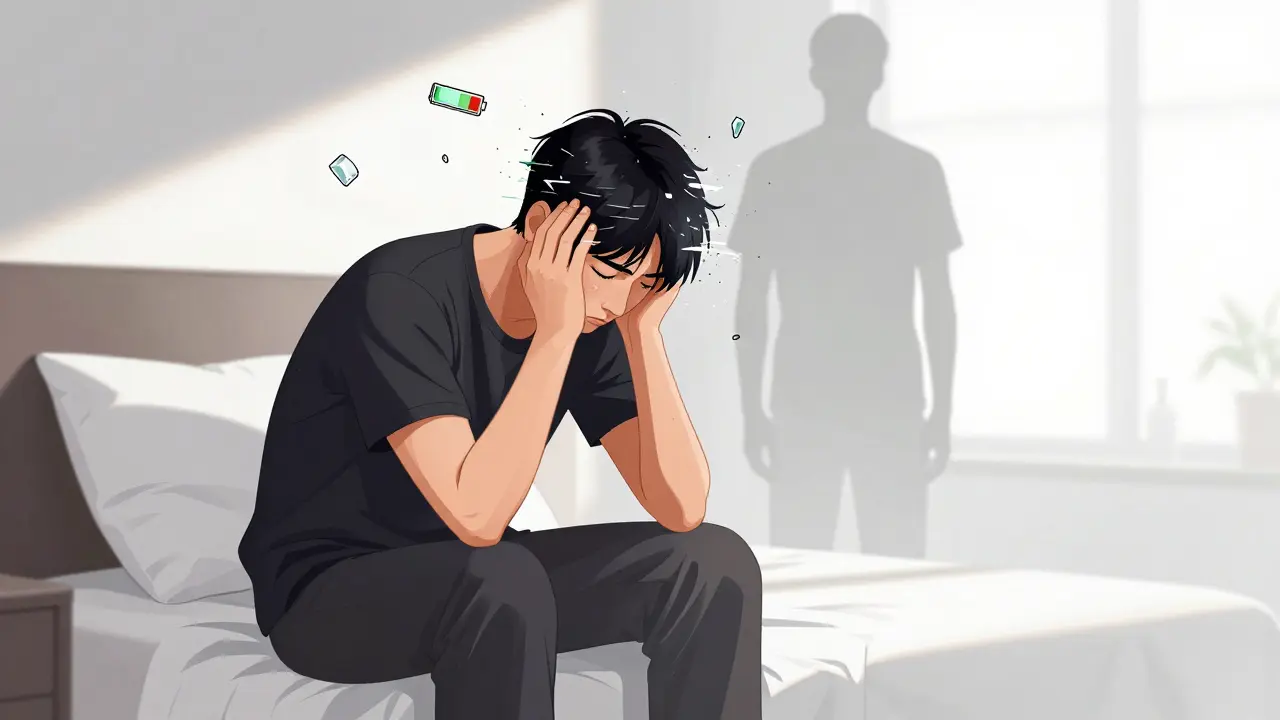
You might think that if you slept for seven hours, you should feel fine the next day. You would be wrong. The quality of that sleep matters more than the quantity. A 2023 study in Alcoholism: Clinical and Experimental Research found that alcohol consumption reduced total sleep time by 19.2 minutes and sleep efficiency by 4.3%. More importantly, it increased nocturnal heart rate by 6.7 beats per minute, keeping your body in a state of physiological stress.
The cognitive fallout is significant but often underestimated because people adapt to their impairment. The same study noted an 8.7% drop in cognitive task performance the morning after drinking. Another study in the Journal of Clinical Sleep Medicine (2022) found that alcohol-induced sleep results in 15.3% less slow-wave sleep, leading to a 12.7% decrease in processing speed and a 9.4% drop in working memory capacity. You are driving, working, and interacting with others while operating at a deficit.
Emotional regulation also suffers. Research from the University of Pittsburgh Medical Center (2022) demonstrated that participants showed 31.2% greater emotional reactivity to negative stimuli after a night of alcohol-consumption sleep. This explains why you might feel irritable, anxious, or overly sensitive the day after a nightcap. Your brain hasn’t had the chance to properly regulate stress hormones.
The Cycle of Dependence and Tolerance
There is a vicious cycle at play here. Sleep deprivation following binge drinking increases the urge to consume more alcohol to initiate sleep. The University of Missouri research (Thakkar, 2023) highlighted this mechanism as a potential driver for alcohol dependence. Over time, tolerance develops. After 3-9 days of regular use, the body normalizes some polysomnographic changes, but the underlying damage to sleep homeostasis remains.
Adenosine, a chemical that builds up during wakefulness to promote sleep, is disrupted by alcohol. Normally, adenosine accumulates to signal tiredness. Binge drinking impairs this natural process. Mouse studies showed that post-binge subjects failed to experience the expected increase in adenosine during subsequent sleep deprivation, breaking the natural feedback loop that tells us when we need rest. This leads to chronic insomnia symptoms, with a 2023 study in Sleep Medicine Reviews documenting a 38% increased risk of chronic insomnia among regular pre-bed drinkers.
| Metric | Effect of Alcohol | Data Source / Context |
|---|---|---|
| Sleep Latency | Decreases (Faster onset) | Initial sedative effect (Thakkar et al., 2005) |
| REM Sleep (First Half) | Reduced by up to 50% | Polysomnographic evidence |
| Sleep Efficiency | Reduced by 4.3% | Alcoholism: Clinical and Exp. Research (2023) |
| Apnea Severity (AHI) | Increased by 20% per drink | American Academy of Sleep Medicine (2021) |
| Next-Day Processing Speed | Decreased by 12.7% | Journal of Clinical Sleep Medicine (2022) |
Practical Steps for Better Sleep Hygiene
If you enjoy drinking, you don’t necessarily have to quit entirely, but you must change when you drink. The goal is to allow your body to metabolize the alcohol before you enter the critical REM-heavy phases of the night.
- The Three-Hour Rule: Stop consuming alcohol at least three hours before bedtime. This allows blood alcohol levels to drop significantly, reducing the risk of airway relaxation and second-half fragmentation.
- Hydrate Aggressively: Alcohol is a diuretic. Dehydration worsens sleep quality and headaches. Drink a full glass of water for every alcoholic beverage.
- Monitor Snoring: If you notice increased snoring or gasping after drinking, assume you have undiagnosed sleep apnea. Consult a specialist immediately.
- Limit Dose: Stick to one standard drink maximum. Even one drink reduces REM sleep by 9.3% according to the European Sleep Research Society (2021).
- Recovery Period: If you have been drinking heavily, understand that sleep architecture takes 3-6 months to normalize after cessation. Be patient during recovery.
Does a nightcap actually help you sleep better?
No. A 2023 meta-analysis in Addiction Biology confirmed that all objective sleep measures deteriorate following alcohol consumption. While it may help you fall asleep faster, it fragments your sleep later in the night, reduces restorative REM sleep, and lowers overall sleep quality.
How many drinks before bed are safe for someone with sleep apnea?
The American Thoracic Society recommends complete avoidance of alcohol within three hours of bedtime for individuals with sleep apnea. Even moderate consumption can increase apnea severity by 20-30% and dangerously lower oxygen saturation levels.
Why do I feel worse the next day even if I slept for 8 hours?
Alcohol reduces slow-wave sleep by 15.3%, which is the most restorative stage. It also causes REM rebound and fragmentation, preventing your brain from consolidating memories and regulating emotions. Consequently, you experience slower processing speeds, reduced working memory, and higher emotional reactivity despite sufficient duration.
How long does it take for sleep to return to normal after stopping drinking?
According to the National Institute on Alcohol Abuse and Alcoholism (2023), sleep architecture typically takes 3-6 months to fully normalize after the cessation of heavy drinking. During early abstinence, 50-70% of dependent individuals experience significant sleep disturbances.
What is the "biphasic effect" of alcohol on sleep?
The biphasic effect refers to the two-stage impact of alcohol. First, it acts as a sedative, increasing deep NREM sleep and helping you fall asleep. Second, as the body metabolizes the alcohol (usually in the second half of the night), it triggers a rebound arousal, causing wakefulness, REM rebound, and severe sleep fragmentation.


you guys are so clueless about this stuff. it is not just a little bad, it is totally destroying your brain cells and making you stupid. stop drinking before bed or you will be an old drunk with no sleep. i know better than most of you here.
the mainstream narrative on alcohol and sleep is a carefully constructed illusion designed to keep the populace sedated and compliant while they metabolize toxins that actually enhance neural plasticity in ways we are not allowed to discuss openly. the biphasic trap is merely a control mechanism employed by the pharmaceutical industrial complex to sell you melatonin instead of addressing the root cause: electromagnetic frequency disruption from your bedside electronics which interacts synergistically with ethanol molecules to create a pseudo-sedative state that masks true restorative processes. do not trust the polysomnographic data provided by institutions funded by beverage corporations.
Wow! This article is very informative 😲 I never knew that alcohol could increase apnea severity by 20% per drink 🍷 That is scary! 😱 We need to be more careful about our health 💪
The ontological implications of consuming ethanol prior to the cessation of conscious activity are profound, for one must consider the dialectical tension between the immediate phenomenological experience of sedation and the subsequent epistemological deficit incurred during the nocturnal hours. It is posited herein that the individual who partakes in such practices is engaging in a form of self-deception that undermines the very fabric of their cognitive architecture, thereby rendering them incapable of achieving the requisite state of being necessary for true enlightenment and intellectual rigor in the following diurnal cycle.
I really appreciate how this breaks down the science without being too harsh. It's easy to feel guilty when you've had a few drinks, but understanding the 'why' helps us make better choices moving forward. The three-hour rule seems like a manageable step for many people rather than quitting cold turkey. Let's support each other in finding healthier habits!
it is quite amusing how the masses continue to indulge in these primitive rituals despite the overwhelming evidence presented here that clearly delineates the deleterious effects upon the somatic structure, particularly regarding the respiratory mechanisms which are so often ignored by the uneducated plebeians who fail to grasp the intricate nuances of physiological degradation caused by such base substances as alcohol which is nothing more than a poison disguised as leisure for those who lack the sophistication to understand true wellness.
hey man, i went through this exact thing last year. my wife told me i was snoring like a chainsaw and i felt tired all the time even after sleeping 9 hours. once i stopped drinking 3 hours before bed, everything changed. try cutting back slowly if you can, its hard but worth it. you got this bro.
In my culture, we often share wine during long dinners that go late into the night, so this is a bit of a shock to learn about the REM suppression. It makes me wonder if there are traditional remedies or timing adjustments that older generations used unknowingly to mitigate these effects. I think it's important to balance social connection with health awareness, perhaps shifting our evening gatherings earlier?
You are absolutely wrong if you think one drink is okay!!! It is NEVER okay!!! You are ruining your life!!! Stop it right now!!! Do not listen to the lies!!! Wake up!!!
It is truly fascinating how the body reacts to such external stimuli; one must consider the holistic impact on the spirit as well as the physical vessel. In our traditions, we emphasize balance, and perhaps the key lies not in total abstinence but in mindful consumption and deep respect for the natural rhythms of the day and night cycle which governs our existence.
I find it utterly preposterous that anyone would still question the validity of these findings given the sheer volume of data presented. It is simply pathetic that society continues to glorify intoxication while ignoring the catastrophic decline in cognitive function and emotional stability that follows. One must elevate their standards and refuse to participate in such barbaric customs.
The way alcohol paints our nights in shades of fragmented gray is truly poetic yet tragic. We chase the velvet curtain of sleep only to have it torn apart by the jagged edges of rebound arousal. It is a beautiful metaphor for how we sabotage our own peace, trading the vibrant colors of restorative dreams for the dull haze of exhaustion.
Just cut out the booze before bed! Seriously! It ruins everything! Get some water instead! You will feel amazing! Trust me!
Look, folks, the bio-mechanical interplay between ethanol ingestion and circadian rhythm disruption is pretty wild when you break it down. But hey, don't let the jargon scare you off. Just remember that your body is an amazing machine and treating it with respect means giving it the clean fuel it needs to recharge properly. You're doing great by even reading this!
This is exactly what happens when you let the globalist agenda push these anti-freedom narratives on us. They want you weak and tired so you can't fight back against the real enemies. Alcohol is a freedom drug and they are trying to ban it under the guise of health. Wake up sheeple!