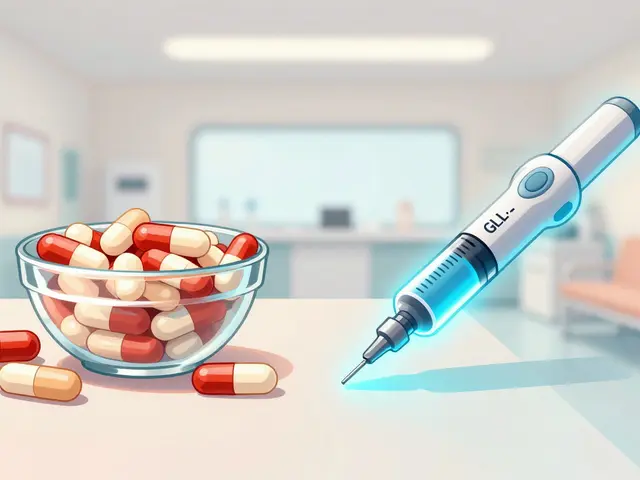
For years, the conversation around medical weight loss was mostly about appetite suppressants and pills that stopped you from absorbing fat. They worked for some, but for many, the results were modest and the side effects were frustrating. Then came the GLP-1 revolution. Suddenly, headlines were filled with stories of people losing 15% to 20% of their body weight with a once-weekly shot. But are these new-age drugs always the right choice, or do the older options still have a place in a weight management plan?
The New Powerhouses: How GLP-1 Agonists Work
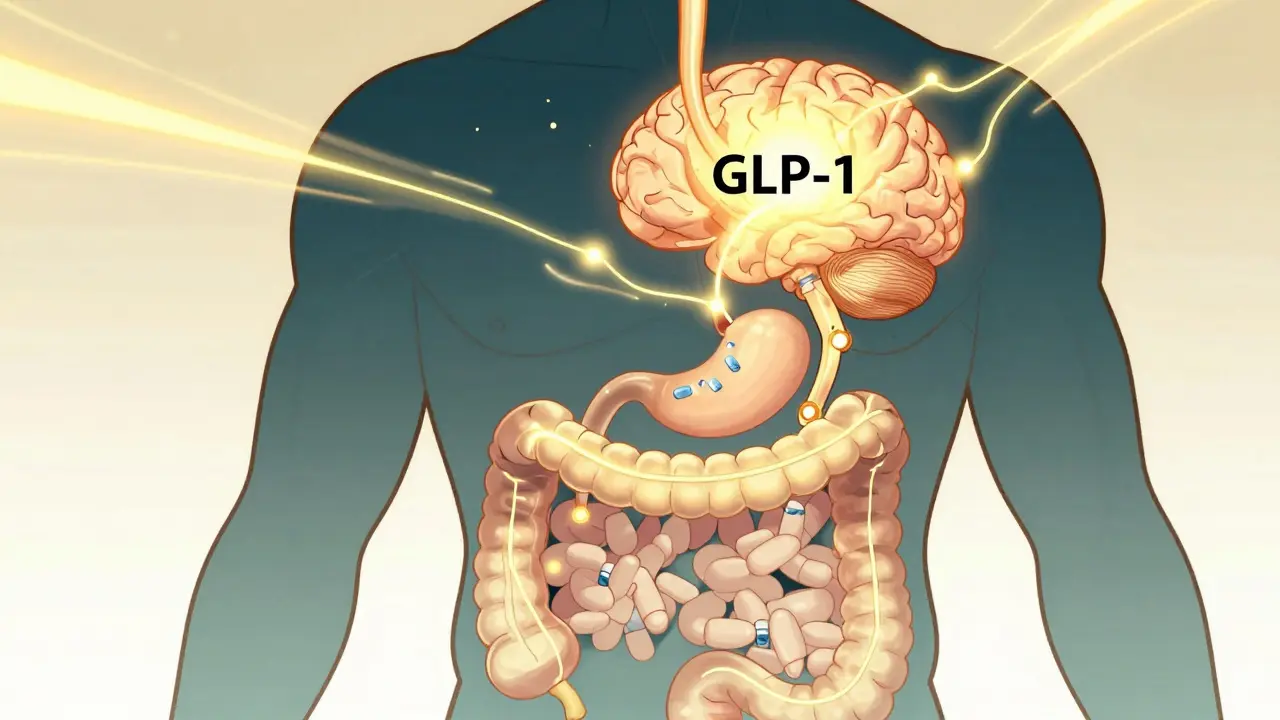
If you've heard of Semaglutide is a GLP-1 receptor agonist that mimics a natural hormone to regulate appetite and blood sugar, you're looking at the core of the new weight loss wave. These drugs, which include brand names like Wegovy and Ozempic, don't just "kill" hunger; they change how your brain and gut communicate. By mimicking the glucagon-like peptide-1 hormone, they slow down gastric emptying-meaning food stays in your stomach longer-and signal your brain that you're full much sooner.
Then there's Tirzepatide is a dual-action agonist targeting both GLP-1 and GIP receptors for enhanced weight loss. Marketed as Zepbound for weight management, it's like a double-hit to the system. By targeting two hormones instead of one, it often pushes weight loss even further. In clinical trials, Zepbound users saw weight reductions as high as 20.9% over 72 weeks, which is a staggering jump from what we used to see with traditional pills.
The Old Guard: Traditional Weight Loss Meds
Before the era of weekly injections, we relied on oral medications that worked through very different pathways. Take Orlistat is a medication that prevents the intestines from absorbing a portion of dietary fat. Unlike GLP-1s, it doesn't touch your brain's hunger signals; it simply blocks fat absorption in your gut. If you eat a greasy meal on Orlistat, the fat simply passes through you, which can lead to some... unpleasant digestive surprises.
Other older options target the central nervous system. Phentermine is a stimulant-like appetite suppressant used for short-term weight loss. When combined with topiramate (as in Qsymia), it helps reduce hunger and cravings. Then there's Contrave (naltrexone-bupropion), which targets the reward system in your brain to stop the "food noise" that leads to binge eating. While these drugs are effective, they generally result in a 5-10% weight loss, which pales in comparison to the 15-20% seen with newer agonists.
| Feature | GLP-1 Agonists (e.g., Wegovy, Zepbound) | Older Drugs (e.g., Orlistat, Phentermine) |
|---|---|---|
| Typical Weight Loss | 15% - 21% | 5% - 10% |
| Administration | Mostly weekly injections | Daily oral pills |
| Primary Mechanism | Hormonal appetite/glucose regulation | Fat absorption block or CNS stimulation |
| Approx. Monthly Cost | $1,000 - $1,400 (out of pocket) | $10 - $150 |
| Common Side Effects | Nausea, vomiting, diarrhea | Insomnia, dry mouth, GI issues |
The Reality Check: Clinical Trials vs. Real Life
It's easy to look at a clinical trial and think these drugs are magic. But real-world data tells a more complicated story. For instance, a study from NYU Langone Health found that while trials showed massive drops, real-world patients often saw much lower results-sometimes only 7% weight loss after a full year. Why the gap? Because in a trial, patients are monitored closely and follow doses perfectly. In real life, people miss doses, struggle with side effects, or simply can't afford the medication.
The "dropout rate" is another huge issue. Up to 70% of patients may stop using GLP-1 therapies within a year. The reasons are usually twofold: the cost is astronomical for those without insurance, and the nausea can be brutal. About 20-50% of users experience gastrointestinal distress during the dose escalation phase. Imagine feeling like you have a mild case of food poisoning every time you increase your dose-that's a tough pill (or injection) to swallow.
Cost and Accessibility: The Great Divide
This is where the older drugs still win. If you're on a tight budget, a prescription for phentermine might cost you $50 a month, and most insurance plans cover it without a fight. Compare that to the $1,300 monthly price tag of a GLP-1 agonist. Even with manufacturer coupons, many people find themselves paying hundreds of dollars out of pocket.
Insurance companies have also tightened the belt. Many plans now require "prior authorization," meaning you have to prove you've tried other methods (like diet, exercise, or older drugs) first, or have a BMI of 35+ with other health issues before they'll pay a dime for Wegovy or Zepbound. This creates a two-tier system where only the wealthy or the very sick have access to the most effective medications.

Beyond Medication: Where Surgery Fits In
If GLP-1s are so powerful, do we still need bariatric surgery? Absolutely. While medications are great, they often require lifelong use to keep the weight off. Data from JAMA Surgery suggests that once you stop GLP-1 drugs, a significant amount of weight-sometimes 50% to 100% of the lost amount-comes right back.
Bariatric surgery remains the gold standard for durability. A head-to-head comparison showed surgery patients losing 24% of their body weight over two years, which is more sustainable and often more effective than drug therapy alone. Interestingly, some people are now doing both. Johns Hopkins University reported in 2025 that about one in seven surgery patients actually uses GLP-1 drugs *after* their operation to maintain their weight loss or handle "regain" phases.
Choosing the Right Path: What to Consider
Deciding between a new GLP-1 agonist and an older medication isn't just about the percentage of weight loss on a chart. It's about your lifestyle, your wallet, and your tolerance for side effects. If you have type 2 diabetes, GLP-1s are a double win because they manage blood sugar while dropping pounds. If you're needle-phobic and just need a 5% nudge to get your health back on track, an oral medication might be the smarter move.
If you do go the GLP-1 route, be prepared for a slow start. Most doctors recommend a gradual dose escalation over 16 to 20 weeks. Starting at a low dose (like 0.25 mg of semaglutide) helps your body adjust and reduces the chance of severe nausea. Don't be afraid to ask your doctor about anti-nausea meds during this period; it can make the difference between sticking with the treatment and quitting in month two.
Are GLP-1 medications permanent?
Most current evidence suggests that GLP-1 agonists are chronic medications. Because they work by suppressing appetite and slowing digestion, once the drug leaves your system, those signals return. Studies have shown significant weight regain after discontinuation, meaning most users will need to stay on a maintenance dose indefinitely.
Can I take a GLP-1 drug and an older medication at the same time?
This is generally not recommended without strict medical supervision. Combining a CNS stimulant like phentermine with a GLP-1 agonist could potentially lead to dangerous spikes in heart rate or blood pressure. Always consult your healthcare provider before mixing weight loss medications.
Which is better: Wegovy or Zepbound?
In terms of raw numbers, Tirzepatide (Zepbound) typically shows higher weight loss percentages because it targets two hormones (GLP-1 and GIP) instead of just one. However, the "best" drug depends on your specific medical history, how you react to the side effects, and which one your insurance provider will cover.
How do I deal with the nausea from GLP-1 shots?
The best way to manage nausea is through a slow dose escalation. Eat smaller, more frequent meals and avoid greasy, high-fat foods, which can worsen gastric slowing. Staying hydrated and using ginger or over-the-counter anti-nausea aids can also help during the first few weeks of a dose increase.
What happens if my insurance denies the medication?
Insurance denials are common. You can work with your doctor to file a prior authorization appeal, proving medical necessity. Additionally, manufacturers like Novo Nordisk and Eli Lilly offer patient assistance programs (such as the NOW program or Lilly Cares) that can provide discounts based on income.