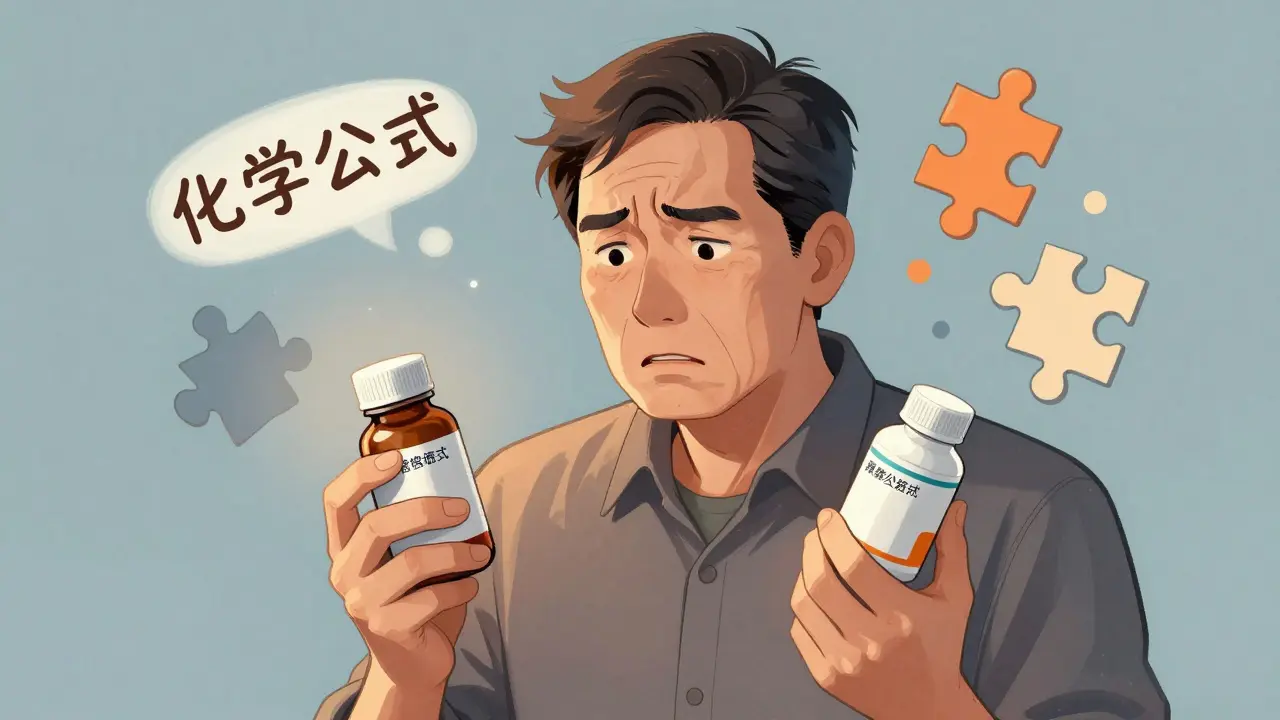
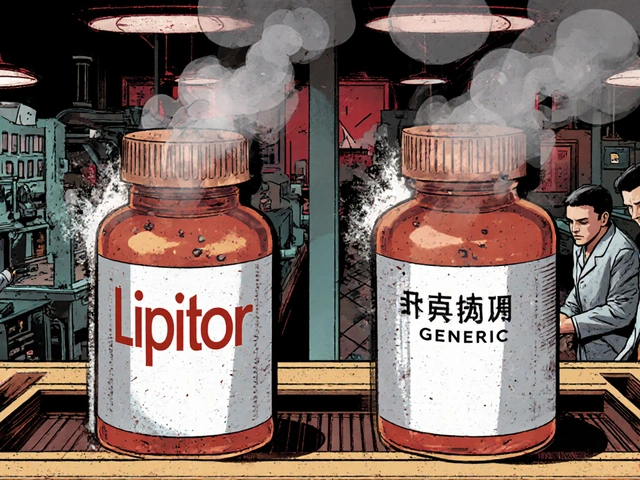
Imagine you've been taking a brand-name medication for years, and your doctor tells you it's time to switch to a generic to save money. You try a few different generic versions, but none of them seem to work quite as well, or maybe they cause side effects the original didn't. It's a frustrating spot to be in. This is where authorized generics is an approved brand-name drug that is marketed without the brand name on its label, remaining chemically identical to the original product come into play. They offer a middle ground: the exact same formula as the brand, but at a generic price point.
Quick Summary of Authorized Generics
- Identity: They are chemically identical to the brand drug, including inactive ingredients.
- Approval: They use the brand's original New Drug Application (NDA) rather than a separate generic application.
- Cost: Generally cheaper than brand-name versions, though sometimes priced differently than traditional generics.
- Availability: Only about 10% of brand drugs have an authorized generic version.
What Exactly Makes an Authorized Generic Different?
To understand these drugs, you first have to understand how regular generics work. A traditional generic must prove it is "bioequivalent" to the brand-meaning it works the same way in the body. However, it doesn't have to have the exact same "fillers" or inactive ingredients. For most people, this doesn't matter. But for some, those small differences can cause reactions or make the drug less effective.
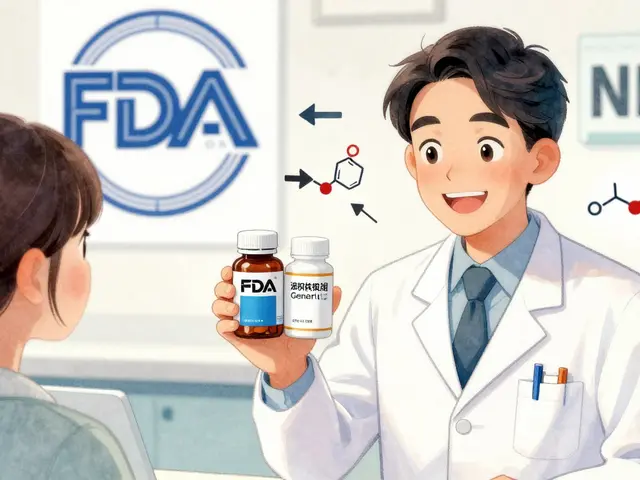
An authorized generic is different because it is the brand-name drug itself, just with a different label. Because they are made using the exact same recipe, they bypass the standard bioequivalence testing required for traditional generics. They don't appear in the Orange Book (the FDA's list of therapeutically equivalent drugs) because they don't need a separate approval process; they are already approved under the brand's original filing.
Which Drugs Offer Authorized Generic Options?
Not every medication has an authorized generic. In fact, they are relatively rare. Most brand companies only release them strategically-often right when their patent expires-to keep a grip on the market share before other generic companies move in.
While the FDA maintains a master list (updated as recently as October 2025), you'll find these options most often in a few specific categories. For example, drugs with a "narrow therapeutic index"-where a tiny change in dose or formulation can be dangerous-are prime candidates for this path. This includes medications like levothyroxine (used for thyroid replacement) and warfarin (a blood thinner).
| Brand Name Drug | Authorized Generic Version | Primary Use |
|---|---|---|
| Colcrys | Colchicine (Prasco Labs) | Gout treatment |
| Concerta | Methylphenidate ER (Watson/Actavis) | ADHD treatment |
| Celebrex | Celecoxib (Greenstone Pharmaceuticals) | Pain management |
| Unithroid | Levothyroxine (Jerome Stevens) | Thyroid therapy |
| Jardiance | Empagliflozin (Boehringer Ingelheim partner) | Type 2 Diabetes |
Authorized vs. Traditional Generics: The Trade-offs
If you're standing at the pharmacy counter, you might wonder why you'd choose one over the other. The biggest reason is consistency. If you've had a bad experience with a generic-perhaps a skin rash or a lack of efficacy-the authorized version is the safest bet because it is the exact same chemical cocktail as the brand you started with.
However, there is a catch regarding price. You might expect authorized generics to be the cheapest option, but that isn't always true. Because the brand company often controls the supply or partners with a specific manufacturer, there is less competition. Some research shows that markets with authorized generics can actually see 15% less price reduction in the first year after a patent expires compared to markets where only traditional generics exist. You're paying for the guarantee of an identical formula.
How to Get an Authorized Generic at Your Pharmacy
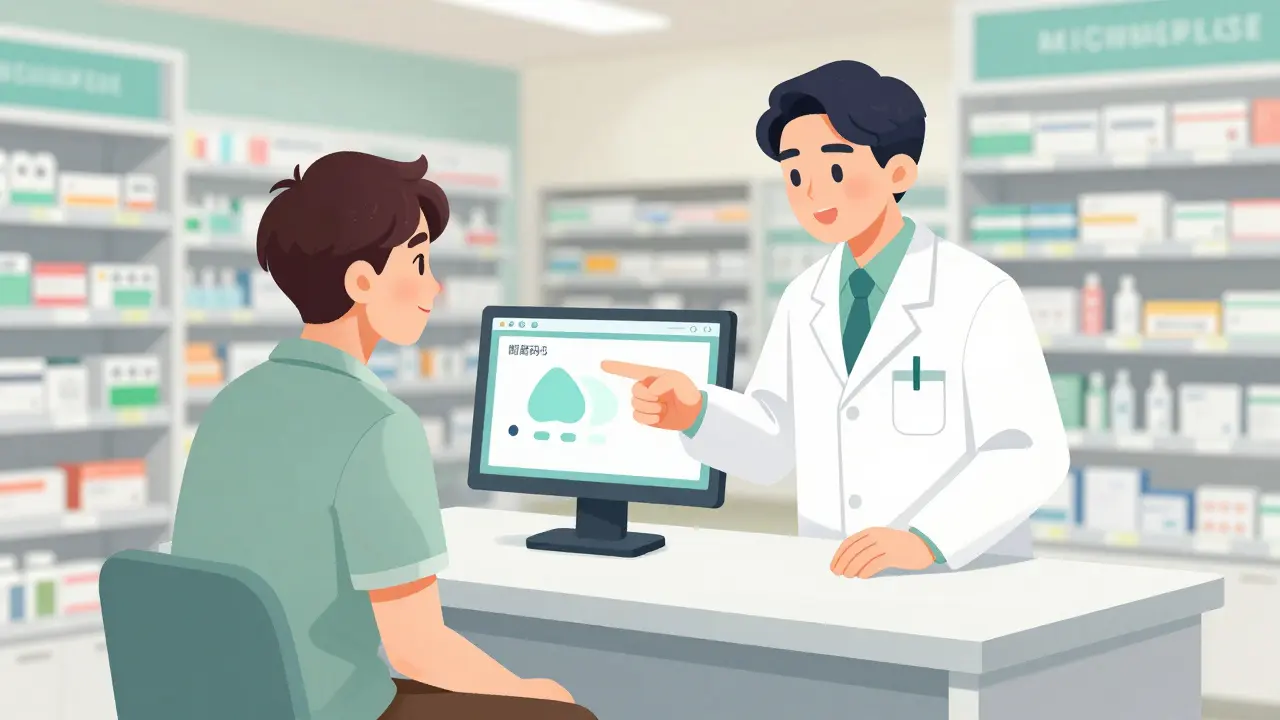
Getting these drugs isn't as simple as asking for "the cheap version." Most pharmacy computer systems list them as the generic name, but they have a specific manufacturer code that identifies them as "authorized."
- Check the FDA List: Look at the latest FDA Listing of Authorized Generic Drugs to see if your medication is available.
- Talk to Your Doctor: If you have a sensitivity to inactive ingredients, ask your doctor to specify "Dispense authorized generic only" on the prescription.
- Verify with the Pharmacist: Ask your pharmacist to check the manufacturer code. If they see a traditional generic, ask if they can order the authorized version from a different supplier.
- Manage Expectations: Be prepared for the pill to look different. The color or shape might vary from the brand-name version, even though the medicine inside is identical.
The Strategic Game Behind the Medicine
Why would a big pharmaceutical company sell a cheaper version of its own drug? It's all about the "180-day exclusivity" window. When the first traditional generic company breaks a patent, they usually get six months of sole generic rights. To fight this, brand companies launch their own authorized generic. This allows them to capture that generic market share immediately rather than handing it over to a competitor.
For the patient, this creates more options. For the healthcare system, it's a double-edged sword. While it provides a safe alternative for sensitive patients, it can slow down the overall price drop that usually happens when multiple generic companies fight for customers.
Are authorized generics safer than traditional generics?
Not necessarily "safer" in terms of toxicity, but they are more "consistent." Because they use the exact same inactive ingredients as the brand, they are a better choice for patients who react poorly to the fillers used in traditional generics.
Why isn't my drug on the authorized generics list?
Only about 10% of brand-name drugs have authorized versions. Companies only create them if it makes strategic sense for them to compete with other generic manufacturers or if the drug is highly sensitive to formulation changes.
Will my insurance cover an authorized generic?
In most cases, yes. Insurance companies generally view authorized generics as generic drugs. However, since pricing can vary, it's always best to check your specific formulary or ask your pharmacist about your copay.
Do I need a new prescription to switch to an authorized generic?
Usually, no. In states that allow generic substitution, a pharmacist can switch a brand prescription to an authorized generic. However, if your doctor wrote "Dispense as Written" (DAW) for the brand, the pharmacist will need a new authorization to switch.
How can I tell if my pill is an authorized generic?
You cannot tell by looking at the pill alone, as they often look different from the brand. The only way to be sure is to check the medication guide that comes with the prescription or ask your pharmacist to confirm the manufacturer code.
Next Steps for Patients and Caregivers
If you are currently taking a brand-name drug and want to lower your costs without risking a change in how the drug works, start by searching the FDA's official listing. If your drug is listed, bring that information to your next appointment. For those using narrow therapeutic index drugs, switching to an authorized generic can be a game-changer for stability and symptom control. If you've already tried a traditional generic and felt it wasn't working, don't give up on the cost-savings-just ask for the authorized version instead.


Actually, the distinction between the bioequivalence of traditional generics and the identical formulation of authorized ones is a crucial point for anyone with chronic sensitivities! 💊 It's all about the excipients and fillers. Just make sure you double-check the NDC code with your pharmacist because the naming conventions can be super confusing 🌟✨
this is such a helpful guide!! honestly just knowing that there is a middle ground between brand name and generic is a total game changer for anyone trying to save money without the stress
One must wonder if this "strategic game" is merely a facade for a more sinister consolidation of pharmaceutical power. It is quite probable that the FDA's master list serves as a curated index designed to steer consumers toward specific corporate entities while maintaining the illusion of choice. The lack of Orange Book visibility is particularly suspicious, if you care to think about it deeply.
Ugh, imagine actually having to call a pharmacist to ask for a code. Like, why is the system so prehistoric? 🙄 I can't even deal with the thought of spending ten minutes on hold just to find out my meds are basically a lottery. So tragic. 💅
it's honestly so wild how different countries handle this and i've noticed that in some places the distinction isn't even a thing because the quality control is just handled differently by the state but here in the states it feels like such a puzzle just to get a pill that doesn't give you a rash which is just such a shame when you're already dealing with being sick and just want something that works without the side effects
who cares about the fillers most people are just fine with standard generics
It's important to respect that some people have genuine medical reactions to fillers. While most do fine, the option to have a consistent formula is a necessary safety measure for a minority of patients.
I've had a great experience switching to authorized generics for my thyroid meds. It really helped stabilize my levels after I struggled with a few different generic brands. Definitely worth the extra effort to ask the pharmacist about it.
OH MY GOD the part about the 180-day exclusivity is absolutely insane!! 😱 They are literally playing with our health just to keep their market share!! I am actually shaking right now just thinking about the greed 🤯
It might be helpful for some to remember that pharmacists are generally very willing to help find these alternatives if you just approach the conversation calmly. They deal with these codes every day and can usually steer you in the right direction without much fuss.